Hammanskraal residents still desperate for drinkable water
We have to pay for water that we only use for the toilet.
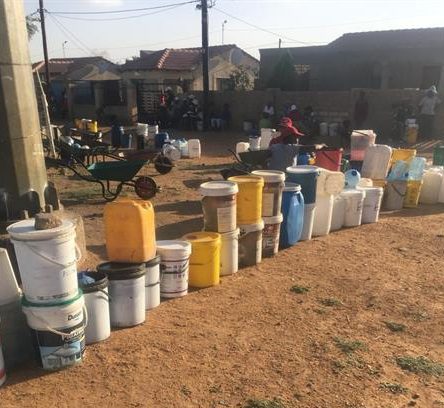
Hammanskraal residents have accused the Tshwane metro of doing little to nothing regarding the water crisis in their area.
However, according to utility services MMC Phillip Nel, the Temba water treatment plant (TWTP) which supplies Hammanskaal was to blame.
“It has been badly affected by the deteriorating water quality in the Leeuwkraal dam. This is as a result of poor-quality effluent being discharged from the Rooiwal waste water treatment plant,” Nel said.
“As a result of this non-compliance of water produced by Temba WTP, the water is used for other domestic purposes and not for drinking purposes.
“Drinking water is supplied to the residents through water tankers.
“The water supplied through these tankers is sourced from the Soshanguve DD reservoir which is serviced by Rand Water as well as Babelegi reservoir which feeds from Magalies Water. The water from Magalies Water and Rand Water complies with the South African drinking water standard,” Nel said.
Nel said the metro had also commenced with phase 1 project to upgrade the Rooiwal waste water works in order to improve the quality of the effluent discharged into Apies river.
He said the summarised scope of the upgrading projects included:
– Inlet works at the Rooiwal north plant.
– The biological reactors mixing and aeration system.
– The anaerobic digester on the Rooiwal east plant.
– The anaerobic digesters on the Rooiwal west plant.
– The top sludge dewatering facility.
– The Rooiwal north plant flow balancing tank control systems.
Nel said that the overall construction work was now at 34% and the completion date was projected in early August.
In 2019, residents in the area complained to the Human Right Commission (HRC) about potable water quality in the area which had resulted in the department of water and sanitation, HRC and the Tshwane metro testing the water to establish if it was fit for human consumption.
Some residents had complained about the taste, colour, odour and having diarrhoea and stomach cramps after drinking the water.
CSIR senior researcher and water scientist Wouter le Roux said 144 samples were tested.
“All we can say is that there are certain illnesses associated with drinking that water.
“We did advocate using something like bleach for water chlorination to at least kill the germs in the water,” he said.
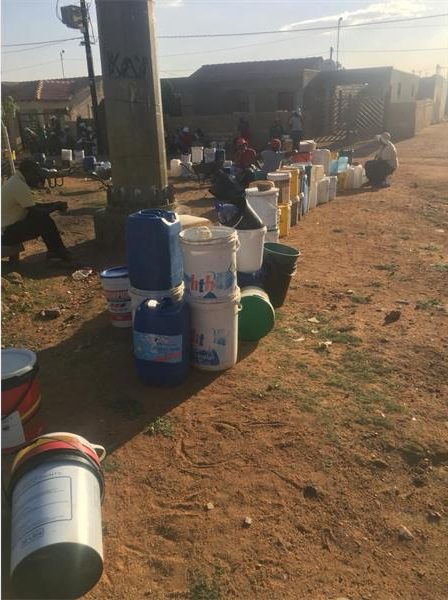
One resident, who refused to be named for the fear of being victimised, said it was “very frustrating having water in the tap but not being able to drink that water”.
“We have water in our taps but we cannot drink. If you drink the water you will have a running stomach and sometimes people have had to be admitted to hospital. We have been in this situation for more than three years.”
The resident said despite them not being able to drink or use the water from their taps, they were still expected to pay for water bills monthly.
“We have to pay for water that we only use for the toilet. I am one of the people who have resorted to not paying the bill when it comes every month.
“I have to buy water to drink, water to cook and bath,” she said.
“Our situation here in Kekana is hopeless. Striking does not get us anywhere because we are just people on the ground and there’s nothing we can do to change our situation.”
Another resident, also requesting to remain anonymous, said the trucks that are meant to deliver clean drinkable water sometimes took up to three days. When they finally do arrive, residents have to fight for the water.
“Sometimes you do not even get the water. The funny thing is they deliver the water during the week, and some households are at work, which means then you will not get water. We have decided to buy JoJo tanks and then buy the water from the water trucks.
“To fill the tanks cost R100, if you do not have a JoJo tank and you are employed then you have a big problem. The reason we even ended up buying the tanks was that we are not home when they deliver the water.
“These people do not want to fix the water problem in this area because these trucks are also under a tender. The water issue has just died out and no one is talking about it.”
Do you have more information about the story?
Please send us an email to editorial@rekord.co.za or phone us on 083 625 4114.
For free breaking and community news, visit Rekord’s websites: Rekord East
For more news and interesting articles, like Rekord on Facebook, follow us on Twitter or Instagram