Family sues hospital for negligence over ‘bed sore’
“We had to get a nurse from another private hospital to assist us in communicating with Steve Biko and that’s when we were told that my mother was sleeping like a baby.”
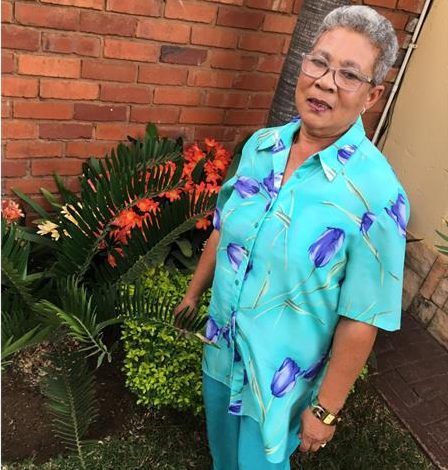
The family of an Eersterust woman has taken legal action against Steve Biko academic hospital after their mother was left with an alleged rotting bedsore on her backside, said to be more than 5cm wide.
A daughter of 66-year-old Charmaine Slimmert claimed that her mother had suffered negligence at the hospital.
Their ordeal started on 17 January, after Violene Anderson said her mother was not feeling well.
“We took her to the clinic and had some X-rays done and was then referred to Steve Biko where she as admitted on January 19, and was left in the hospital’s care for almost a month.
“At the time, we were informed that my mom had a very rare spinal stroke and was receiving treatment for it as the hospital was running a series of MRI and CT scans.”
Anderson said a week before the hospital contacted them over her mom’s condition, she had been complaining about persistent pain.
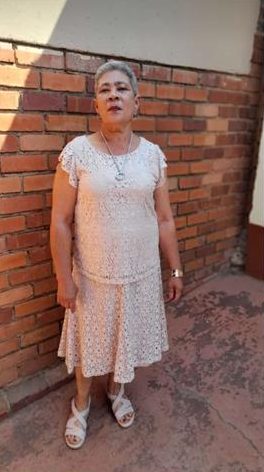
“When we spoke to her on her cellphone a week before she was discharged, she complained about excruciating pain.
“I tried to call the hospital over the issue, however, there was no answer.”
Anderson said it was frustrating that due to Covid-19 regulations, she was not allowed to see her mother.
She said to get assistance from the hospital, she had to contact another facility.
“We had to get a nurse from another private hospital to assist us in communicating with Steve Biko and that’s when we were told that my mother was sleeping like a baby.
“According to the nurses, my mother was not complaining about any pain,” she said.
“On 17 February, we were told that she would be discharged, however, this could only happen if we learnt how to clean a wound.”
Anderson said the family was shaken by this because they did not know which wound the hospital was referring to, as her mother had not undergone any operation, nor was she treated for any wound.
“The nurse told us that my mother had developed a bedsore, so I went to the hospital. When they showed me the bedsore, I nearly fainted.”
Anderson said the hospital said that the bedsore was 5cm big, but she believed it was bigger than that.
“I took her home in pain as the hospital told us that it could not take care of my mom’s wound and that we need to take her home and care for her.”
She said she received medication for her mom’s wound.
“My mother’s health deteriorated by the day when she was home. She was not eating, drinking and her stomach was running.”
She said she turned for alternative guidance on the matter after her mother was home for about five days.
“I was afraid that I might end up with a corpse at home.”
She said on 22 February, her mother was readmitted after her condition became worse.
Anderson said she was afraid now that her mother was back at Steve Biko hospital.
“The doctors are never available and the nurses are often rude. I’m very worried about her well-being since her drip was removed on 23 February, after her readmission.”
Anderson said the hospital had been served court papers over the alleged negligence.
Steve Biko academic hospital CEO Dr Mathabo Mathebula said the patient was treated for the stroke, bedsore and discharged when both had stabilised.
“Bedsores become chronic and are treated on an outpatient basis if they are not septic,” said Mathebula.
She said normally bedsores developed naturally when a part of the body is under pressure.
“If a patient has a stroke and they are unable to move parts of their body freely, a pressure sore develops due to the lack of circulation.”
She said it was not common for patients to develop these sores at Steve Biko hospital as they were frequently turned and some patients were nursed in special beds with mattresses designed to relieve the pressure.
“With all the precautions taken, some patients still develop bedsores for various reasons such as nutrition and age.
“Mathebula said the hospital would admit if there was negligence, but “cannot be held accountable for natural complications of certain disease processes”.
Mathebula said that doctors communicated with family members as often as possible and sometimes daily.
“With the advent of Covid-19, this communication has suffered due to having to avoid infecting both patients and their families.
“Visiting has been limited, but families are informed of the patient’s condition telephonically. In some cases, limited visits are permitted.”
She said Steve Biko did not condone negligence, but in cases where there were natural complications resulting from a disease, they would assist a patient to the best of the hospital’s ability.
“Should there be negligence, we will take the steps to address it and prevent it from recurring. So far, we have not had any litigation over negligence since the Covid-19 pandemic started.”
Do you have more information about the story?
Please send us an email to editorial@rekord.co.za or phone us on 083 625 4114.
For free breaking and community news, visit Rekord’s websites: Rekord East
For more news and interesting articles, like Rekord on Facebook, follow us on Twitter or Instagram