Each one teaches one, a call for social cohesion to beat Covid-19
Tshwane metro functional head of clinical HIV and non-communicable diseases Dr Olga Mashia shares her journey have worked in medical sector for 33 years.
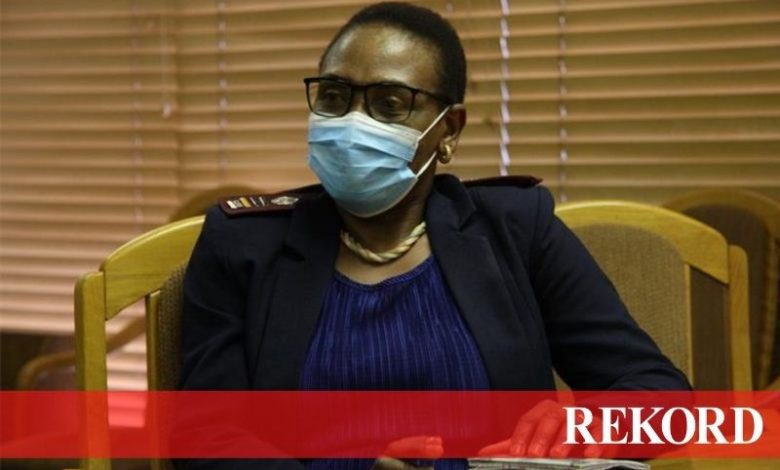
The hardest challenge in the fight against Covid-19 were people in denial about the virus.
This was according to Tshwane metro functional head of clinical HIV and non-communicable diseases Dr Olga Mashia.
Mashia holds a doctorate in nursing and has worked in the medical field for more than 33 years.
“The Covid-19 outbreak required all of us to get our hands dirty so to speak, and work very hard to inform and educate our communities.”
Although education on Covid-19 met some resistance, Mashia said she did not stop trying to educate communities.
“I got a loudspeaker and drove around hotspot areas in the region teaching about Covid-19 and how people can protect themselves.”
Mashia said she did not end there.
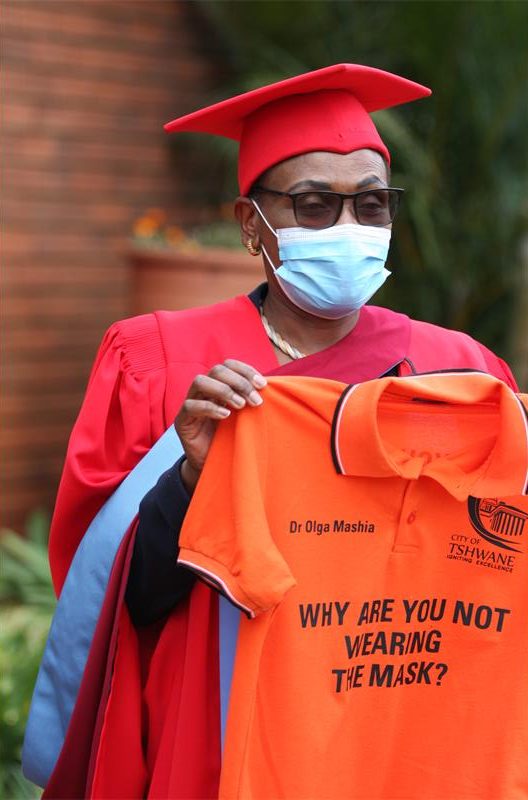
“I printed T-shirts saying ‘Why are you not wearing your mask?’ to try and get the message across.”
She said that all of the efforts combined played a role in guiding residents through challenging times.
Mashia said she and her team had the responsibility of teaching taxi rank marshals, church leaders and mall managers on Covid-19 safety measures.
“Through this, we saw the importance of social cohesion in the fight against the virus. We needed everyone to take part and assist in educating our communities,” she said.
“We were also called to region 7 to educate traditional leaders about Covid-19 which also would go a long way in ensuring people’s safety.”
Mashia said adhering to safety regulations was more important leading to the Easter season and the winter season, which last year saw a peak in infections.
“I urge our communities to not drop the ball now. The risks of letting our guard down can be deadly for those vulnerable. If you can avoid gatherings, please do so to protect yourself and others.”
The 56-year-old has worked in different departments from the national health department, the United States Agency for international development and now Tshwane, where she said she was back at the district level to serve her community.
“I came back to the district level to serve communities, having worked on a national and international health level I had one goal to to merge the gap between communities and health resources.”
Mashia grew up in the rural Wallmansthal community under poverty-stricken conditions.
“Before moving to Soshanguve township in 1975, in Wallmansthal we would only see a car only once in two months. It was a rural community that did not have much.”
The firstborn of 11 children, said her resilience for teaching started from caring about others.
“When I enrolled for my first degree at Sefako Makgatho Health Sciences University in 1983, I received a bursary and I was then able to contribute financially at home and for the education of my siblings.
“Perseverance, faith, care and hard work made me never lose hope in trying to ensure the health of others is provided for.”
The mother of two said she experienced trying times in her long-standing career, particularly when working towards her doctorate in 2013.
“When you do your PhD you have to be psychologically, mentally and spiritually ready. As a mom and working, it took a lot for me to complete it. I had to leave my job at an international company. But luckily, after that, and through prayer, another door opened for me.”
She urged nurses working in the health sector to treat others with care and patience under the trying times.
Do you have more information about the story?
Please send us an email to editorial@rekord.co.za or phone us on 083 625 4114.
For free breaking and community news, visit Rekord’s websites: Rekord East
For more news and interesting articles, like Rekord on Facebook, follow us on Twitter or Instagram