New coin in commemoration of oldest central bank in Africa
The Bank has been operating in the Pretoria CBD for approximately 90 years, with the banks first premises stationed at Church Street in 1931.
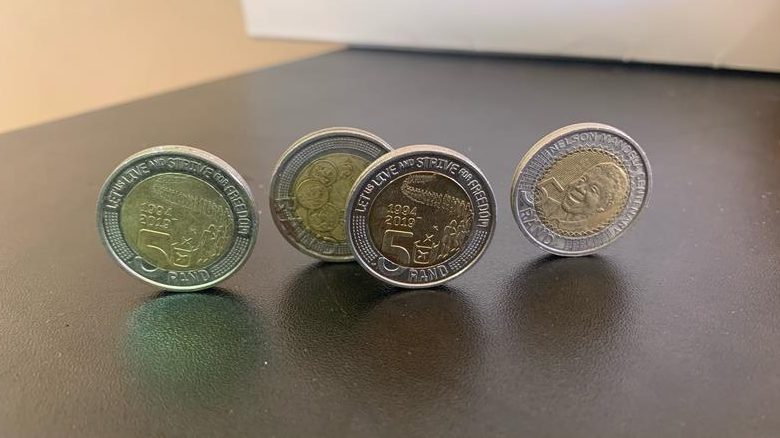
The oldest central bank in Africa has celebrated the opening of its doors 100 years ago through a newly launched commemorative R5 coin.
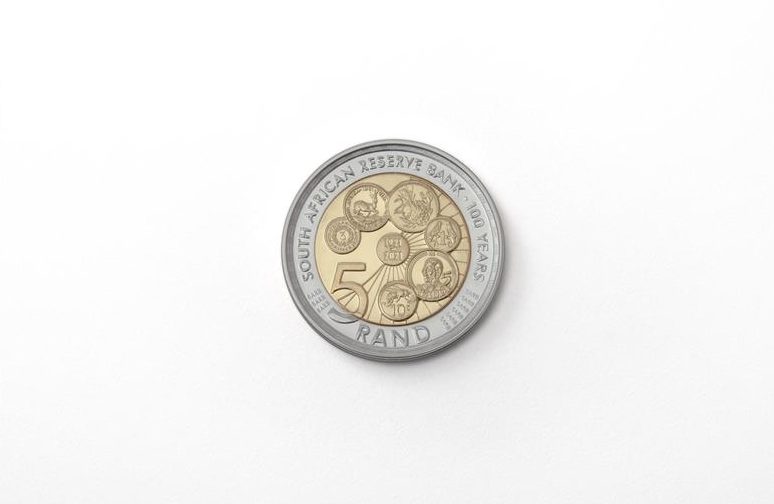
The South African Reserve Bank (SARB) has celebrated its centenary on Wednesday through the coin that depicts the design of previously issued coins.
The SARB is introducing a commemorative circulation R5 coin to mark its 100 years of existence. The imagery of the centenary coin depicts significant moments in history and similarly points to what the future holds for currency and the SARB. #SARB100 #CommemorateAndCirculate pic.twitter.com/oKRS3P3fqX
— SA Reserve Bank (@SAReserveBank) June 30, 2021
“The commemorative R5 coin will circulate alongside the existing coins in circulation,” said SARB spokesperson Ziyanda Mtshali.
Its value will be the same as the existing R5 coin.
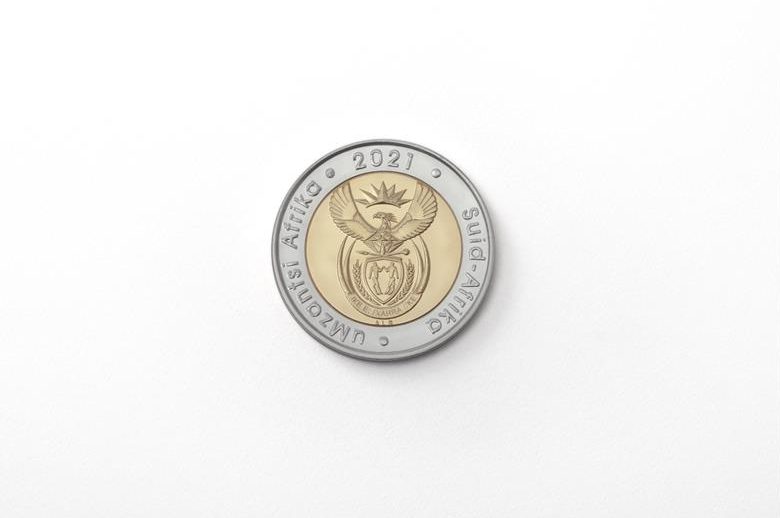
Mtshali said the existing R5 coin in circulation would remain a legal tender and the bank would continue issuing it.
She said the new coin design featured a collection of coins representing a specific time in the history of coin issuance by the SARB in the past 100 years.
#CountdownToSARB100 #KnowTheSARB #KnowYourRand pic.twitter.com/JHLJtYFVek
— SA Reserve Bank (@SAReserveBank) June 13, 2021
She said the design representations of the coin were as follows:
– 1923: Three Pence (tickey) which represents the Union of South Africa period.
– 1961: R1 gold coin (Springbok), this coin represents the introduction of the ‘rand’ as South Africa’s official currency.
– 1965: 20c (King Protea), the coin depicts South Africa’s national flower.
– 1990: 1c (two sparrows), the coin portrays two sparrows featured on South Africa’s smallest coins (1/4d, 1/2c, and 1c) between 1923 and 2002.
– 2008: R5 (Nelson Mandela), the coin, celebrated the 90th birthday of the former president of South Africa.
– Future: 10c coin (Cape honey bee), representing the future of the South African currency
The SARB was established in 1921 in terms of a special act of parliament, the currency and banking act.
In July 1931, the SARB moved to its new home, the current National Treasury offices in Church Street (Helen Joseph Street).
The offices were designed by Sir Herbert Baker, a famed architect of the era, who drew inspiration from designs of the Federal Reserve Bank of New York and the Bank of England building in London.
The SARB, however, moved to its current head office in Helen Joseph Street, in 1987.
The building has 33 floors and houses 1 200 advisors.
History of the South African coins and bank notes:
– The SARB issued its first banknotes, the South African pound, to the public on April 19, 1922.
– On October 3, 1923, the Royal Mint Pretoria was established when Prince Arthur of Connaught, the grandson of Queen Victoria and Prince Albert, and Governor-General of the Union of South Africa, stroke the first gold pound.
– February 14, 1961 marked the introduction of the rand, bearing the face of Jan van Riebeeck. At the time, only the R1, R2, R10 and R20 denominations were issued.
– In 1965, the 5c coin began its reign as the longest-serving coin in circulation.
– In 1978, the R50 note was introduced
– In the late 90s, several coins were introduced into circulation, the 1c, 2c and 10c coins in 1990; the 50c and R1 coins in 1991; and the R5 coin in 1994.
– In 1989 the R2 coin was introduced into circulation.
– On June 18, 1992, the SARB launched the ‘Big Five’ banknote series.
– From 1994, South African banknotes started featuring English and the other official languages.
– The SARB will have the sole right to make, issue and destroy banknotes and coins.
The SARB has launched its newly refreshed mobile currency app with enhanced functionalities to improve public awareness on the role of the SARB and understanding banknotes and coin. Download the refreshed app here:
Android: https://t.co/KJFUgblRfm
iOS: https://t.co/Li9mq2JIMG pic.twitter.com/gKmAj252NB— SA Reserve Bank (@SAReserveBank) June 29, 2021
Do you have more information about the story?
Please send us an email to editorial@rekord.co.za or phone us on 083 625 4114.
For free breaking and community news, visit Rekord’s websites: Rekord East
For more news and interesting articles, like Rekord on Facebook, follow us on Twitter or Instagram