Tshwane targets higher revenue collection
The metro has recently cut its debt by less than R2.5-billion. This was done by cutting costs such as restricting unnecessary spending, and adding stricter controls on overtime.
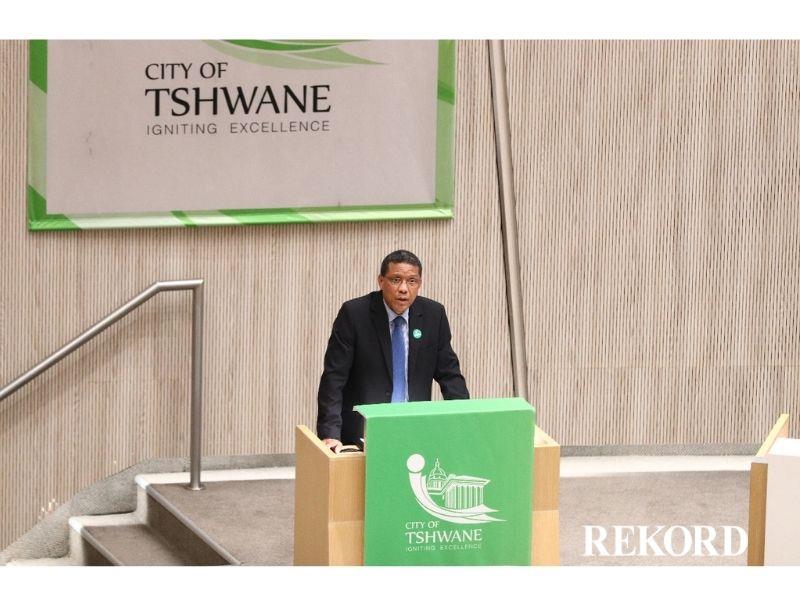
Tshwane is to intensify drives to collect debt, reduce property and rental accommodation costs, and dispose of non-core assets in this financial year.
This would be in a bid to stabilise the financial standing of the metro, mayor Randall Williams said.
The metro has recently cut its debt by less than R2.5-billion, according to Williams.
Williams said this was possible by measures such as restricting unnecessary spending and stricter controls on overtime.
However, he was unable to provide a breakdown of figures as the metro was still finalising its annual financial statements for 2020/21.
“I am pleased to note that as of the end of June 2021, in reviewing our financial performance we had reduced the deficit on the operating account by R3.4-billion. The city is now only facing a deficit of R934-million which we intend to eradicate in the coming financial year that started on 1 July 2021.”
Williams said to intensify revenue collection, the metro would ensure strict control over supply chain processes, strict management of overtime, reduce property and rental accommodation costs and dispose of non-core assets.
“The value of these interventions will become more apparent during the financial year. It will also differ between departments/functions depending on their core business but we are hoping to ensure we enhance revenue collections,” said Williams.
He said the metro would be gunning for businesses and residents who had run up unpaid bills and had not made arrangements to address the debt.
He said this would be done through debt collection agencies and electricity cut-offs.
Williams blamed the rise on debt on the former metro administrators. “They suspended all credit control, resulting in residents and businesses delaying on payments or not paying at all.
“We have significantly increased revenue collection rates and each month, we target 90% in terms of revenue billed. During the term of the administrators, revenue had dropped to 75% in some months.”
He said positive results could be seen through prioritising core basic service delivery such as streetlights and potholes.
“We have not ceased projects. We only made sure we focused the budget on the finalisation of existing projects without adding new projects that would cause financial strain on the budget.
“The aim was to ensure that departments channelled funds towards concluding existing projects.
“The metro would continue to look for avenues to increase revenue and better manage costs.”
Do you have more information about the story?
Please send us an email to editorial@rekord.co.za or phone us on 083 625 4114.
For free breaking and community news, visit Rekord’s websites: Rekord East
For more news and interesting articles, like Rekord on Facebook, follow us on Twitter or Instagram