‘Overcrowded and late,’ commuters complain as Tshwane bus services face fuel problems
More buses (160) are needed for daily operations, but only 135 out of 250 buses are used to transport commuters.
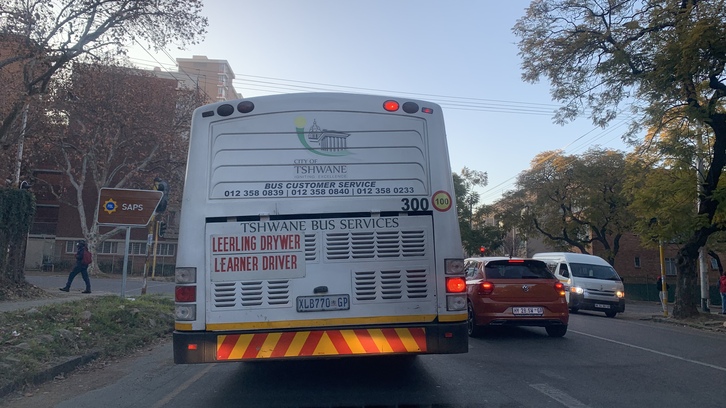
Tshwane commuters say they had noted a marked deterioration in Tshwane Bus Service (TBS) as they recently had to cope with everything from overcrowded buses to buses running late.
That is, if they showed up at all.
“In the morning, buses are delayed while others do not pitch up at scheduled times,” said commuter Bongani Vilakazi.
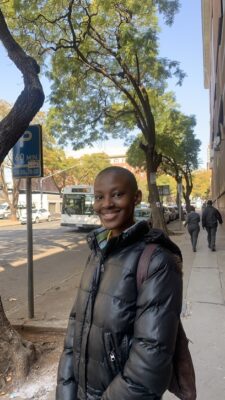
Vilakazi was waiting for his bus on Bosman Street in the Pretoria CBD when he spoke to Record.
“In the afternoon, commuters sometimes have to wait more than four hours for buses – that’s before even beginning their travels from the CBD.
Watch: https://www.youtube.com/shorts/f2V18nB9QWw
“Tshwane needs to do a better job. Around 13:00 to 16:00 (Wonderboom) buses are unavailable.”
Vilakazi said that there was also an issue with capacity in the mornings.
“Capacity has become a challenge; however, people do not mind standing because they are eager to get home or to work.”
He said the poor service delivery and lack of communication were taking a toll on his financial budget.
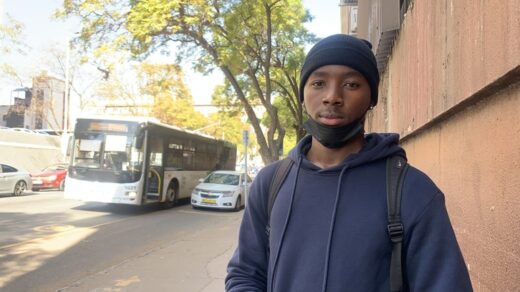
“At times, I find myself spending extra money for a taxi, while I have also spent money on the connector card, using points.”
A metro official, who wished to remain anonymous, said she started using the TBS because of the recent rising fuel prices.
“But on Monday the 05:50 Pretoria North bus didn’t show up and I was thus late for work.”
She said this forced her to wake up earlier the next day and board the 05:25 bus.
She said with the current fleet shortage, she wondered whether the metro would have enough fuel and buses to cope when the schools reopened.
“When the schools reopen and the demand increases, will we not face overcrowding which poses a Covid-19 threat?”
Commuter Bophelo Mphelo said a lack of communication from the metro on their transport service was a problem.
“The wait-time for buses is rather very lengthy,” Mphelo said.
She said the waiting time during peak hours was “unbearable”.
Mphelo said the metro should add more buses to their morning schedules as the limited few were often over capacity.
Commuter Mlungisi Mahlangu said strikes also affected bus services.
“According to the drivers, there is also a diesel shortage.”
Also read: Metro’s payment arrears threatens A Re Yeng bus service, says CEO
He said residential areas were growing in population and that TBS needed to increase its fleet to keep up with demand.
Joshua Montsi, a senior executive support specialist at the metro’s road and transport department, blamed TBS problems on a lack of buses.
“The service does not have a stable fleet capacity as some buses are undergoing general repairs and maintenance due to normal wear and tear, while some were in the process of getting their roadworthiness compliances.”
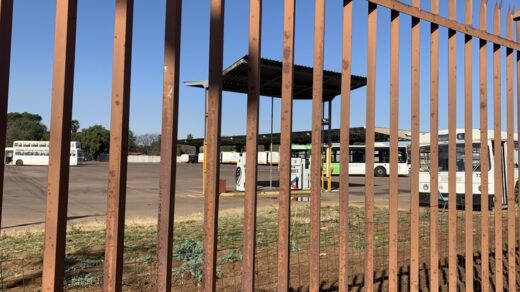
He said 160 buses were needed for daily operations, but only 135 out of 250 buses were used to transport commuters.
Montsi said this was as 70 buses were booked in workshops for minor repairs and 45 required major repairs.
“We need an additional 500 buses to cover all of Tshwane’s seven regions. The current fleet can only cover a fraction of Tshwane.”
As the metro had a remaining budget of above R17-million for the 2021/22 financial year, Montsi said R12-million was granted for repairs, maintenance and renewals of permits for the financial year.
“The R12-million available is enough for the remaining period,” said Montsi.
“Our buses are ageing, which results in frequent services and repairs as compared to the new buses.”
In June, A Re Yeng bus services had to suspend its services for almost a week because of fuel shortages.
Service provider Tshwane Rapid Transport (TRT) said they had to halt their services because the metro owed them five months’ worth of services amounting to R132-million.
“This is not the first time that Tshwane has failed to make payments to us as per the Bus Operating Company (BOCA) agreement,” said TRT CEO Sam Matebane.
According to him, this has become “a recurring pattern”.
He said TRT anticipated further service stoppages as a result of the temporary “non-sustainable” fuel arrangement.
“The temporary solution is that TRT fills its diesel from the metro’s filling stations until the matter is resolved. The issue is not sustainable because there are different usage regimes and there have been times where their fuel pumps ran dry.”
Tshwane mayoral spokesperson Sipho Stuurman said the metro would currently not be commenting on the TRT matter.
Do you have more information about the story?
Please send us an email to editorial@rekord.co.za or phone us on 083 625 4114.
For free breaking and community news, visit Rekord’s websites: Rekord East
For more news and interesting articles, like Rekord on Facebook, follow us on Twitter or Instagram