Lesotho water project enabling more water to city kicks off soon
“Tshwane is the largest city in the province in terms of geographical size and has a significant manufacturing sector, which both drive water consumption.”
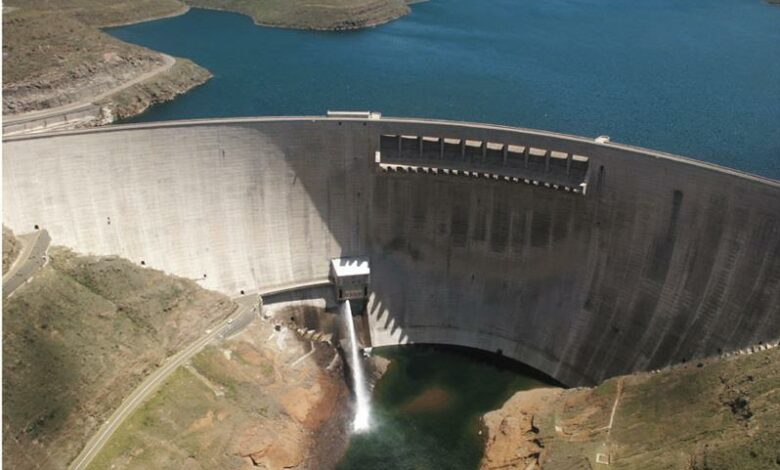
After being delayed for several years, full-scale construction work for the Lesotho Highlands Phase 2 project will commence this year.
This was announced by President Cyril Ramaphosa at his state of the nation address on Thursday.
Phase 2 launched in November 2020.

The water, delivered and transferred via the Highlands project, will service the Vaal River System.
It will ensure water availability for domestic consumption, irrigation, industries and mining via Rand Water, Midvaal Water, Sedibeng Water, Eskom and Sasol and other customers.
Rand Water supplies water in Johannesburg, Tshwane, Ekurhuleni and Emfuleni. Thus, the project is of critical importance to Tshwane.
Tshwane mayor Randall Williams had announced a need for more water capacity in the metro, to better manage water demand and consumption.
He cited that water was in high demand in the metro.
“Out of the three metros in Gauteng, Tshwane receives the least amount of bulk water, a matter which we intend to interrogate further particularly. Tshwane is the largest city in the province in terms of geographical size and has a significant manufacturing sector, which both drive water consumption.”
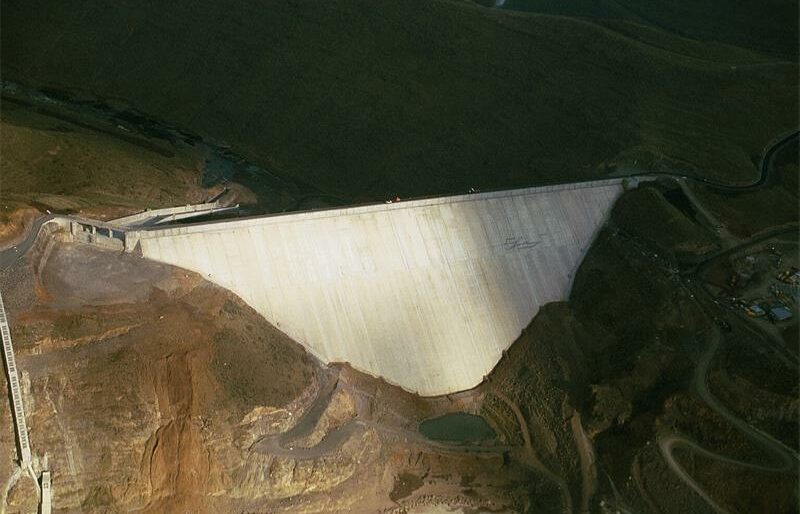
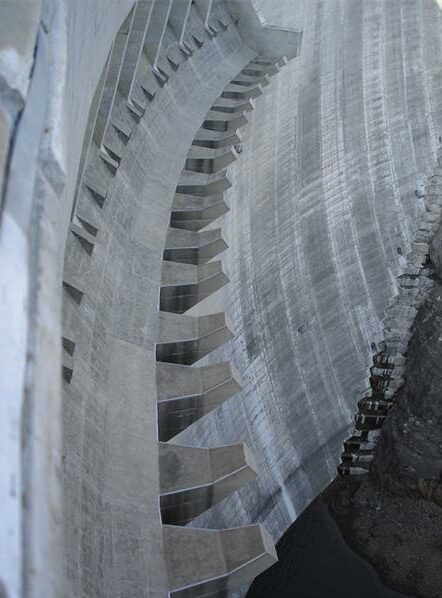
The project will specifically aim to increase the transfer of water from Lesotho to South Africa from the current 780 million m3/year to 1260 million m3/year and to provide an opportunity to generate additional hydroelectric power in Lesotho.
Ramaphosa said, “the reliable supply of water is essential for the well-being of people and the growth of our economy”.
“The Lesotho Highlands project is critical for ensuring the security of water supply to Gauteng, Free State, Mpumalanga, North West and Northern Cape.”
He said the project would ensure water security into the future as the Department of Water and Sanitation (DWS) was leading the process of investing in major infrastructure projects across the country.
This follows the DWS welcoming the project after the Lesotho Highlands Development Authority (LHDA) in November 2022, announced that the Polihali Dam and Polihali Transfer Tunnel construction contracts had been awarded.
“The Department of Water and Sanitation welcomes the awarding of major contracts that will kick-start Phase 2 of the Lesotho Highlands Water Project (LHWP),” said spokesperson Sputnik Ratau.
“This step is a key milestone in Phase 2 of the project as it signalled the start of the final lap of the water transfer infrastructure construction,” said Ratau.
He said the project was expected to be commissioned in 2028.
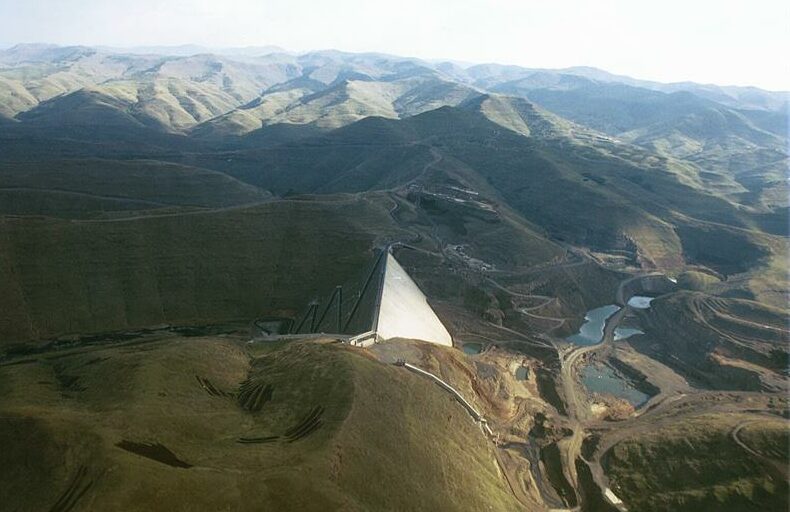
“The Polihali dam will be a concrete-faced rockfill dam, which will create a reservoir on the Senqu and Khubelu rivers. The infrastructure also includes a spillway, a compensation outlet structure and a mini-hydropower station.
“The Polihali transfer tunnel will transfer water by gravity from the Polihali reservoir to the Katse reservoir, the centrepiece of the LHWP.
“From Katse, water will move through various places including the Ash River outfall outside Clarens in the Free State on its way to Gauteng.”
Ratau said the project would see an increase in the annual water supply rate, meeting South Africa’s rising water needs.
He said the additional flow of water from Polihali would simultaneously increase power generation within Lesotho.
“The awarding of the contracts to start with phase 2 comes at an opportune time when the department is getting all its ducks in a row to ensure adequate infrastructure that will meet the current and future water demand.
“The increasing population, coupled with rapid urbanisation, continuing economic activity, and impact of climate change, put a strain on the water infrastructure, therefore, the sooner we complete phase 2 of the project, the better,” Ratau said.
“This will go a long way in mitigating water shortages and water security will be realised,” he said.

Ratau also said job opportunities would be afforded through the contract appointments.
“The contracts are estimated to generate approximately 5 000 job opportunities continuously for three years, in both Lesotho and South Africa.
“To date, the advanced infrastructure programme has generated more than 4 000 jobs,” he said.
The Development Bank of Southern Africa (DBSA) group executive Zodwa Mbele said the Trans-Caledon Tunnel Authority (TCTA) and the DBSA concluded two loan facility agreements totalling R5.5-billion and spanning 20 years, for the implementation of Phase 2 of the project.
“The investment comprises R3-billion and R2.5-billion loans and was negotiated alongside other facility agreements with the five major banks in South Africa for a total of over R15-billion.”
Do you have more information about the story?
Please send us an email to editorial@rekord.co.za or phone us on 083 625 4114.
For free breaking and community news, visit Rekord’s websites: Rekord East
For more news and interesting articles, like Rekord on Facebook, follow us on Twitter or Instagram