Metro: Residents disregard Day Zero risks
To find a solution to the lack of water security is at the top of one of the metro’s priorities, but they will not close municipal swimming pools as previously announced.
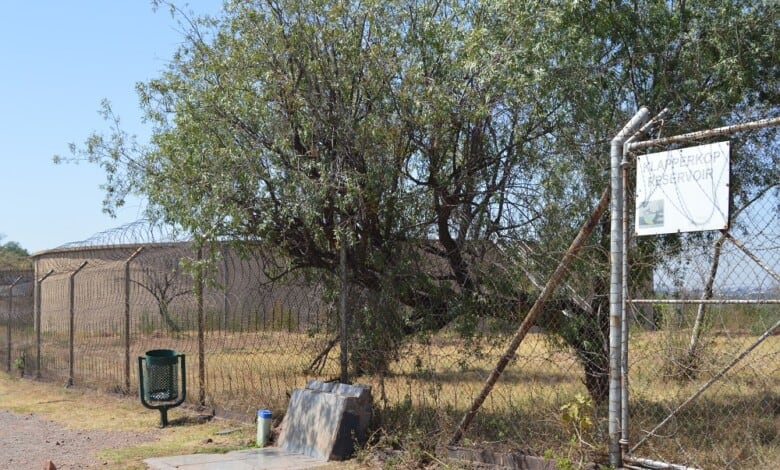
Even though Tshwane is seriously heeding Rand Water’s warning of a looming Day Zero water crisis in the capital city and Gauteng, it has reversed its October 24 instruction for municipal pool managers to close them down.
Spokesperson Selby Bokaba told Rekord that municipal pools will however have to operate under strict conditions – one of which is that they will not be topped up.
“We had to take into consideration that a lot of the municipal pools have been reserved for functions and galas and payments have already been made,” said Bokaba. “Another condition is that the pools will have to be properly managed.”
Tshwane COO Vuyo Zitumane recently sent an internal memo to announce that Level 1 water restrictions go hand in hand with other water conservation campaigns.
To this end, the metro has warned that all legal loopholes are at present being closed to make sure residents can be harshly penalised for irresponsible water usage.
Bokaba said municipal managers are having “sleepless nights” about the way residents are disregarding calls and pleas to save water.
“We are drawing 18% more water from Rand Water than we are licensed to and still the reservoir levels are drastically dropping because of the flouting of calls by residents to use water sparingly. The situation is becoming intolerable. But we are on track and getting feedback at present on how we can use municipal courts and the metro police to implement harsh punitive measures,” said Bokaba.
He said the city was reiterating its plea to all customers to radically reduce their water usage as the levels at some reservoirs and towers had dropped alarmingly.
Tshwane water licence permits it to draw 662 million litres a day from Rand Water but is in fact drawing 800 million – about 18% more than is allowed.
The city has so far identified some of the highest-consuming reservoirs and one pump station.
Bokaba said consumers who are supplied by these reservoirs and the pump station are the main contributors to the overall high water usage within Tshwane.
Mooikloof Ridge Pumping Station, which is directly supplied by the Rand Water system, is currently experiencing an extremely high demand, which has left the high-lying areas with low pressure.
Other reservoirs that are under strain include Mabopane, Atteridgeville, Hammanskraal, Soshanguve, Mooikloof, Akasia, Constantia and Lotus.
Makenosi Maroo spokesperson for Rand Water told Rekord that currently, people are using more water for various purposes such as filling up swimming pools, washing cars, watering lawns, and washing driveways with hosepipes. As a result, the entire water supply storage levels decline.
She said at present there is no need for Rand Water to draw water from the Sterkfontein Dam as the Vaal River System has enough.
“Rand Water is closely monitoring water levels and will continue to engage its municipal customers to find common ground on high water consumption.
In case of the low water levels in the Vaal Dam, the Department of Water and Sanitation will decide on measures that need to be implemented to replenish it,” she said.
She said the closure of the Lesotho tunnel for maintenance will not result in any disruption to the Vaal Dam’s water supply and will not negatively affect the normal Rand Water supply to its municipal customers.
The six-month maintenance shutdown of the feed from the Lesotho Highlands Water Project began on October 1.
She said Rand Water continues to monitor weather predictions by the South African Weather Service, including seasonal rainfall forecasts.
“Currently, the Vaal Dam has sufficient water resources to sustain normal supply to Rand Water’s municipal customers,” said Maroo.
The Department of Water and Sanitation’s latest report on the dam levels (dated October 28) revealed a significant drop in the Vaal Dam’s level.
In a report dated October 23, the dam had 36.2% of its capacity of 2.5 billion cubic metres but this had declined to 35.4% on October 28.
Do you have more information about the story?
Please send us an email to bennittb@rekord.co.za or phone us on 083 625 4114.
For free breaking and community news, visit Rekord’s websites: Rekord East
For more news and interesting articles, like Rekord on Facebook, follow us on Twitter or Instagram