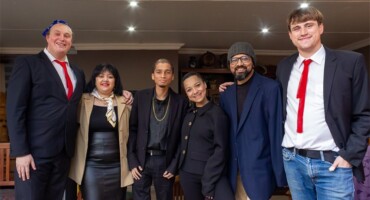
Exhibition of wildlife photos showcase creativity of persons with disabilities
An exhibition in Pretoria east of wildlife photographs produced by children from communities near the Kruger National Park highlighted the importance of everyone having the opportunity to enjoy South Africa’s rich biodiversity.
The International Day of Persons with Disabilities was marked on December 3 at the British High Commission in Pretoria with an exhibition of photography highlighting the critical importance of empowering persons with disabilities.
The theme for this year is empowering through skills while celebrating rich biodiversity.
An exhibition of wildlife photographs produced by four boys and four girls highlighted the importance of everyone having the opportunity to enjoy South Africa’s rich biodiversity, which is under serious threat from the illegal wildlife trade and climate change.
The event demonstrated how training and exposure can support persons with disabilities to develop new skills which can give them access to career paths and help them generate an income.
Learners from Tsakane Special School near Bushbuckridge in Mpumalanga shared their experiences of being empowered through wildlife photography training.
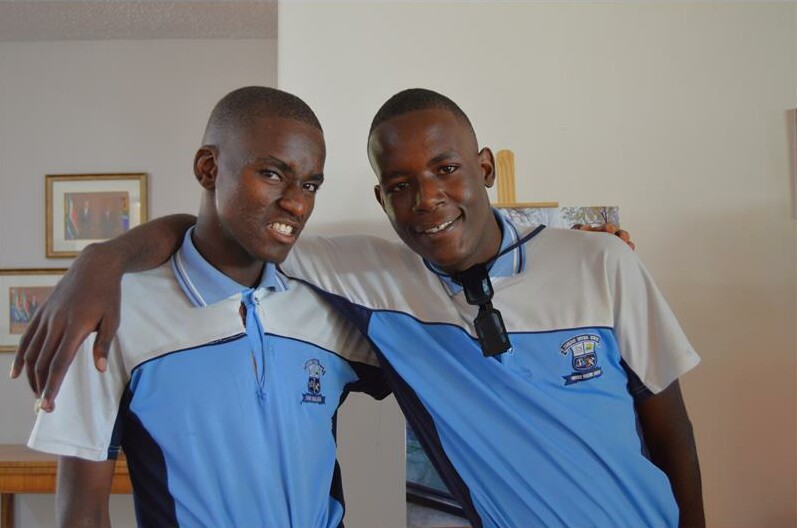
Tsakane Special School is located in Acornhoek, which is in the settlement of Bushbuckridge, Mpumalanga.
The school caters for learners with a range of disabilities, from Cerebral Palsy and Autism to Down syndrome, specific learning and intellectual disabilities. The school admits learners from ages six to 14 years and provides education until the age of 18.
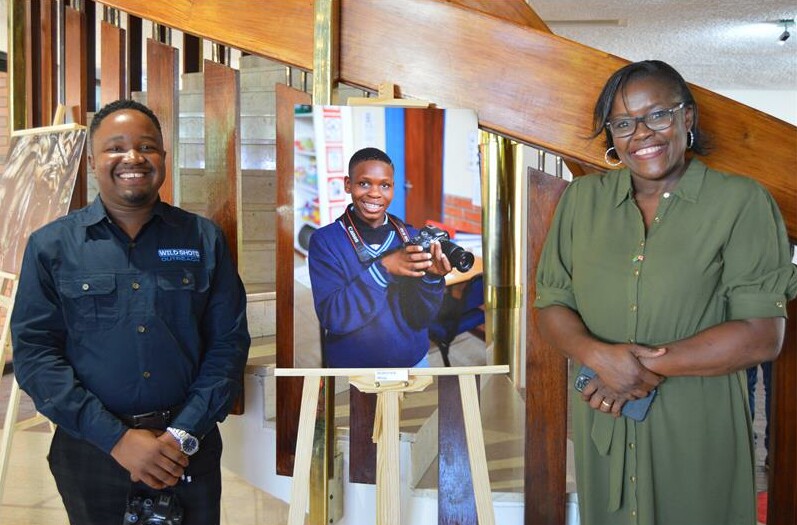
The training was done by Wild Shots Outreach, a community outreach programme run by Mike Kendrick and Harriet Nimmo from Hoedspruit since 2015.
Kendrick thanked the sponsors of cameras to the eight learners, Canon, for making it possible to train the learners on how to use a camera.
The learners were taken on photographic workshops in Timbavati Private Nature Reserve with the Timbavati Foundation sponsoring guides and wildlife drives.
“It bothered me that communities next to the Kruger National Park seldom had exposure to the animals in the park. We wanted to connect the learners with wildlife and animals and during these visits, also enable them to develop their skills,” said Kendrick.
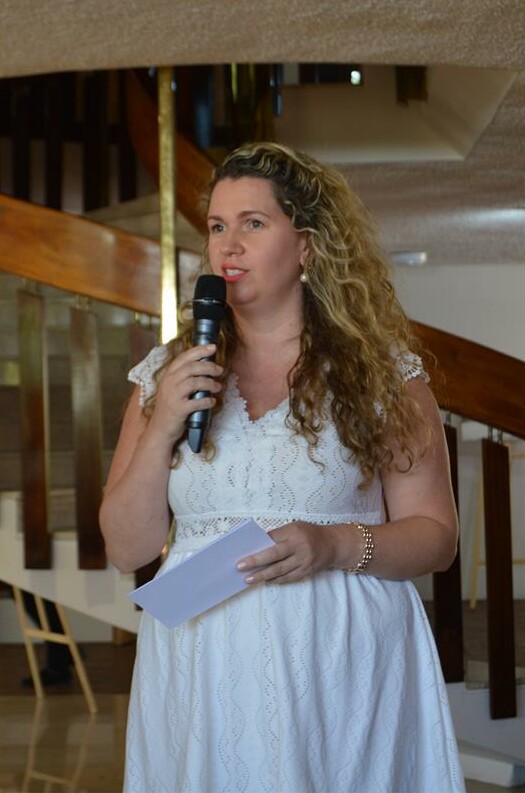
Claire Harris, spokesperson for the British High Commission, said that many people with disabilities also suffer from exclusion from training.
“From the Commission’s side we champion inclusion and are committed to crucially do something like taking hands on this project to demonstrate we believe inclusion can unlock potential,” said Harris.
She pointed out that the British royal family, with their visits to South Africa this year to support wildlife and climate change projects, are fully in support of tackling wildlife crime with the South African authorities. Millions of pounds have been given to combat illegal wildlife trade as well as safeguarding South Africa’s wealth of succulents.
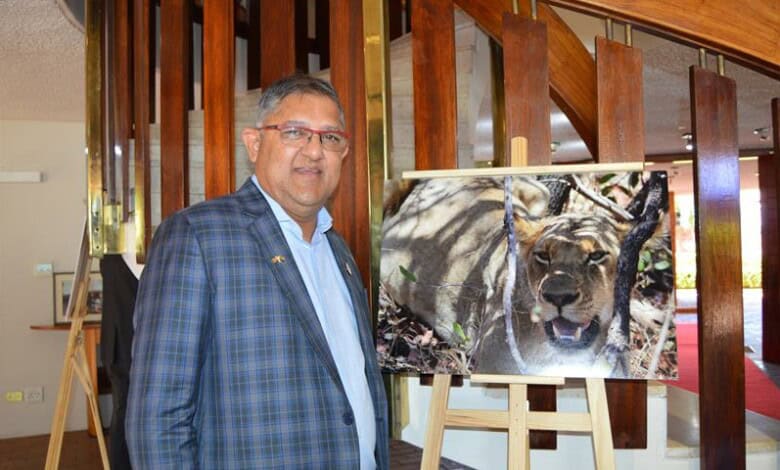
The keynote address was given by Narend Singh, deputy minister of Forestry, Fisheries and the Environment, who said art and photography are powerful mediums for advocating for nature.
“We only have one planet to continue living on and this brings the responsibility to unlock our potential to protect our biodiversity and natural heritage,” warned Singh.
He commended the British High Commission, learners, teachers and sponsors for making the exhibition possible so others could reflect on their artistic expression.
“I can see that nature has been your muse. Art and photography do have the remarkable ability to illuminate the story of nature,” remarked Singh.
Peter Mtsheeni, spokesperson for Canon, said that the learners truly captured unique wildlife moments in a variety of animals.
“This education awareness in promoting skills as well as conservation is important to us. We were glad to be able to share in the learners’ passion to show that we can, by participation, protect and preserve nature,” said Mtsheeni.
Dr Sarah Meisch Lionetto, head of Arts, Culture and Sports at the British High Commission, who opened the exhibition, mentioned that the Tsakane Special School exhibition will also soon be seen at other galleries in Gauteng.
Do you have more information about the story?
Please send us an email to bennittb@rekord.co.za or phone us on 083 625 4114.
For free breaking and community news, visit Rekord’s websites: Rekord East
For more news and interesting articles, like Rekord on Facebook, follow us on Twitter or Instagram or TikTok.