Tshwane seeks national intervention to save Hennops River
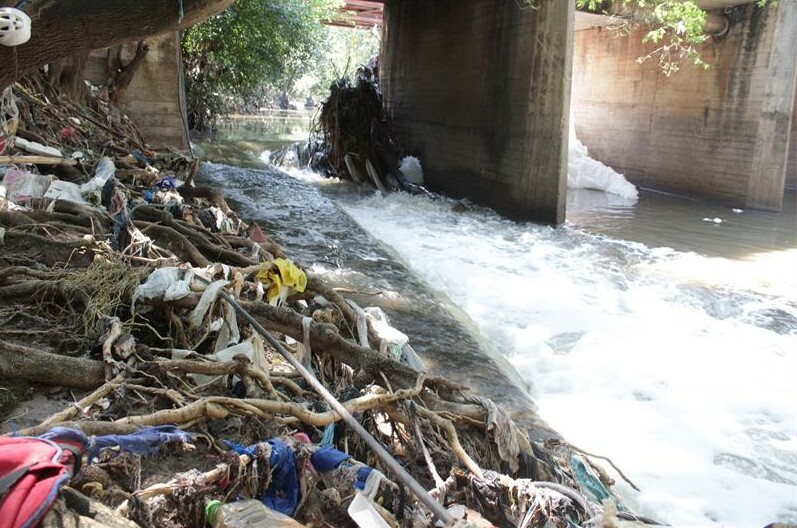
The pollution in the Hennops river reportedly orginates from the Ekurhuleni Municipality, particularly from areas like Olifantsfontein and Tembisa.
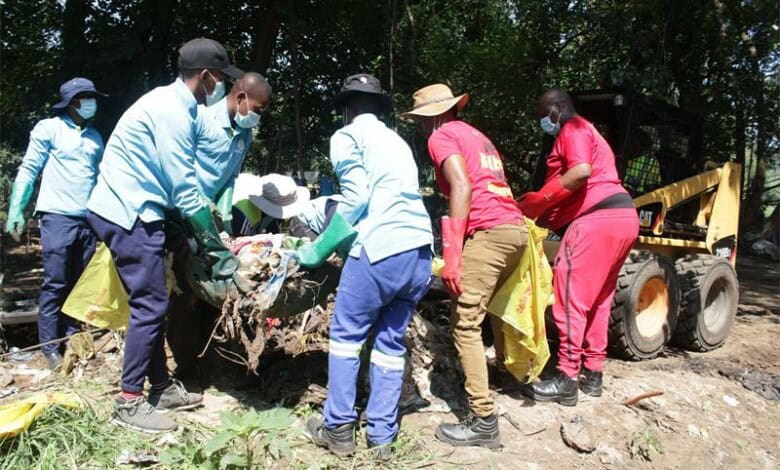
The Tshwane metro has made an urgent appeal to the national government to assist with funds and resources to address the severe pollution plaguing the Hennops River.
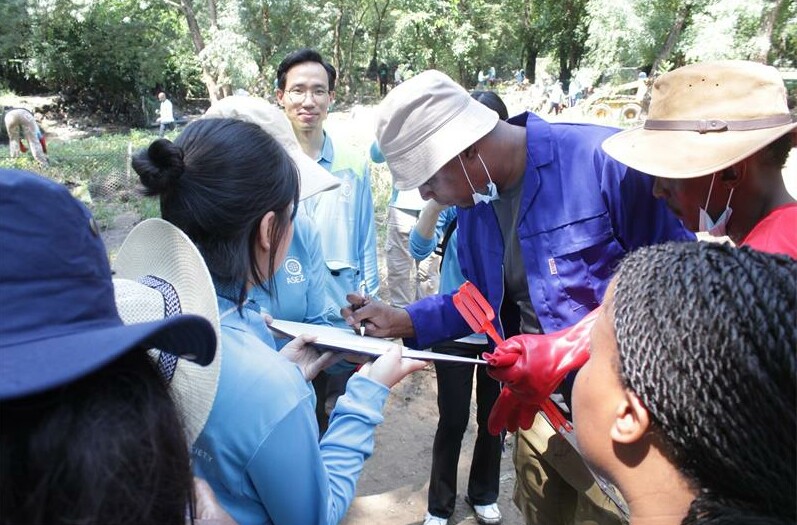
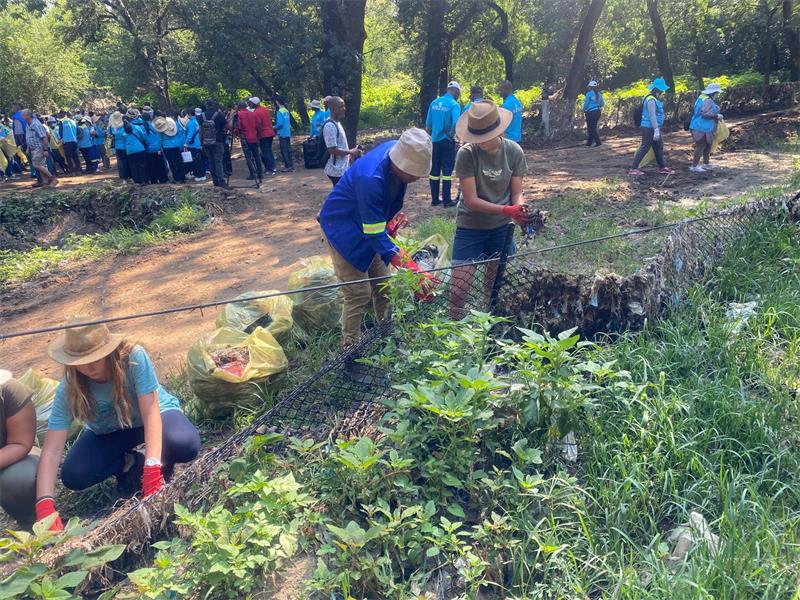
Speaking during a clean-up initiative at the river on February 9, MMC for Environment and Agriculture, Obakeng Ramabodu emphasised the critical need for collaboration between municipalities and national authorities to resolve the escalating crisis.
Ramabodu said that while the river’s condition is a shared challenge, national intervention is essential to make sustainable progress.
“We want to call on the national government, as they avail funds towards Hartbeespoort, to also make sure they assist us in cleaning the Hennops River,” said Ramabodu.
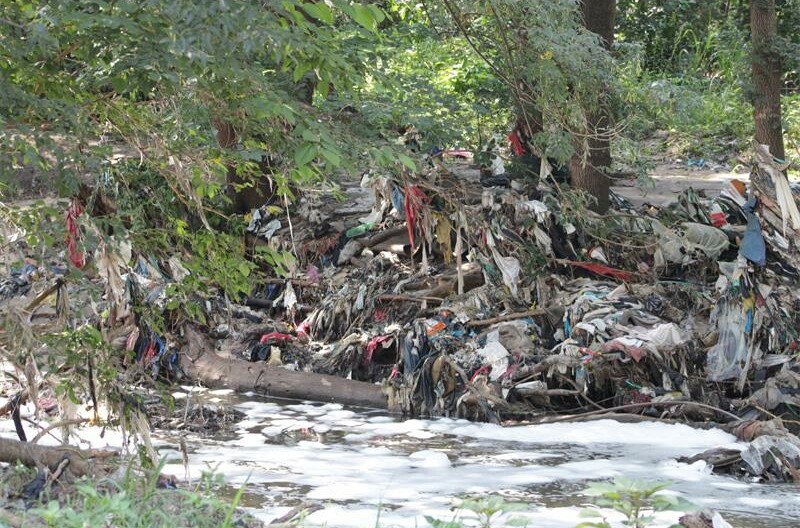
He explained that much of the pollution originates upstream in the Ekurhuleni Municipality, particularly from areas like Olifantsfontein and Tembisa, where waste, plastics, and contaminants enter the river.
He clarified, however, that Tshwane does not intend to place blame on Ekurhuleni, but rather seeks to collaborate with it and the national government.
“Part of the problems that we have about this river is that the waste you see here comes from the Ekurhuleni side, but we are not blaming them.
“We want to work with them to make sure that the Hennops River is taken care of,” he said.
Ramabodu also pointed out the broader implications of the pollution, which flows downstream into Hartbeespoort dam, which supplies drinking water.
He warned of the growing risks of bacteria, cholera, and other health concerns if the issue remains unresolved.
The MMC also highlighted the economic repercussions of the river’s poor condition.
“There has been a loss of businesses and investments in Centurion, where the Hennops flows.
“We saw the problem caused in the hotel next to the Centurion Lake, and we have lost many investments because business owners don’t want to do business in such an environment. People are getting sick,” he noted.
Ramabodu affirmed the metro’s commitment to work with all stakeholders to address the crisis.
The clean-up initiative, led by volunteer group ASEZ and supported by Tshwane’s Memorandum of Understanding with 68 organisations, was a practical step in combating the river’s pollution.
“What we want to emphasise is that we want to make it clear that this is not our competency.
“But as responsible leaders of government here in Tshwane, we are going to make sure we work together with Ekurhuleni and the national government to see if we can resolve this problem,” said Ramabodu.
Last month, Leanne de Jager, the DA Gauteng spokesperson for Environmental Affairs, also raised alarm about the dire state of the Hennops River.
Following an oversight inspection, De Jager described the visible impact of illegal dumping.
“The condition of the river harms the health of residents who live near the river and causes significant damage to the wetland and groundwater.”
She detailed scenes of plastic waste floating in the river, hanging from trees, and smoke rising from burnt recycled items.
De Jager pointed to the Gauteng Provincial Government (GPG), which owns an affected property in the area, as being responsible for much of the illegal dumping.
She expressed concern that pollution from the site contributes to the accumulation of microplastic and cyanobacteria, which pose health risks to both humans and animals.
“It is concerning that while efforts are made to prevent litter from entering the river system from higher up, the Hennops River is being contaminated at the property owned by GPG and further downstream,” said De Jager.
She also referenced the metro’s previous efforts to mitigate the pollution, including the installation of a custom-made river trap in August last year.
Despite these measures, De Jager criticised the river’s ongoing neglect.
She vowed that the DA would press the GPG through the Gauteng Provincial Legislature to enforce the National Environmental Management Act (NEMA), Act No 107 of 1998, which mandates the prevention of pollution and environmental degradation.
“Through the Portfolio Committee on Environment, the DA will push the GPG to abide by NEMA,” said De Jager.
In early January, the river was facing an alarming environmental and health crisis due to a cyanobacteria (blue-green algae) bloom.
At the time, Hennops Revival Founder Tarryn Johnston told Rekord that the blooms in the river were nothing new.
She said they have been occurring for many years, at least once or twice a year.
“There are many contributing factors, and it is not isolated to just wastewater treatment plants.”
Johnston said these factors include street litter, a significant contributor; illegal dumping; burst manhole issues; and everything else that flows into the river.
“Illegal dumping is rampant. This happens on almost every road in any area.
“We have removed tons of trash from the river in the last five years in a relatively small part of the almost 100km river by hand.”
She mentioned that the floods that occurred in December and January exacerbated the situation.
“We started in November 2019 and have removed millions of kilograms of trash from the Hennops River in Centurion alone.”
According to Johnston, she allegedly conducted 478 clean-ups between January 2022 and June 2024, collecting over 100 000 bags of waste.
Do you have more information about the story?
Please send us an email to bennittb@rekord.co.za or phone us on 083 625 4114.
For free breaking and community news, visit Rekord’s websites: Rekord East
For more news and interesting articles, like Rekord on Facebook, follow us on Twitter or Instagram or TikTok.