Farmers claim Rooiwal sewage spill has cost them financially
Over 20 farmers attended a meeting regarding the Rooiwal wastewater plant in the north of Pretoria to find solutions to their continuous problems created by the plant’s water pollution.
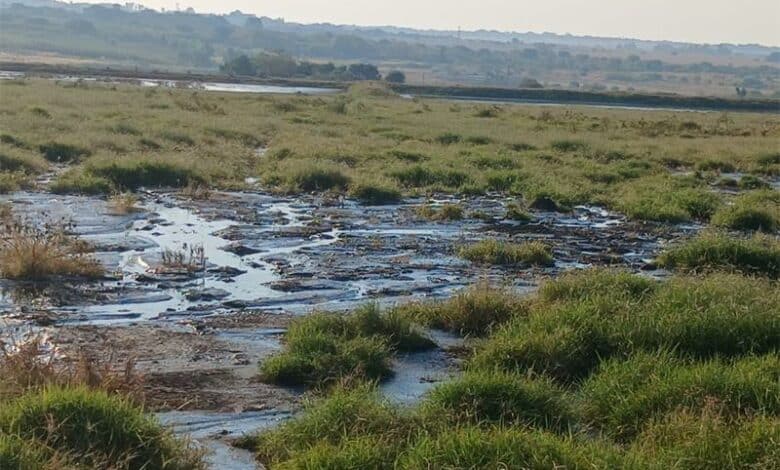
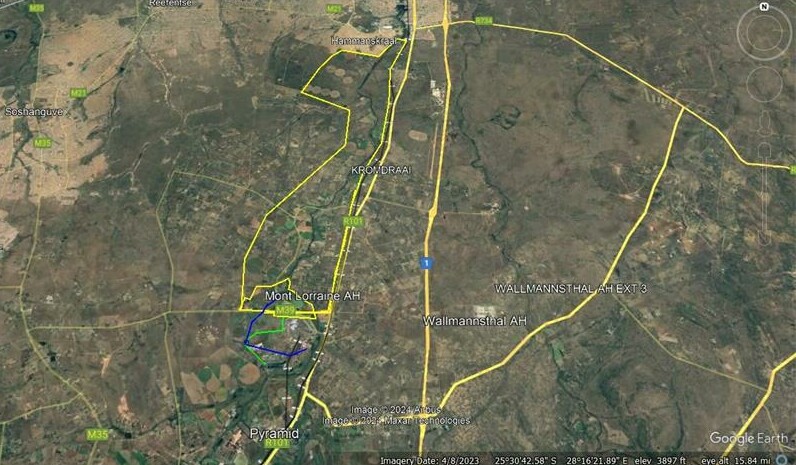
Farmers have been suffering for over 10 years due to the spillage of raw sewage from the metro’s dysfunctional Rooiwal wastewater treatment plant into rivers and streams in the area.
One farmer in Vastfontein, north of Pretoria, has lost over R7-million in revenue.
Theunis Vogel (71) has been taking the metro to court to have the plant upgraded since 2016, with court orders in place, but according to him, the metro hasn’t adhered to these orders.
According to Vogel, the Department of Water and Sanitation is unsympathetic towards his and other farmers’ appeals to hold the metro accountable for the damage being done to their agricultural land and produce, as well to the water underground.
Vogel, who used to farm vegetables and corn, told Rekord even reports by experts revealing the unhealthy E-coli count of 520 000 MPN (most probable number)/100ml hasn’t persuaded the metro to address the problem around the water the farmers have to use.
According to the World Health Organization, a zero count of E.coli per 100ml water is considered safe to drink.
“The water from boreholes in the area is so polluted, that the water for 85 properties has to be delivered by truck,” Vogel confirmed.
He pointed out that there are no fish or other aquatic species left in the Apies River and streams, and people have seen dead pythons and lizards. To him and others, the smell of methane gas and ammonia, due to the spilled sewage, is unbearable.
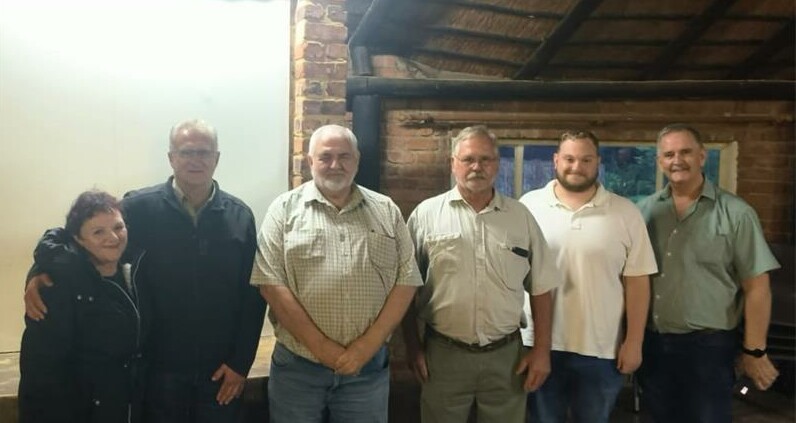
He was part of a group of roleplayers that met with Rooiwal farmers on February 17 regarding their problems.
The meeting also included a fact-finding mission to the plant.
These roleplayers included over 20 farmers and agriculturalists of mainly corn, potatoes, other vegetables and livestock such as cattle.
Representatives of the Freedom Front Plus and TLU-SA also attended.
“Since the sewage has been spilled in our area, I have recorded the data and repeatedly delivered claims to the metro, without any satisfactory results. Metro police are more than willing to give someone who dumps rubbish in this area a R15 000 fine, but no action is taken over the metro’s own spillage of raw sewage into water that has claimed people’s lives with the cholera outbreak of two years ago, and which is bringing farmers to their knees.”
He notes that the alternatives discussed during the meeting over future action have encouraged him to think of approaching the provincial government, as well as alternative ways of using wetlands to purify the water.
Bennie van Zyl, manager of TLU-SA, said: “This once again is a ticking time bomb endangering people’s lives. Because of the metro neglecting to maintain the Rooiwal wastewater plant, a big area of fertile agricultural land has simply been destroyed. Residents of Hammanskraal and surrounds cannot drink their drinking water”.
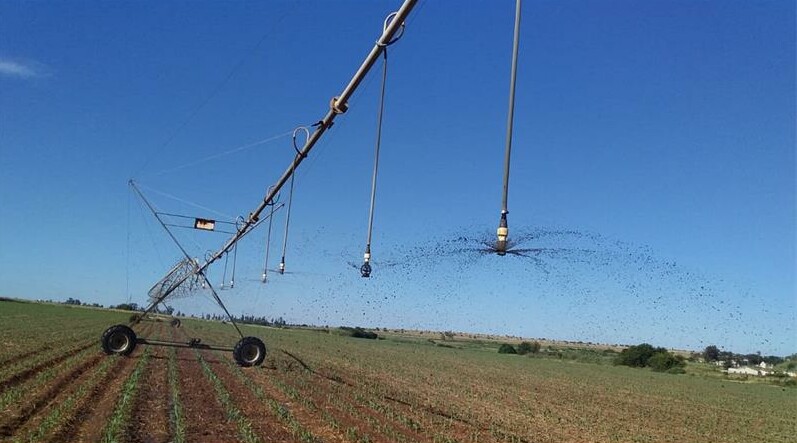
He said 85 agricultural units have been affected by the polluted water.
Dehan Harmse of the Freedeom Front Plus said these farmers are paid little to nothing for their crops or livestock. Their property values have also dropped greatly.
“They also feel severely disadvantaged by Hammanskraal getting clean water, while they receive no assistance, in spite of the fact that they are situated directly at the source of the pollution,” Harmse pointed out.
Vogel said he started noticing the problem in 2005.
Harmse said the metro indicated it does not have the financial resources to remedy the spillage of sewage into water from the Rooiwal wastewater purification plant.
“We also in fact question the competence of the project management and the contractors on the project,” Harmse said.
“It presumably is due to financial problems at the metro that it is not happening. We are therefore exploring alternative methods, such as possibly bringing a motion to the city council.”
Further actions, such as involving the provincial authorities, are also in the pipeline.
The chairman of the Standing Committee on Agriculture and Environmental Affairs in the provincial legislature, Jaco Mulder, also attended the meeting on February 17.
He indicated that he would request the committee to visit the area and also enter into discussions with the MEC for Environment, Sheila Peters, so that her office could visit the area and possibly intervene.
Tshwane Mayor, Dr Nasiphi Moya, referred to the upgrading of the Rooiwal wastewater plant during her report-back to residents on her first 100 days in office.
She mentioned that one of the most important accomplishments was addressing the Hammanskraal water crisis in partnership with Magalies Water and the national Department of Water and Sanitation.
Residents who are part of Phase 1 of the project now have clean drinking water since January this year. The water is supplied from the Magalies Klipdrift water purification plant.
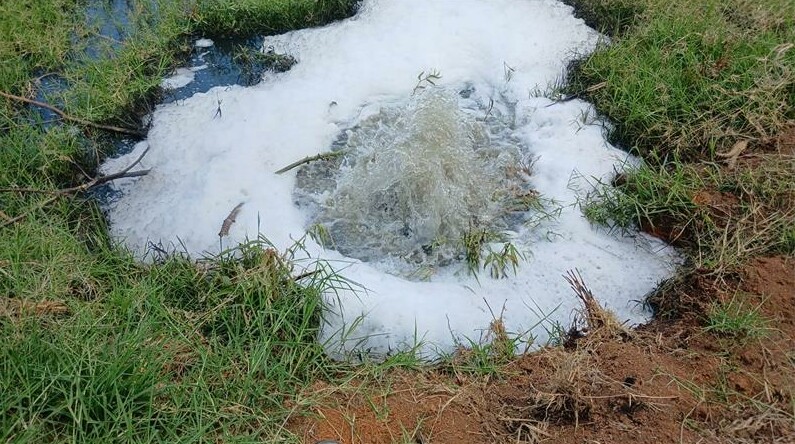
The polluted water in Hammanskraal has continuously been attributed to, among others, the Rooiwal wastewater plant’s lack of capacity to purify.
The Magalies Water Klipdrift package project consists of four phases and upgrading of the Rooiwal wastewater purification plant falls under these.
The project is being undertaken in cooperation with the national Department of Water and Sanitation and the Development Bank of southern Africa as implementation agent.
The metro has given the preliminary completion date of the whole project as June 2026 with an estimated cost amounting to billions of rands.
Moya announced during a visit to the Rooiwal wastewater purification plant on January 18 that Phase 1A of the project, initially expected to be completed by April this year, was 98% complete.
She said the timeous completion of Phase 1A has enabled the city to accelerate the start of Phase 1B, originally scheduled for September.
According to Moya, Phase 1B will now start in March, a full five months ahead of schedule.
The metro has been approached for further comment, but none had been received at time of going to press.
Do you have more information about the story?
Please send us an email to bennittb@rekord.co.za or phone us on 083 625 4114.
For free breaking and community news, visit Rekord’s websites: Rekord East
For more news and interesting articles, like Rekord on Facebook, follow us on Twitter or Instagram or TikTok.