Pretoria Zoo celebrates endangered species
Today, 15% of the species at the NZG, from birds to big cats, are classified as threatened.
The National Zoological Garden (NZG) in Daspoort recently held an awareness campaign to commemorate Endangered Species Day.
Celebrated on May 16, the day brings awareness to the plight endangered species face around the world.
The recent birth of a critically endangered gibbon, new arrivals of North African fennec foxes, three black tip reef sharks and over 200 marine fish have sparked renewed energy at the zoo,
Activities of the day included:
– An all-inclusive guided tour in golf carts through the rejuvenated grounds.
– A first look at the zoo’s newest baby gibbon.
– Meeting the fennec foxes – straight from the Sahara, now thriving in Pretoria.
– A deep dive into how NZG is becoming a sanctuary for endangered species.
– Spotting the new black tip reef sharks.
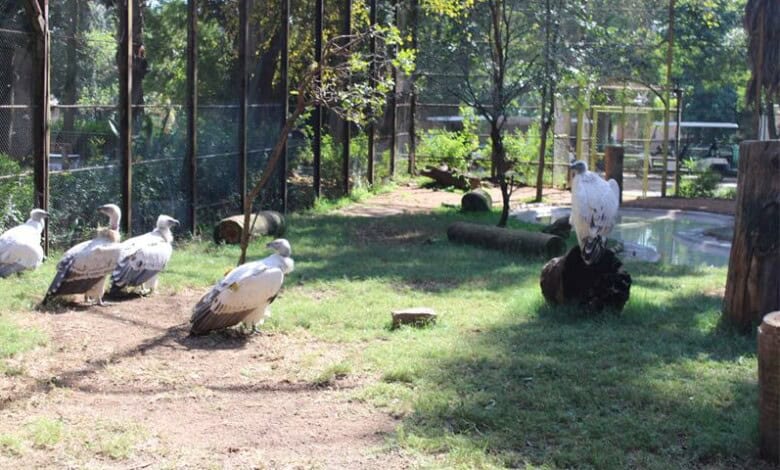
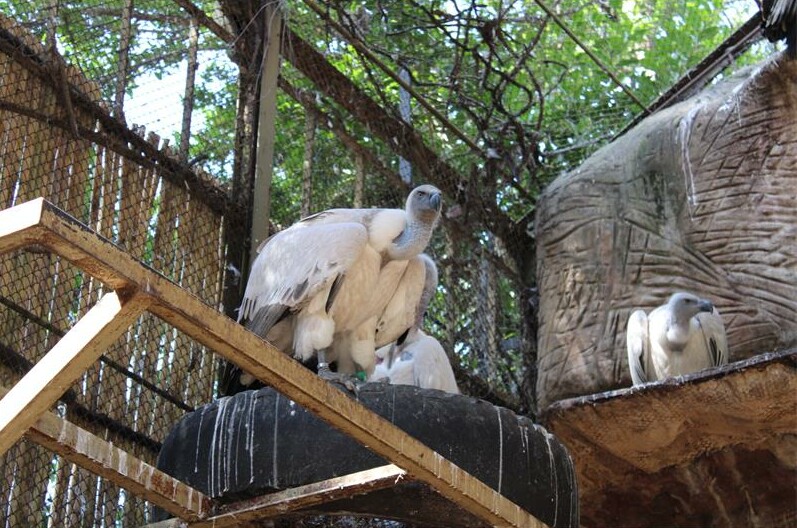
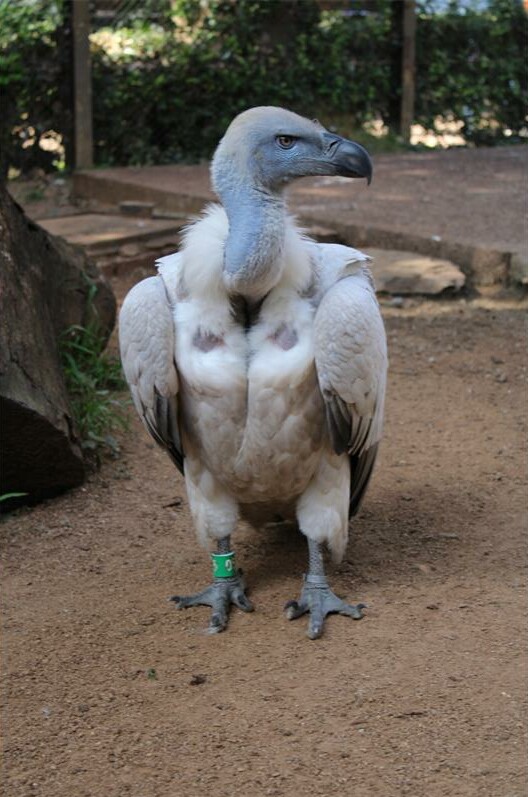
– Seeing conservation in full flight in a presentation about the Cape vulture breeding programme.
– A peek into feeding time at the animal kitchen.
– Quiet time at a picnic spot.
Endangered Species Day presents an opportunity to reflect on fragile natural heritage, its interconnectedness and the factors negatively impacting natural ecosystems, whether it be through human-induced habitat destruction and transformation (through mining, plantations, invasive alien species, pests and pathogens, clearing of natural habitats for new developments) or the effects of poaching, over-harvesting, and climate change.
Last year, the NZG celebrated the birth of a baby buffed-cheeked gibbon, the first born to proud parents Silvester and Lony. This marked a major milestone in Sanbi’s contribution to international efforts to save this endangered species.
Silvester, born in Czechia and transferred from France, arrived at NZG in May 2023 as part of a European conservation breeding programme. After a carefully managed introduction process, starting with brief visual contact and gradually moving to shared enclosure time, Silvester and Lony were successfully paired. Their bond grew, and just a few months later, the pair welcomed their newborn.
“This is not just a baby,” says Tracy Rehse, Director of Animal Conservation at the NZG. “It’s a lifeline for a species.”
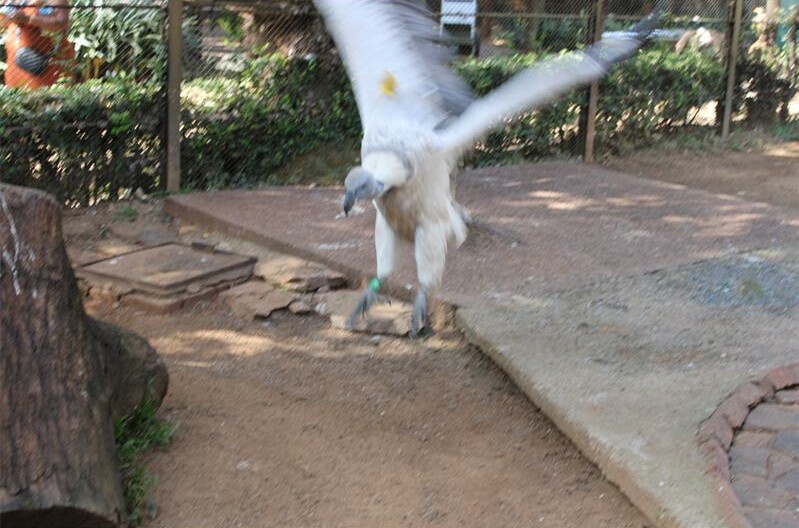
A white vulture flapping its wings. Photo: Supplied
Buff-cheeked gibbons are native to Cambodia and are classified as endangered due to habitat destruction and poaching.
Through the European Association of Zoos and Aquaria (EAZA) studbook programme, a global matchmaking system to preserve genetic diversity, Sanbi and NZG are helping ensure the long-term survival of this remarkable species.
Today, 15% of the species at the zoo are classified as threatened, from birds to big cats.
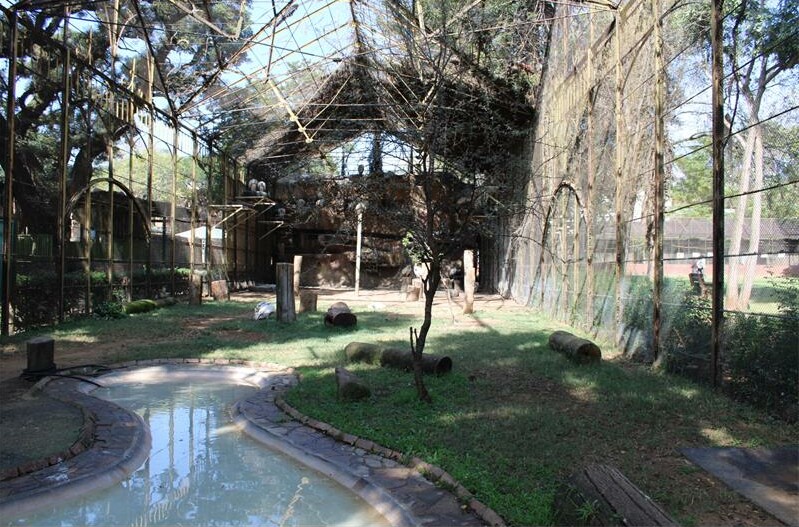
Sanbi’s gardens also share information about the traditional value of plants and animals, and how these are supported.
The country’s network of local, provincial and national protected areas, such as national parks, also serves as an important conservation area to safeguard plants and animals from extinction.
“Responsible citizens can play a vital role in protecting South Africa’s biodiversity, especially in monitoring plants and animals listed as threatened. Start by never buying wild plants or animals from illegal traders. Instead, support ethical nurseries and reputable conservation programmes that prioritise sustainability,” said Nontsikelelo Mpulo, Sanbi’s Director Marketing, Communication and Commercialisation.
“Sanbi’s work in both in situ (in natural habitats) and ex situ (outside of natural habitats) conservation shows that change is possible, but only with public support. Most of Sanbi’s national botanical gardens are classified internationally as conservation gardens and manage areas of natural vegetation with their associated biodiversity,” Mpulo said.
Residents are encouraged to get involved with local environmental NGOs (such as Botanical Society of South Africa, WWF SA, Birdlife SA, EWT and WESSA, among others), societies and citizen science programmes to contribute to the conservation of plant and animal life.
“Everything is connected. When we lose a plant, we may lose a pollinator. When we lose a pollinator, we lose food. When we lose food, we lose people. Conservation is not just about saving species. It’s about saving ourselves,” Mpulo said.
ALSO READ: Rekord readers respond with open hearts to call to action for SPCA
Do you have more information about the story?
Please send us an email to bennittb@rekord.co.za or phone us on 083 625 4114.
For free breaking and community news, visit Rekord’s websites: Rekord East
For more news and interesting articles, like Rekord on Facebook, follow us on Twitter or Instagram or TikTok.