Hammanskraal residents voice anger over outages and smart meter rollout
Government leaders have promised repairs to transformers and high-mast lighting in Hammanskraal while working to formalise illegal electricity connections. Residents questioned whether the change to prepaid metering would increase costs, as officials defended prepaid meters as vital for long-term stability.
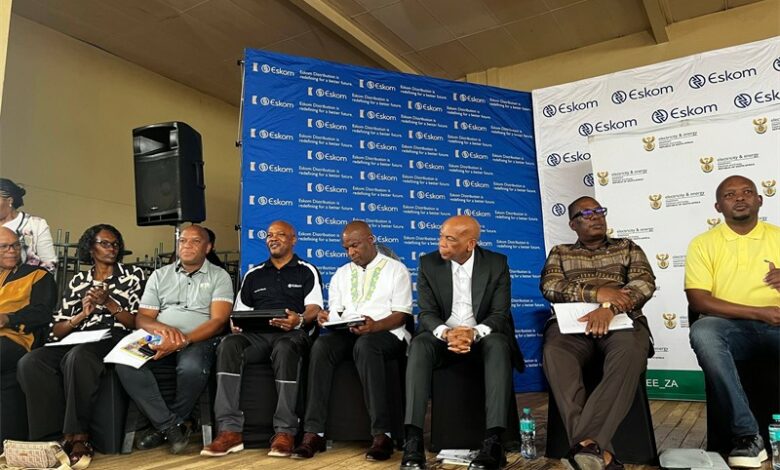
The ongoing load reduction crisis in Hammanskraal has been largely attributed to illegal electricity connections and deteriorating infrastructure, with government officials now outlining a multi-pronged plan to stabilise supply and restore reliability.
Speaking during a public engagement in the area, Gauteng Premier Panyaza Lesufi said illegal connections remain at the centre of the problem, placing immense strain on the electricity network and contributing to repeated outages affecting households, businesses and essential services.
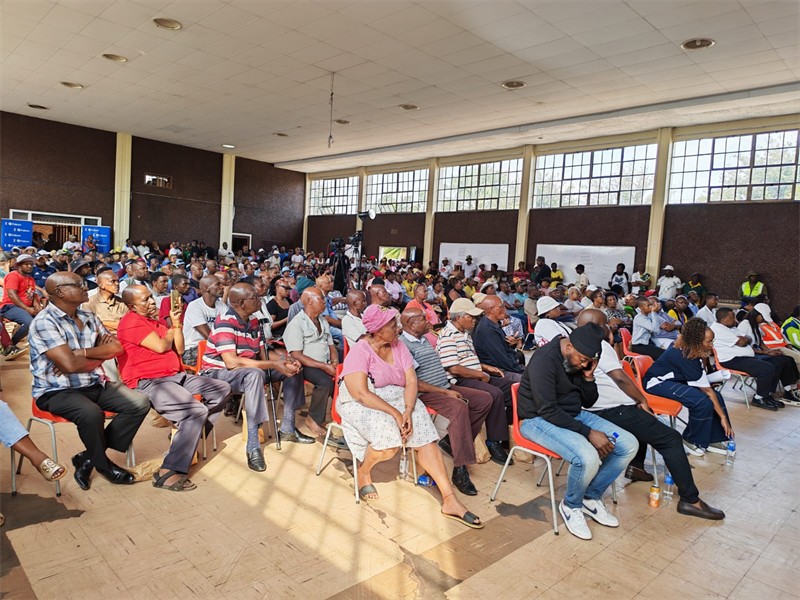
The meeting at the PH Moraka High School Hall drew a large and vocal crowd from Temba and nearby communities, with residents raising concerns about years of neglected infrastructure.
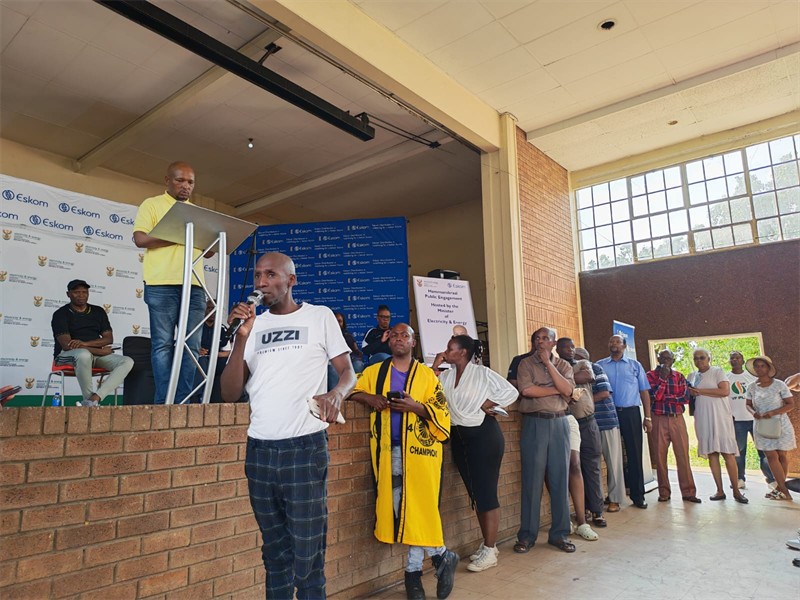
Panyaza said the source of load reduction is embedded in illegal connections and emphasised that government’s approach would not be punitive but rather corrective and inclusive.
According to Lesufi, the plan extends beyond keeping the lights on and includes repairing damaged transformers, restoring high-mast lighting and bringing informal or illegal connections into a regulated system to ensure broader access to electricity.
“We don’t want to shame illegal connectors. We want to migrate them from illegal to legalised, so that we can get electricity given to them.
Residents questioned whether the new system would increase their electricity costs, while others cited previous experiences with faulty installations and difficulties when purchasing units.
Confusion over whether installations would be free also emerged, with claims that some households had been told they would need to pay significant amounts.
The premier was joined by Minister of Electricity Kgosientsho Ramokgopa, who is leading the national government’s intervention to eliminate load reduction in Hammanskraal and surrounding communities.
The visit formed part of a ministerial outreach aimed at assessing progress and engaging directly with affected residents.
Ramokgopa outlined the government’s strategy to address the crisis, focusing on stabilising the network, upgrading infrastructure and improving overall electricity supply reliability.
The visit also included engagements with community leaders, stakeholders and residents, many of whom expressed frustration and distrust over the proposed installation of smart prepaid meters by Eskom.
Some residents have threatened to block access to their homes, arguing that smart meters are more expensive and deplete electricity units faster than traditional systems.
Ramokgopa pointed to infrastructure overload as a key driver behind load reduction.
He explained that transformers are frequently forced beyond their capacity when electricity is distributed beyond intended limits, resulting in shutdowns designed to prevent severe damage.
He noted that the cost of replacing damaged infrastructure is significant, adding that a single transformer can cost hundreds of thousands of rand to repair or replace.
Ramokgopa also clarified that the introduction of smart meters is aimed at improving efficiency and ensuring that electricity distribution is properly managed.
He said the system would allow qualifying indigent households to receive free basic electricity directly each month, without delays linked to administrative processes.
“Government would adopt a case-by-case approach in dealing with outstanding electricity debt.
“While businesses and households with the means to pay would be expected to do so, provisions are being considered to assist indigent residents in transitioning into a formalised system,” he said.
Ramokgopa has set a six- to seven-week timeframe to implement key measures in Hammanskraal and warned that resistance to smart meter installation could delay progress.
Eskom has maintained that the rollout of smart meters is a critical step in resolving the crisis.
Gauteng Cluster general manager Bandile Jack reaffirmed the power utility’s commitment to eradicating load reduction through technical interventions and community co-operation.
“Smart meter installations are key to achieving a sustainable solution. We appeal to the Hammanskraal community to support Eskom teams by allowing them access to install the smart meters,” added Jack.
Ramokgopha also highlighted progress made under Gauteng’s Energy and Infrastructure Programme, including the replacement of faulty transformers and efforts to strengthen the electricity grid.
He warned that continued vandalism, illegal connections and infrastructure damage threaten to undermine these gains.
ALSO READ:
- Pretoria North community unites to clean neglected Monument Poort Park
- Fire at Waltloo Substation leaves Ward 41 in dark for eight days
- More than 670 suspects arrested across Gauteng during Operation Shanela
- Four arrested as furious East Lynne residents protest prolonged power outage
- Pretoria North community unites with security firms to tackle crime
Do you have more information about the story?
Please send us an email to bennittb@rekord.co.za or phone us on 083 625 4114.
For free breaking and community news, visit Rekord’s websites: Rekord East
For more news and interesting articles, like Rekord on Facebook, follow us on Twitter or Instagram or TikTok or WhatsApp Channel