Soshanguve residents demand permanent water and sanitation solutions
Repairs under the metro’s campaign bring relief in Soshanguve, but residents say recurring leaks and ageing infrastructure still demand lasting solutions.
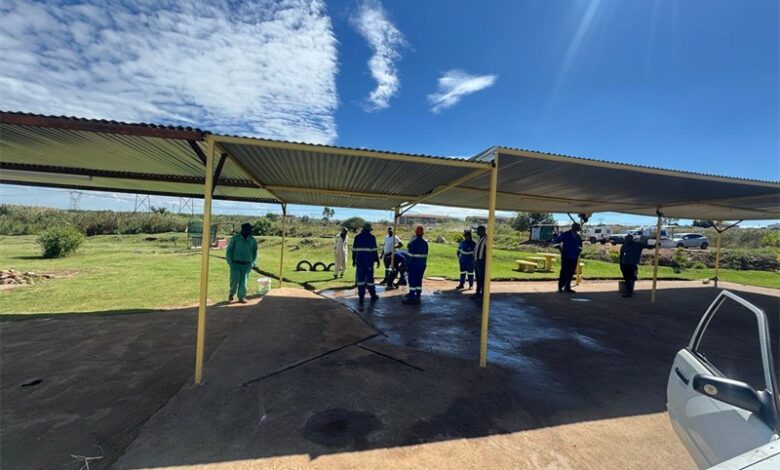
The Tshwane metro’s ongoing #ThibaDiLeaks campaign has brought visible progress to parts of Soshanguve, but residents say more needs to be done to fully resolve long-standing water and sanitation challenges.
Working in partnership with Rand Water, the metro’s Water and Sanitation teams have been deployed across Region 1 to tackle persistent water leaks, sewer blockages, and illegal water connections.
The intervention forms part of a broader strategy to reduce water losses, improve service delivery, and restore dignity to affected communities.
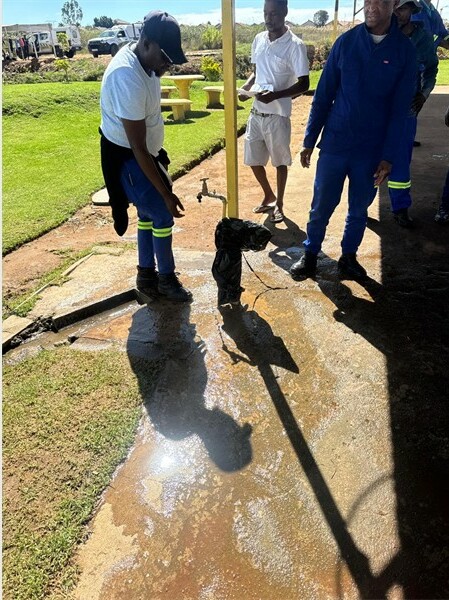
Metro teams have been repairing leaking infrastructure, clearing blocked sewage systems, and disconnecting illegal connections.
According to the metro, illegal car wash connections – often blamed for excessive water consumption – have been removed, helping to curb commercial water theft.
Leaking meters have been repaired, saving millions of litres of water that would otherwise have gone to waste.
Households can be fined between R15 000–R25 000 for illegal water connections
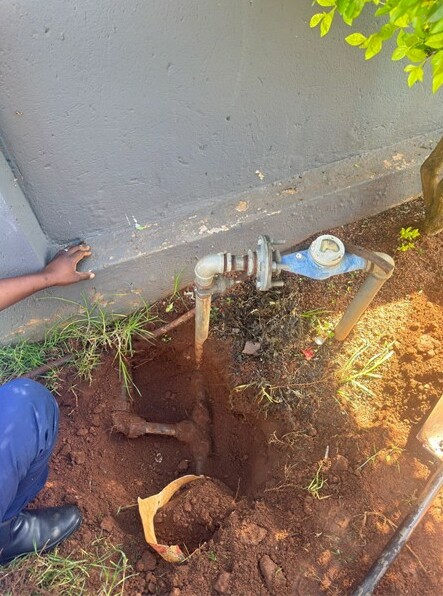
In Block G, one of the areas hardest hit by infrastructure failures, a major 200mm asbestos cement (AC) pipe burst has required urgent attention.
https://x.com/CityTshwane/status/2046512720996917329?s=20
#ThibaDiLeaks – our water and sanitation teams are busy in region 1 attending to various leaks. In Block G, Soshanguve a 200mm AC water pipe burst and the repair team needs to expose the pipe before work can start. pic.twitter.com/uNjvkKkRLI
— City of Tshwane (@CityTshwane) April 21, 2026
Repair teams worked to expose the damaged pipe before repairs could begin, highlighting the difficulty of maintaining ageing infrastructure in the township.
The metro has also intensified its call for community co-operation, urging residents to report leaks, avoid damaging infrastructure, and refrain from illegal connections that place further strain on the system.
Block DD resident Palesa Mnguni said the repairs of leaks and the municipality’s mission to save water should have happened a long time ago.
“We have been living with dirty water in the streets and the smell from blocked sewage. It’s not something you get used to.”
Thomas Chauke of Block H urged the metro to be consistent when it comes to delivering services, especially in townships.
“I hardly believe that what they are doing is not political campaigns. Yes, we see the teams working now, and that gives us hope. But they must not disappear after this. We need permanent solutions, not temporary fixes. The leaks always come back,” he said.
The metro maintains that the #ThibaDiLeaks programme is not a once-off intervention but an ongoing campaign that will continue to roll out across different regions.
Do you have more information about the story?
Please send us an email to bennittb@rekord.co.za or phone us on 083 625 4114.
For free breaking and community news, visit Rekord’s websites: Rekord East
For more news and interesting articles, like Rekord on Facebook, follow us on Twitter or Instagram or TikTok or WhatsApp Channel