Cemetery and Plastic View residents demand serviced stands
After decades of unfulfilled promises, Plastic View residents say fires, poor conditions and mistrust of NGOs have left them determined to stay until the metro delivers serviced land.
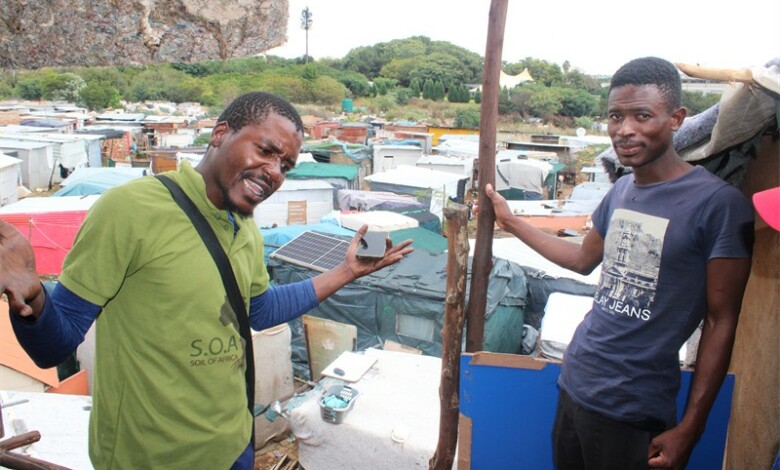
Residents of the Plastic View and Cemetery View informal settlements in the east of Pretoria have vowed to remain in the area until the Tshwane metro fulfils its long–standing promise to provide serviced, legal stands.
Community leader Banele Tsuku said residents have waited more than two decades for relocation while repeated commitments produced no tangible results.
“We have been promised relocation for years, but nothing has happened. Instead, we are constantly threatened with evictions and court orders,” he said.
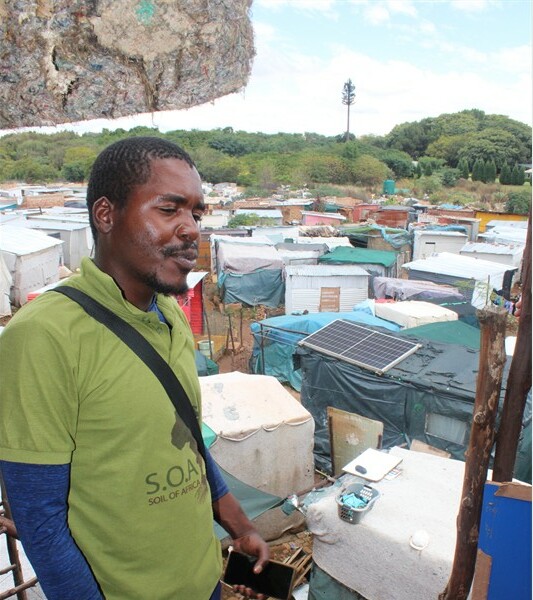
Some residents have lived in the area since 1988, long before nearby developments such as Woodlands Boulevard, Woodhill Estate and Mooikloof Estate were built.
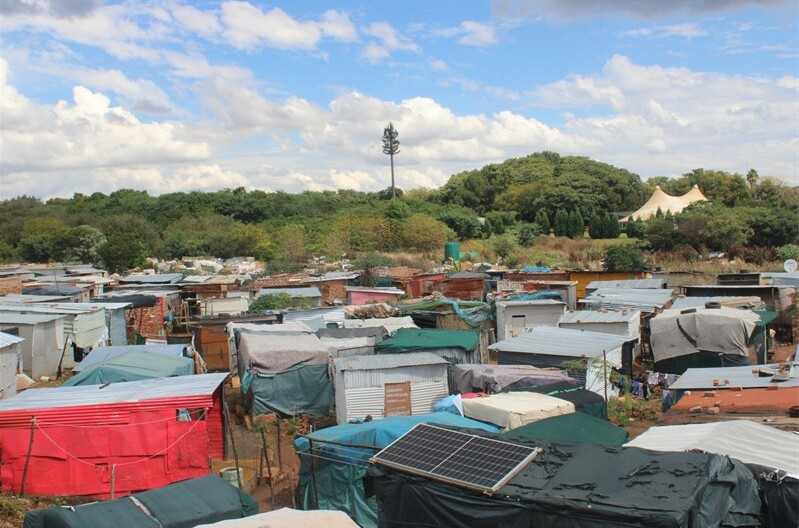
“We were here before these estates. Many of our people even worked on those developments, yet today we are treated as if we do not belong,” Tsuku said.
Tsuku emphasised that the community’s demand is not for free housing but for access to serviced stands where people can legally build their own homes. “We are not asking for RDP houses or free houses. We just want serviced stands where we can live with dignity, pay rates and build on our own,” he said.
He added that South African residents are willing to relocate if the process is fair. “South Africans here want to move. They are not happy with the living conditions, yet every election they vote. We are not refusing to relocate; we just want it to be done properly and fairly,” Tsuku said.
Living conditions in the settlements are hazardous, with frequent shack fires causing deaths, injuries and trauma, particularly among children. “People are dying because of fires. Children are growing up traumatised, not knowing if they will return home to find their families safe after school,” he said.
The loss is personal for Tsuku. “I lost my parents in a shack fire. Many families have lost loved ones, yet nothing is being done urgently. I want my children to grow up in a conducive environment,” he said.
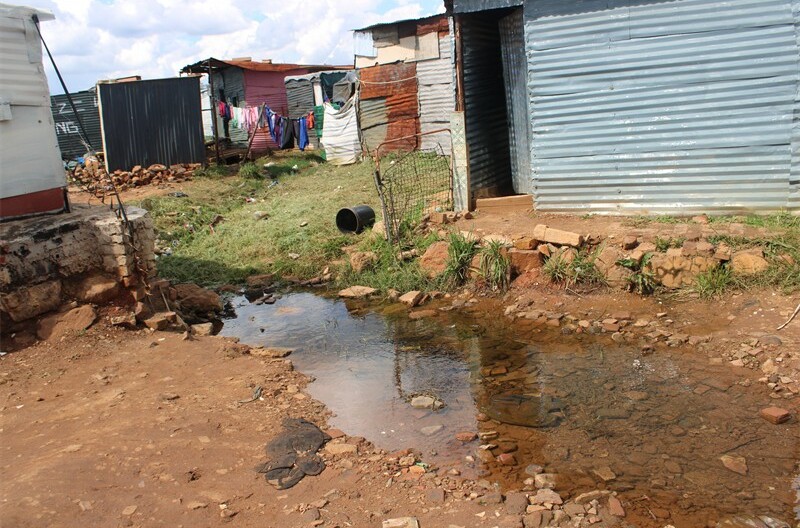
Tsuku criticised the current provision of basic services as insufficient. “Why give us water tankers and mobile toilets but not proper stands? Are we not deserving of dignified living conditions? Do we deserve to just use mobile toilets while we are so many? What about hygiene and disease?” he asked.
The community has taken a firm stance against some NGOs and NPOs operating in the settlements, accusing certain organisations of exploiting their situation. “We do not want NGOs here anymore. They act as if they are helping, but they benefit from donations every time there is a fire,” Tsuku said.
He alleged some groups encourage unsafe building practices: “They push people to build with plastic, which is highly flammable and dangerous, while discouraging the use of zinc and bricks that can act as firebreaks.”
Tsuku said residents are instead trying to improve safety by using more durable materials, but claim NGOs pressure the municipality not to allow proper construction. “We are building with bricks and iron to reduce fire risks, but we are still exposed to danger every day,” he said.
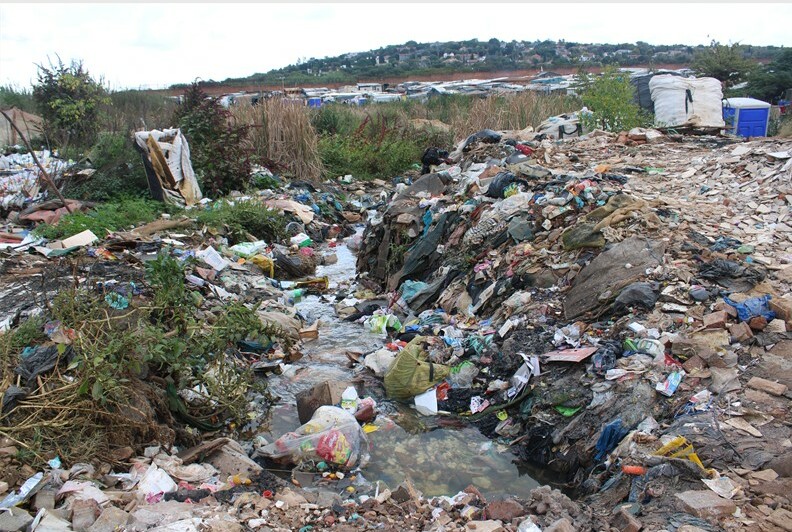
He raised concerns about illegal dumping, alleging that some neighbouring estate residents pay for waste to be dumped in the settlements.
“They use cheap waste–removal services that come and dump here, and then complain about smoke when residents burn that waste,” he said. The metro has said it is treating allegations of organised dumping as a serious enforcement matter.
Tsuku linked tensions, criminality and lawlessness partly to the presence of undocumented foreign nationals. “We are not criminals; most of the crime is done by some of the illegal immigrants,” he said, alleging some foreign nationals rent out shacks, control parts of the informal economy and resist relocation.
“Many South Africans here are tenants. Some foreign nationals are renting out shacks and controlling the space. We want government to deal with this issue,” he added, calling on the Department of Home Affairs to intervene.
Despite these challenges, Tsuku said people do not live in the settlements by choice. “We are here because we are close to economic opportunities. We work in nearby estates, malls and businesses, but we cannot afford rent or transport elsewhere. This is about survival,” he said.
He criticised the municipality’s repeated references to Extension 40 as empty promises. “We have been hearing about Extension 40 for years, but nothing is happening. We are tired of empty promises,” Tsuku said, warning that unless the metro acts the settlements will effectively become permanent.
“If the metro does not provide what was promised, this will remain our forever home. But we want to move — just in a proper and fair way,” he said.
Meanwhile, the Tshwane metro said it had taken note of the residents’ concerns and acknowledged the hardships faced in informal settlements. Mayoral spokesperson Samkelo Mgobhozi said the issues raised reflect deeper challenges around safety, dignity and delayed service delivery.
“These are not abstract concerns. They speak to how people live every day, to the safety of families, to the fear of fires at night, and to the frustration of waiting for change that has taken too long,” he said.
Mgobhozi said unstable living conditions place residents at disproportionate risk from fire, crime and environmental hazards, a reality the metro finds unacceptable. At the same time he insisted law enforcement must remain firm.
“A city cannot protect its residents if law enforcement is undermined, if illegal dumping is tolerated, or if criminal activity is allowed to take hold. Compassion and enforcement must go hand in hand.”
The metro confirmed that the long–awaited Pretorius Park Extension 40 development remains its primary long–term solution.
“The development of Extension 40 is a structured process to ensure residents move into a viable and sustainable environment,” Mgobhozi said, adding that key preparatory work – including feasibility studies, environmental assessments and township establishment approval – was completed in August 2022.
He said detailed designs for water and sanitation infrastructure have been approved and procurement of a contractor is under way.
Construction of bulk infrastructure, including water, sewer, roads and stormwater systems, is expected to begin in the 2026/27 financial year, with around 865 housing opportunities planned. Mgobhozi said delays were caused by regulatory and planning requirements intended to avoid moving communities into incomplete or unsustainable conditions.
Describing the loss of life as deeply troubling, Mgobhozi said no resident should live with the constant risk of fire. While emergency services respond to incidents, he said long–term risk reduction depends on formal housing solutions.
He defended the metro’s interim provision of water and sanitation: “These are basic obligations to protect health and dignity. They are not a substitute for permanent housing, but part of ensuring residents are not left without essential services while long–term solutions are implemented.”
On illegal dumping, Mgobhozi said the metro has intensified enforcement. “Illegal dumping is a direct threat to residents’ health and dignity. Since October 2025, nearly 19,000 tonnes of waste have been cleared across Tshwane, with more than 1,200 hotspots addressed,” he said, adding that allegations of co-ordinated night–time dumping are being investigated and will be acted upon where evidence exists.
Addressing allegations of corruption within the metro police, Mgobhozi said the claims are being taken seriously and reiterated a zero–tolerance stance: “Any officer found to be involved in corruption will face disciplinary action and criminal prosecution. There will be no protection for wrongdoing.” Residents have been urged to report specific cases through formal channels, including the integrity unit and independent oversight bodies.
On undocumented foreign nationals, Mgobhozi said the metro does not assign blame based on nationality but acts where laws are broken. He confirmed joint operations with Home Affairs and SAPS have led to the deportation of more than 100 undocumented individuals and said such operations will continue within the law.
Allegations involving NGOs and NPOs, he added, will be assessed by the Department of Social Development. “Any organisation working in communities must contribute to safety and wellbeing, not undermine it,” he said.
Mgobhozi outlined the metro’s dual approach: in the short term, maintaining services, strengthening enforcement and responding to emergencies; in the long term, delivering Extension 40 and integrating communities into safer, formal environments.
Acknowledging residents’ frustration, he said: “Residents have waited too long for certainty. That must change. The metro remains committed to restoring dignity, improving living conditions and ensuring the law is upheld fairly across Tshwane.”
ALSO READ: New Mamelodi clothing brand encourages youth to build from humble roots
Do you have more information about the story?
Please send us an email to bennittb@rekord.co.za or phone us on 083 625 4114.
For free breaking and community news, visit Rekord’s websites: Rekord East
For more news and interesting articles, like Rekord on Facebook, follow us on Twitter or Instagram or TikTok or WhatsApp Channel