North residents weigh in on draft budget and property rates policy
A key concern raised was the perceived imbalance in capital budget allocation, with residents arguing that more funding was being directed toward township development while wards 2, 4 and 98 were overlooked.
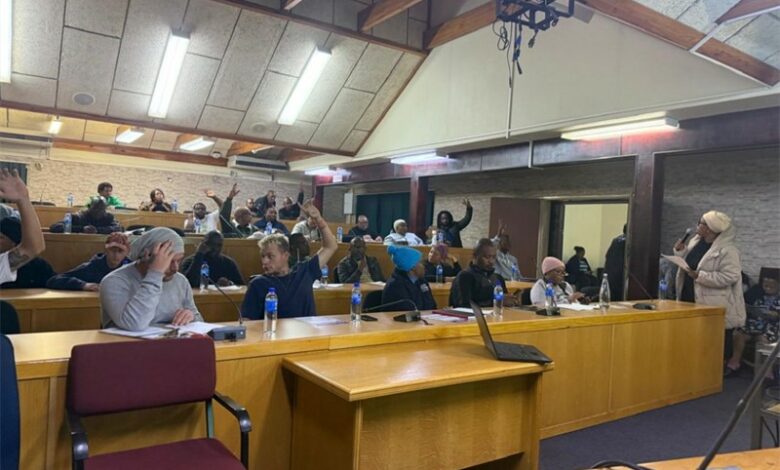
People of Akasia and surrounding areas gathered at the Akasia Municipal Chamber on April 22 for the public participation session to engage directly with metro officials and raise concerns about service delivery and proposed tariff increases.
The Tshwane metro presented its Draft 2026/27 Integrated Development Plan (IDP), Medium-Term Revenue and Expenditure Framework (MTREF) for 2026/27 to 2028/29, as well as the Draft Property Rates Policy and by-laws.
MMC for Region 1, Alderman Aaron Maluleka, outlined the metro’s financial and service delivery realities, noting that the metro serves about four million residents across more than 900 000 households.
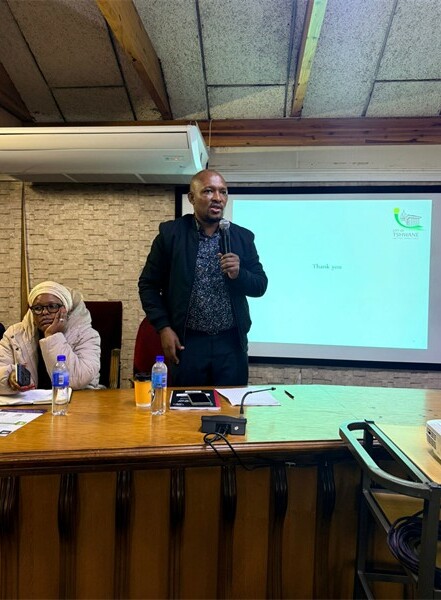
He said, of these, about 800 000 households are ratepayers billed monthly for municipal services.
Maluleka explained that the remaining households are largely within informal settlements and therefore not billed in the same way, although the metro still provides services to these areas, as well as to businesses, industrial parks, schools and public open spaces.
“Region 1 is one of the biggest regions in the metro, with 28 wards and the highest number of informal settlements.
“Despite these challenges, we do have funds to provide services and are rolling out electricity meters to improve access and revenue collection,” he said.
Residents raised several concerns regarding both the IDP and the draft budget.
A key issue highlighted was the perceived imbalance in capital budget allocation, with residents arguing that more funding appeared to be directed towards township development while wards such as 2, 4, and 98 were being overlooked.
The proposed 10% increase in water tariffs also drew strong criticism as residents expressed frustration, arguing that the increases are above the inflation rate and fail to take into account the financial strain faced by middle-class households.
Resident Thabo Moroane acknowledged some positive aspects of the draft budget but warned of difficult times ahead.
“The city has been operating on unfunded budgets, which contributed to a lack of service delivery.
“For the first time, we are seeing a funded budget, which is a step in the right direction,” said Moroane.
He also welcomed increased capital investment in the Rosslyn Industrial hub, noting its potential to improve energy security, attract investment and create jobs.
“While we welcome the positives, the reality is that we are heading for a bumpy road ahead.
“These increases are above inflation, and with the rising cost of food influenced by global factors, it’s going to be very difficult for many households,” he added.
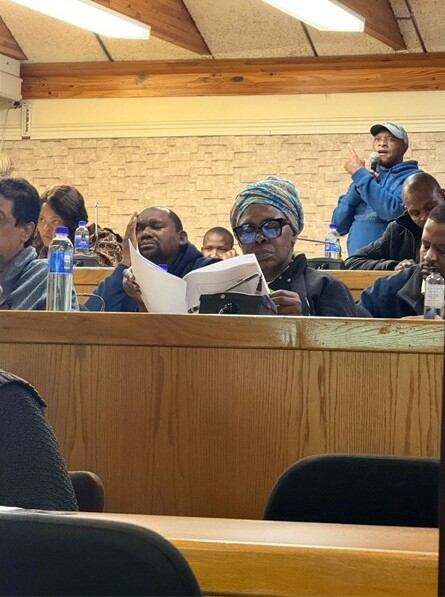
Another resident, Nomsa Mthembu, echoed affordability concerns, particularly for working families.
“We understand the need for development, but the metro must strike a balance.
“People are already struggling to keep up with rising living costs. A 10% increase on water is simply too much for ordinary residents,” she said.
Despite the concerns, residents were encouraged to continue participating in the process.
The metro has given the public until May 4 to submit comments and inputs on the Draft IDP and budget proposals.
Do you have more information about the story?
Please send us an email to bennittb@rekord.co.za or phone us on 083 625 4114.
For free breaking and community news, visit Rekord’s websites: Rekord East
For more news and interesting articles, like Rekord on Facebook, follow us on Twitter or Instagram or TikTok or WhatsApp Channel