Central residents’ react to March and March
Sentiments shared among residents suggest that the spotlight needs to be turned on local leadership and poor governance, rather than using undocumented immigrants as scapegoats.
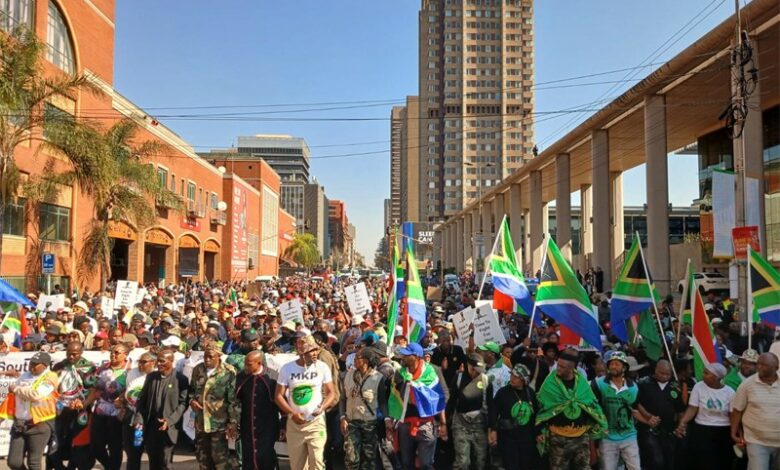
Two weeks after the nationwide March and March protests against illegal immigrants, Pretoria Central residents have expressed mixed opinions on the current feelings surrounding undocumented foreign nationals.
The nation was filled with anxious anticipation as the large-scale protest approached, with repatriations and businesses and offices closing over fears of the violence experienced during the July 2021 unrest being a possibility once again.
Several stakeholders and officials expressed their relief that the protest action went off mostly without a hitch.
“Tshwane has been at the forefront of responding to citizens’ growing concerns about illegal immigration. In the past 18 months, we have led dozens of law enforcement operations that have successfully apprehended undocumented immigrants.
“We are cognisant of the economic and service delivery pressures felt by residents who are forced to share resources in a rapidly growing population. The peaceful demonstrations ensured that the essence of the grievances was heard by the government.
“Tshwane remains committed to continuing its by-law enforcement mandate,” said Tshwane’s Mayor Dr Nasiphi Moya, following the march.
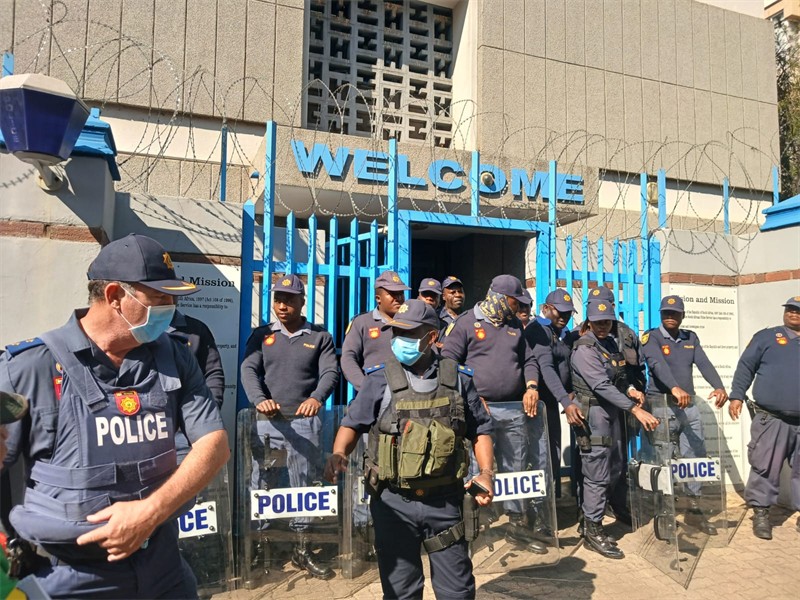
Here in Pretoria, all eyes were on the inner-city as protestors planned to converge on Church Square and then march to the Sunnyside Police Station to hand over a memorandum of demands related to undocumented immigrants.
The city’s security cluster also responded to smaller gatherings in Mamelodi, Bronkhorstspruit, Soshanguve, Nellmapius, Olievenhoutbosch, Stinkwater, Ga-Rankuwa, and Mabopane.
Protest activity from various political organisations, civic groups, and community organisations disrupted traffic flow to at least 10 streets in the inner city with over 1 000 protestors on the day.
Despite a mostly peaceful protest on the day, SAPS Tshwane District Communicator, Captain Johan van Dyk, confirmed one incident requiring police force, saying, “After the march concluded, a small group of men tried to force [their way] into Sunnypark. One stun grenade was used to disperse the group of men,” but no other incidents were recorded.
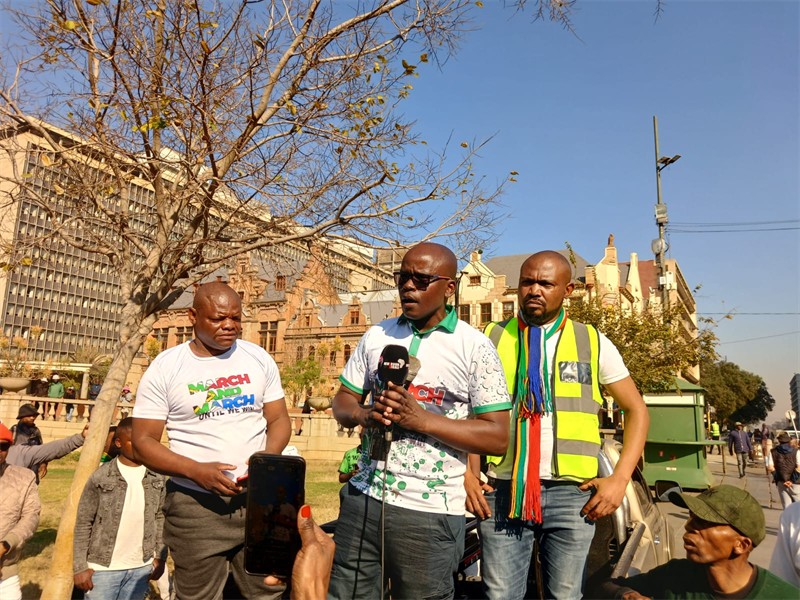
During the protests, March and March’s National Executive Member, Sandile Dube, said they were in Sunnyside to speak out against how their protests have been covered in the media. He insisted that their actions were peaceful and in the best interests of the country and denied claims that the group were vigilantes or xenophobic.
“We are taking our marches to the centres where these illegal foreigners are. We are calling on civic organisations in the countries where most of them reside to become active against their governments and build thriving democracies, instead of what we are seeing now,” Dube said on the day.
Speaking to residents’ reactions to the day’s events and the circumstances leading up to them, opinions varied.
“Yes, we have an immigration problem, but beating and harassing people won’t solve it,” said Martha Mahlangu.
“This is all down to the government; if we weren’t in this economic situation, the people wouldn’t be this angry. I think immigrants are an easy target because they’re in our communities, and we see them every day, when the real reason why South Africans are this frustrated has nothing to do with the Somali running a spaza down the road,” she said.
Student Pricilla Mamabolo says that she was most impressed with the day’s quietness.
“It was like a public holiday; they should protest more if the traffic were always like that. I feel most sorry for the businesses that had to close or a missed a day, but there are too many undocumented persons in the country, and the government isn’t moving fast enough; the people will. It’s just a shame that things like this must happen for people to listen.”
Dennis Horn says that local leadership needs to play a more proactive role in quelling these sentiments before they boil over, and 2021 does, in fact, become a reality again.
“The country needs more jobs and a stronger economy. Local leadership needs to be on the ground, engaging more to instead of ignoring the people’s grievances until it’s time to protest. The whole exercise seemed like a waste of money, with the hundreds of millions spent for no tangible solutions.
“If you come into the country, you need to be verified; that’s just the law anywhere. I think where the waters are muddied is when the messages get mixed, and people think all foreign nationals are targeted regardless. A lot of miscommunication led to the on-edge feelings, and proper communication will lead to more productive results,” Horn said.
Do you have more information about the story?
Please send us an email to bennittb@rekord.co.za or phone us on 083 625 4114.
For free breaking and community news, visit Rekord’s websites: Rekord East
For more news and interesting articles, like Rekord on Facebook, follow us on Twitter or Instagram or TikTok or WhatsApp Channel