60 000 plus pigs culled in Pretoria
Seven outbreaks of African Swine Flu in Tshwane metro since November 2025 have affected more than 69 000 pigs, with about 60 000 being culled. The DA says the Gauteng government must urgently implement a transparent reaction plan to limit further losses, threatened job opportunities and food security risks.
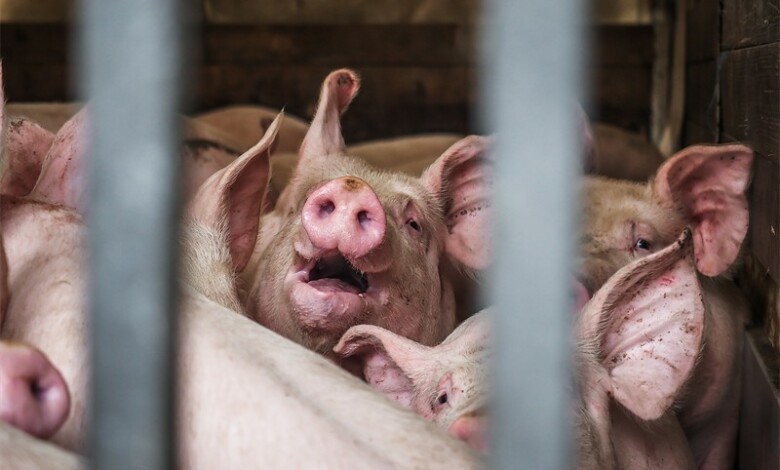
The Gauteng pig industry has already lost more than R10-million due to seven outbreaks of the African swine flu (ASF), which were reported in Tshwane metro since November 2025.
About 60 000 pigs were culled because of the outbreaks.
According to DA MP Bronwynn Engelbrecht, a total of 69 171 pigs have been affected.
She said the South African Pork Producing Organisation (SAPPO) has already incurred an estimated R10-million in costs, including the culling and removal of animals, as well as labour costs.
According to her, this amount does not include the direct financial losses of the farmers.
The losses, according to Engelbrecht, has not been fully submitted at the Gauteng Department of Agriculture and Rural Development.
The extent of the crisis was revealed by Vuyiswa Ramokgopa, the Gauteng MEC for Agriculture and Rural Development, in an oral response to questions submitted by the DA in the Gauteng Provincial Legislature.
“The outbreaks are not merely an animal health crisis, but a direct threat for farmers, farm workers, food security and Gauteng’s meat industry,” Engelbrecht believes.
The province is still struggling with the effects of foot-and-mouth disease, while pig farmers in the city and the extended metro now have to deal with a biological and financial disaster.
According to Ramokgopa, the department provides advice and supervision, and liaises with the national government, SAPPO and private veterinarians.
However, Engelbrecht believes that farmers need more than advice, because the disaster has already struck.
She argued that Ramokgopa’s answer offers little comfort that the department has a pro-active, fully funded and transparent plan for managing the outbreaks in place.
She appealed to the MEC to urgently present a clear plan for the management of African swine flu.
According to Engelbrecht, the plan must have a detailed map of outbreaks, regular public updates, the number of farms affected by district and farming category, and a complete assessment of losses included.
The assessment must, according to her, focus not only on the cost undertaken by industrial organisations, but also on the direct financial impact on individual farmers.
Engelbrecht said it is unacceptable that farmers are left with mass depletion, rising costs and uncertainty while, according to her, the department only offers vague assurances.
“Every outbreak that is not quickly brought under control, threatens livelihoods, food security chains and consumer confidence,” she warned.
She further warned that agricultural diseases should not be treated as isolated incidents.
“These chronic outbreaks of animal diseases are warning signs of a wider failure in provincial preparation of animal health,” she urged.
The extent of the outbreaks has already led to large scale losses in the pork industry.
The exact total economic impact of the outbreaks are not yet known, as the direct losses of individual farmers have not yet fully been presented to the Gauteng Department of Agriculture and Rural Development.
Engelbrecht said Gauteng farmers deserve a government that protects them and not one who only confirms the damage after it has already occurred.
She said the DA Gauteng will continue to hold the provincial government accountable and push for complete transparency over the true economic impact of African swine flu, support given to farmers and the steps that need to be taken to prevent further outbreaks.
Inquiries were made to the national Department of Agriculture as well as the metro but no replies were received by the time of publication.
Do you have more information about the story?
Please send us an email to bennittb@rekord.co.za or phone us on 083 625 4114.
For free breaking and community news, visit Rekord’s websites: Rekord East
For more news and interesting articles, like Rekord on Facebook, follow us on Twitter or Instagram or TikTok or WhatsApp Channel