Metro appeals for community action to reduce Region 1 sewer blockages
Residents are urged to stop dumping waste into manholes after the metro said most sewer blockages across Region 1 are preventable.
Most sewer blockages affecting communities across Region 1 are being caused by human behaviour rather than infrastructure failures, according to the Tshwane Metro.
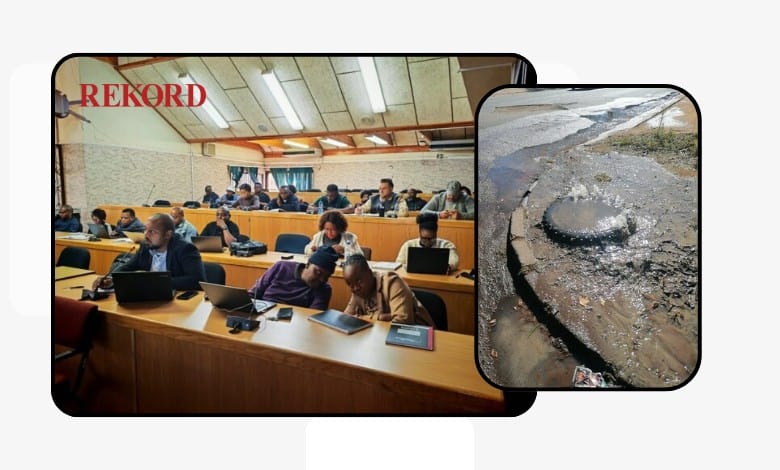
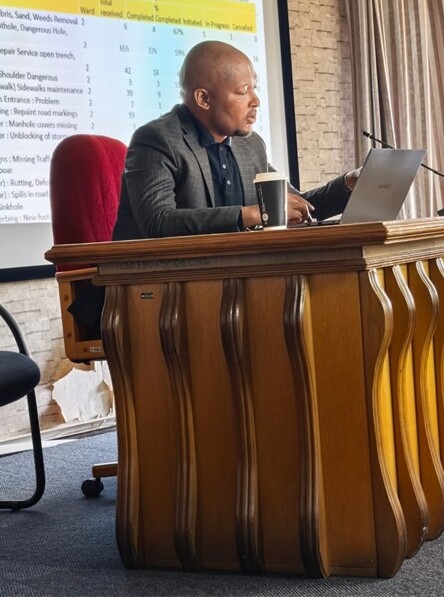
This statement was made during a recent Regional Councillors Forum held at the Akasia Municipal Chamber, where Region 1 councillors met with the Regional Head and MMC for Housing and Human Settlements, Alderman Aaron Maluleka, to review service delivery reports for the 2025/26 financial year.
The meeting assessed progress made on key service delivery programmes, including grass cutting, stormwater maintenance, pothole repairs, and tree pruning across the region.
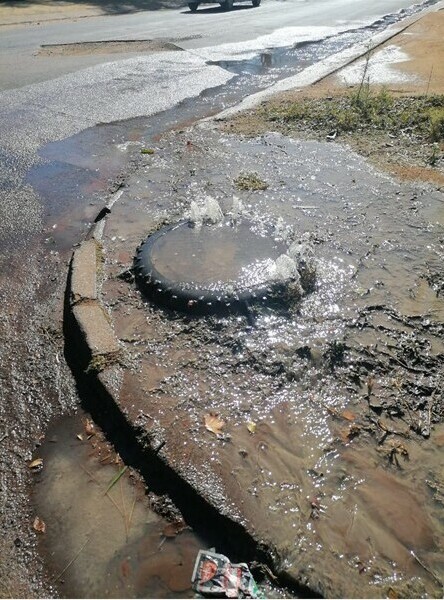
Photo: Supplied
Description: Sewer blockages emerged as one of the major concerns discussed in the councillor’s forum
Sewer blockages emerged as one of the major concerns discussed.
Addressing councillors, Maluleka said many of the sewer problems experienced in the region are avoidable.
“Most of the sewer blockages in Region 1 are man-made. We find clothes, people open manholes and dump rubbish inside,” said Maluleka.
He said the practice of dumping waste into the sewer network not only damages municipal infrastructure but also places unnecessary pressure on maintenance teams, resulting in avoidable service interruptions and increased repair costs.
The MMC urged residents to take greater responsibility for protecting public infrastructure, adding that municipal efforts alone would not be enough to resolve the recurring problem without community co-operation.
“Our teams work hard to respond to sewer blockages, but residents also have a responsibility to protect this infrastructure.
“Illegal dumping into manholes and sewer systems creates preventable blockages, delays service delivery and increases maintenance costs. We need communities to work with the metro to keep our sewer network functioning properly,” said Maluleka.
The latest discussions build on concerns previously raised by councillors regarding service delivery challenges affecting communities across Region 1.
At the previous meeting at the Akasia Municipal Chamber, councillors raised ongoing concerns relating to electricity outages, potholes, broken streetlights, sanitation problems, and overgrown grass affecting residents in several wards.
Officials from the metro’s water and sanitation and electricity departments attended the forum to respond to issues raised by councillors.
Ward 2 councillor Quentin Meyer described the forum as an important platform that allowed councillors to raise service delivery concerns directly with municipal departments. He also expressed disappointment over the low attendance of councillors, saying it weakened the effectiveness of the engagement.
Meyer said the majority of complaints centred on basic municipal services, with councillors highlighting delays in repairing streetlights, persistent potholes, sanitation challenges, overgrown grass and ongoing electricity disruptions.
He also raised concerns about repeated electricity outages affecting Wards 2 and 98, particularly the recurring weekend power interruptions that continue to frustrate residents.
During those discussions, municipal officials indicated that funding had been allocated for upgrades to the Van Riebeeck Substation, where ageing infrastructure is expected to be replaced.
Meyer welcomed the announcement but stressed that residents wanted to see implementation rather than continued promises.
He also criticised what he viewed as an excessive focus on budget discussions instead of practical solutions and firm timelines for addressing service delivery backlogs.
The latest Regional Councillors Forum shifted some attention towards the growing impact of preventable sewer blockages, with municipal leadership emphasising that public co-operation is essential to improving sanitation services.
According to the metro, foreign objects such as clothing, household refuse, and illegally dumped waste regularly obstruct sewer pipelines, leading to overflowing manholes, sewage spills and costly maintenance operations.
In some instances, damaged or illegally opened manholes also create safety hazards while allowing additional debris to enter the sewer system.
Maluleka said addressing infrastructure challenges requires a shared responsibility between the municipality and residents.
He urged communities to dispose of waste responsibly, avoid tampering with municipal infrastructure and report vandalism or illegal dumping to the relevant municipal authorities.
The municipality believes that reducing preventable sewer blockages will allow maintenance teams to focus more effectively on planned infrastructure improvements and other service delivery priorities across Region 1, while improving sanitation services and reducing unnecessary disruptions experienced by residents.
Do you have more information about the story?
Please send us an email to bennittb@rekord.co.za or phone us on 083 625 4114.
For free breaking and community news, visit Rekord’s websites: Rekord East
For more news and interesting articles, like Rekord on Facebook, follow us on Twitter or Instagram or TikTok or WhatsApp Channel