Inside Resthill Memory Care’s mission to redefine dementia support
What started with three residents has grown into a big home offering specialised care, community and dignity for people living with dementia.
A Place Called Home: How Resthill Memory Care Is Changing the Story of Dementia
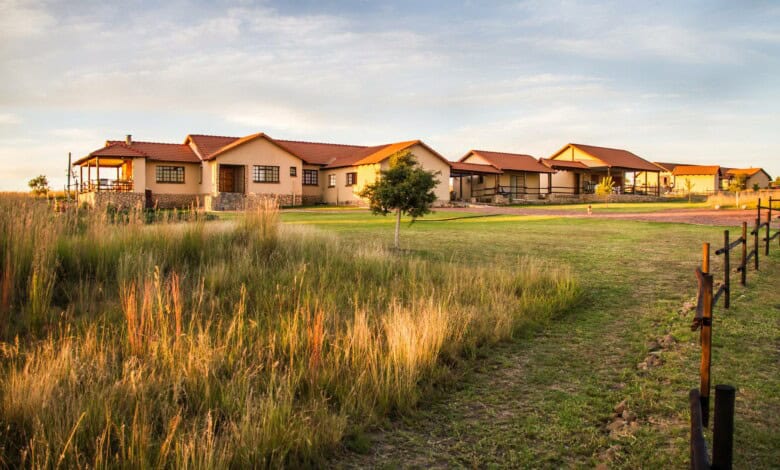
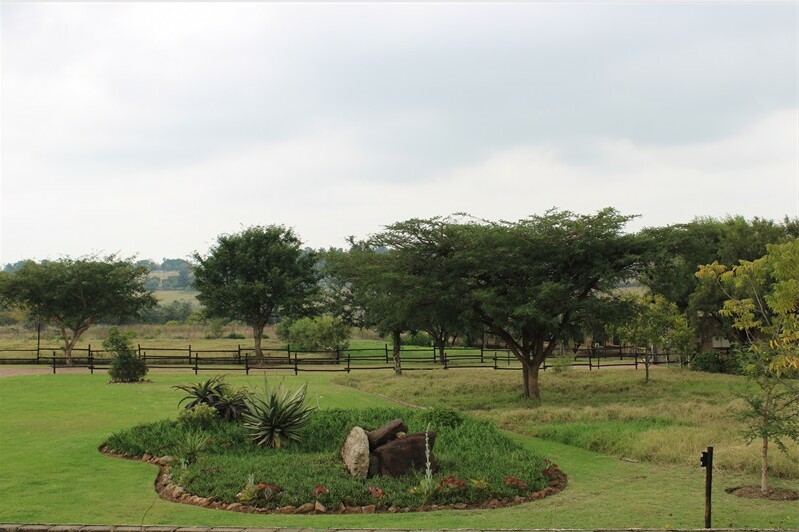
Tucked away in the peaceful countryside, halfway between Centurion and Lanseria Airport, there is a place where dementia care looks, and feel different. It is home.
At Resthill Memory Care, the focus isn’t on the illness only. It’s on people, dignity, and the quiet, powerful idea that even when memories fade, a sense of belonging shouldn’t.
What began as a deeply personal journey has grown into a thriving care community – one that continues to redefine how families experience dementia support.
From One Family’s Story to a Community of Care
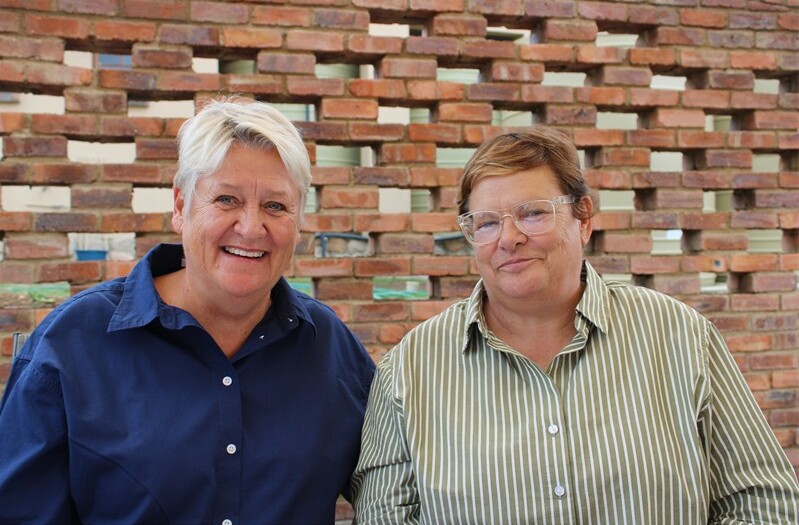
The heart behind Resthill is its founder, Esmarie Venier. A psychiatric registered nurse by profession, Venier never imagined that her life’s work would take such an intimate turn. But when her mother suffered a stroke, followed by a hip fracture and eventually dementia, everything changed.
Caring for her mother at home revealed a gap. One that many families quietly struggle with: how to provide compassionate, specialised care for someone living with memory-impacting conditions – where loneliness will be addressed and pets will be welcomed.
In 2011, Venier opened Resthill’s doors with just three residents – one of them her mother. It was small, personal, and deeply intentional. Over time, as more families sought this kind of care, Resthill evolved into a dedicated residential memory care facility. Today, it accommodates up to 40 residents across four thoughtfully designed homes, supported by a team of around 50 full-time, dementia-trained staff.
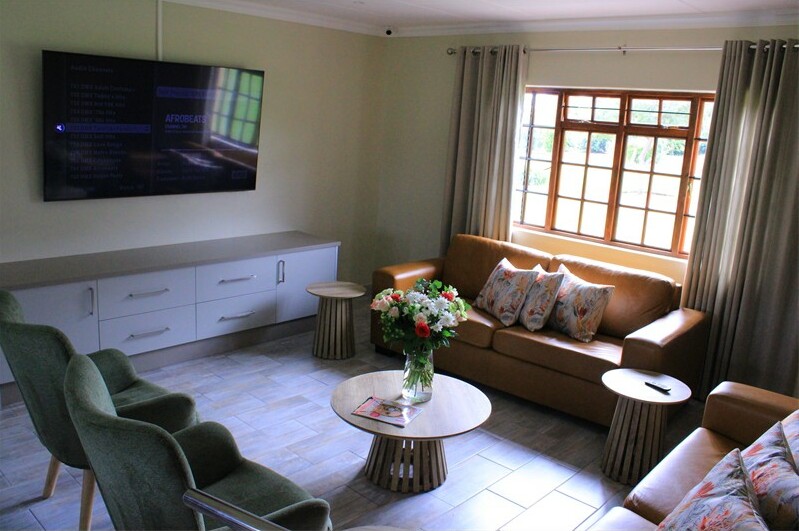
Image: Tshiamo Boikhutso.
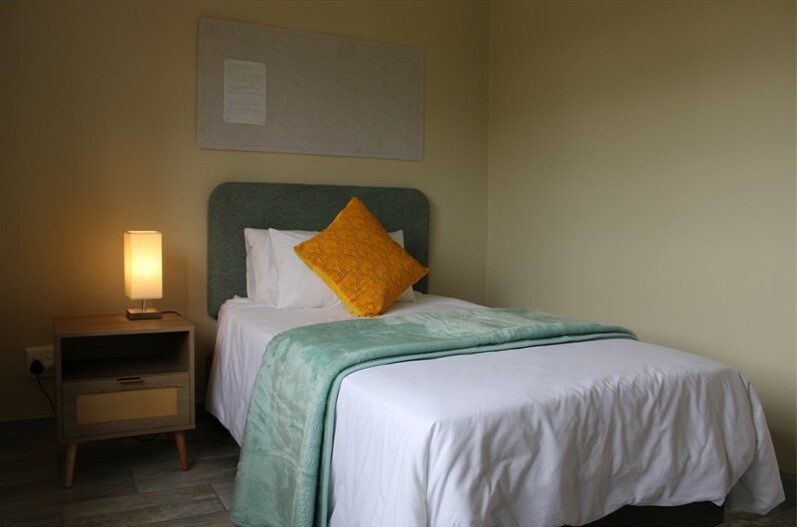
Image: Tshiamo Boikhutso.
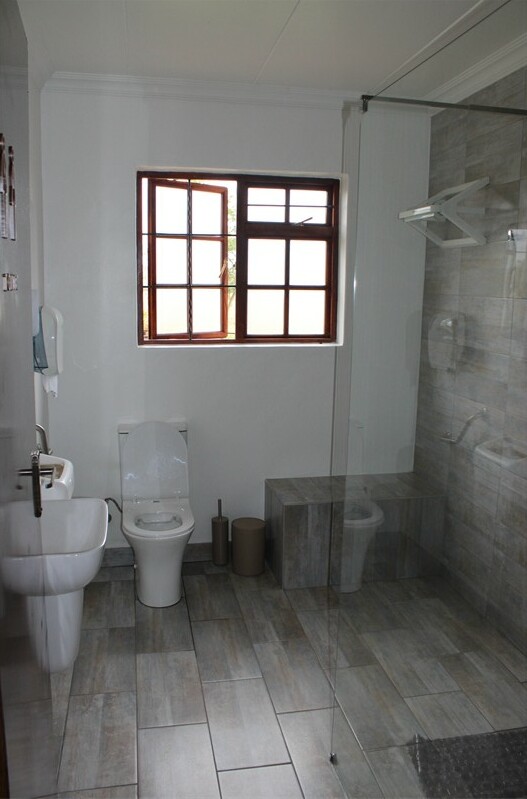
Image: Tshiamo Boikhutso.
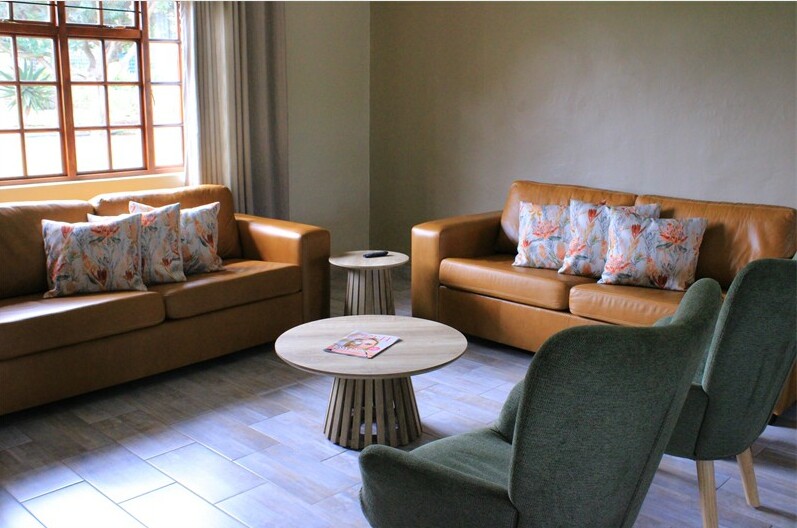
Image: Tshiamo Boikhutso.
More Than Care – A Way of Living
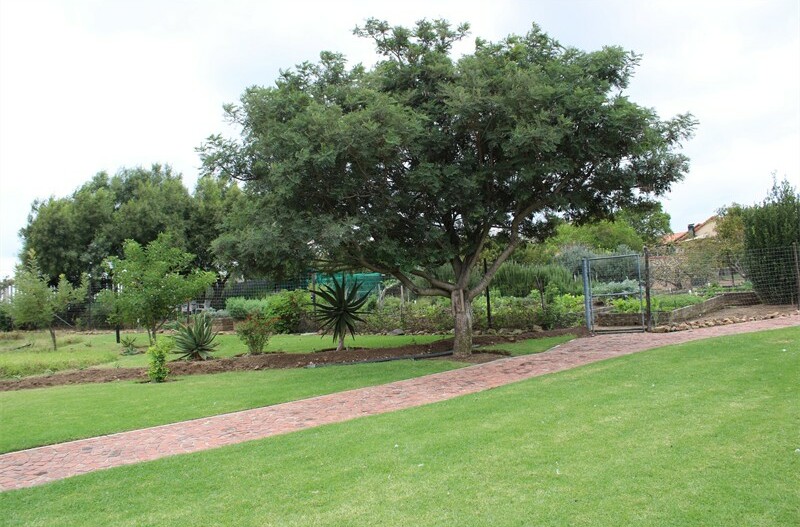
Step onto the Resthill property and you’ll notice something immediately – it doesn’t feel like a facility. It is home.
That’s by design.
“We don’t treat residents as patients,” Venier explains. “They have memory-impacting conditions such as dementia, but they are not defined by illness. This is their home.”
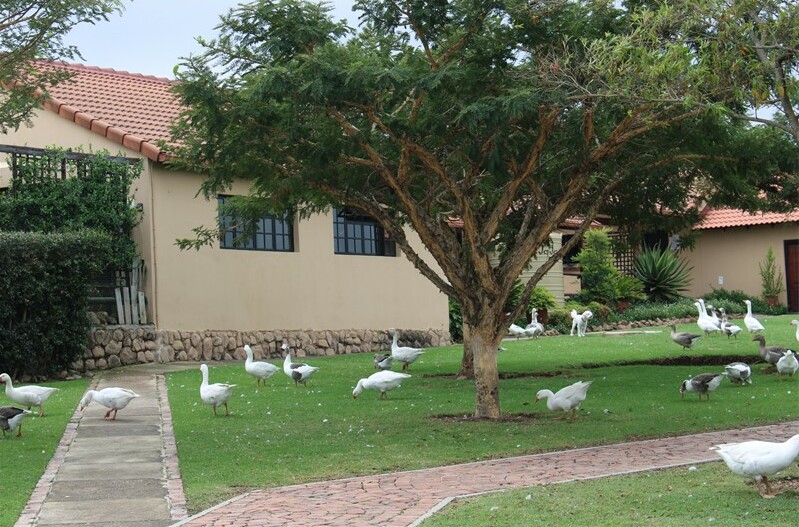
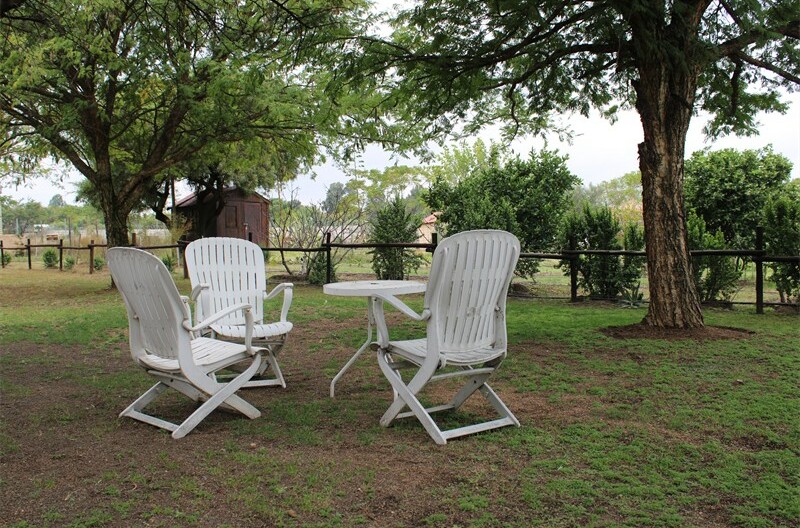
The setting reinforces that philosophy. With its country-style atmosphere, open spaces, and pet-friendly accommodation, Resthill creates a calming, familiar environment. Something especially important for people living with dementia, where routine and comfort can make all the difference.
Care here is also highly individualised. Residents are supported based on their stage of dementia, personality, and personal history. Because no two journeys with dementia are the same.
Four Homes, One Philosophy
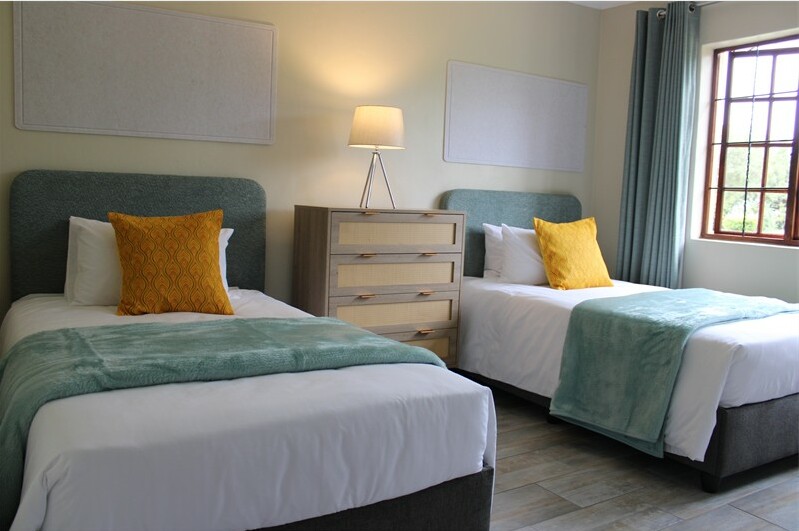
One of Resthill’s most distinctive features is its four-home structure, each tailored to the different stages of dementia:
- Galpinii, the newest addition (opened April 2026), focuses specifically on “Younger Onset Dementia” (YOD) . Younger individuals living with dementia, are often an overlooked group. With space for just eight residents, it offers a more age-appropriate environment for those who may feel out of place in traditional elderly care settings.
- Burkei supports residents in the mid-stages of dementia who still maintain a degree of independence but need help with medication and daily routines.
- Robusta provides more intensive, personalised care for those in advanced stages of dementia.
- Karroo focuses on palliative care, offering compassionate, specialised support during the final stages of life.
Residents may move between these homes as their needs change, ensuring continuity of care in a familiar environment, with familiar staff – a detail family often find reassuring.
The People Behind the Care
Behind the scenes, Resthill’s team is constantly learning. Staff undergo monthly training in dementia care and related topics, helping them stay up to date with best practices and better understand each resident’s unique needs and background.
This commitment to growth is part of what keeps the care deeply human.
“There’s no one-size-fits-all approach,” says director Alet Snyman. “Understanding dementia – really understanding it – changes how you care for someone.”
Dementia, she explains, isn’t a single condition but an umbrella term for various neurodegenerative disorders, each affecting the brain differently. That knowledge shapes everything from communication to daily routines.
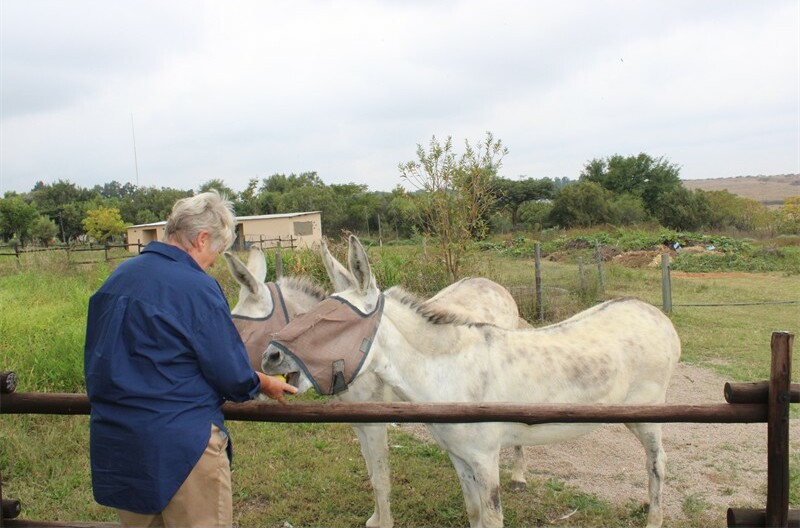
Image: Tshiamo Boikhutso.
Supporting Families Through the Journey
At Resthill, care extends far beyond residents – it embraces their families too.
Dementia can be especially painful for loved ones. Particularly the adult children or life partner, who must come to terms with a parent or partner, no longer recognising them.
Continuous and transparent communication with the families, are therefore also one of the things that Resthill really focuses on.
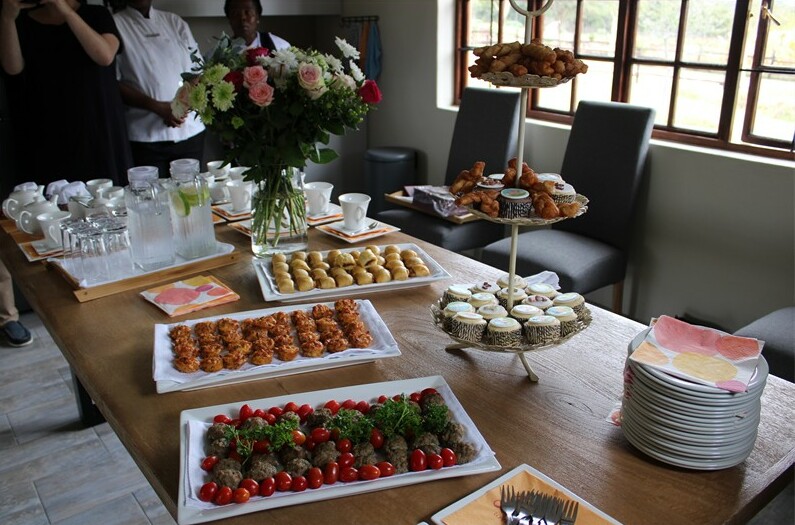
To help navigate this emotional terrain, Resthill also hosts family days twice a year. What started as a small gathering of 10 families has grown into a vibrant community event welcoming around 80 family members and close friends. These gatherings create space for connection, shared experiences, and mutual support.
It’s a reminder that no one has to walk this road alone.
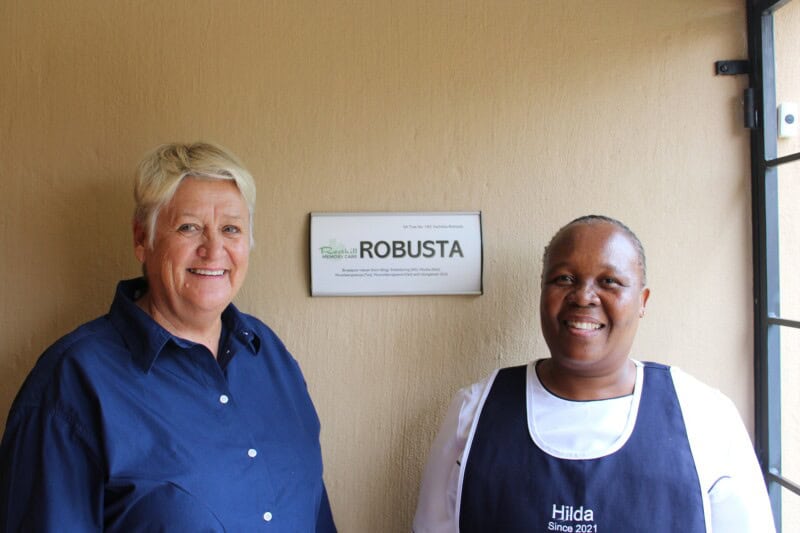
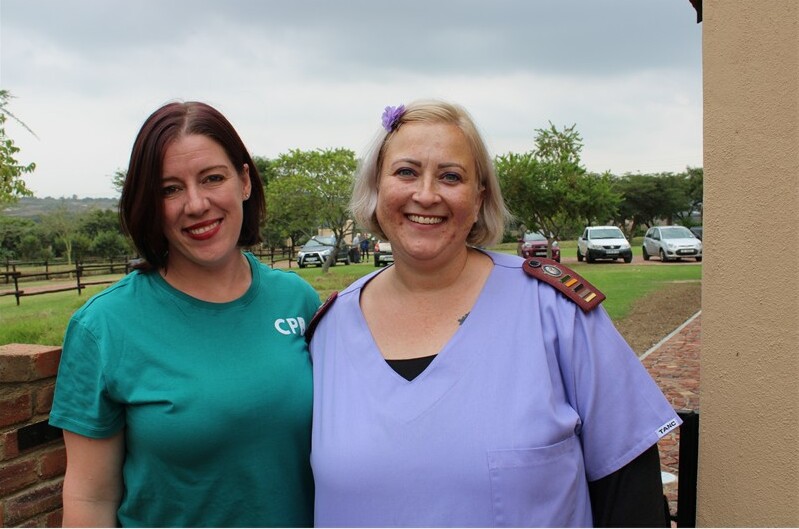
Image: Tshiamo Boikhutso.
Small Moments, Big Meaning
Perhaps the most powerful part of Resthill’s approach lies in the little things.
A familiar song. A gentle tone of voice. A favourite sweet treat.
“These small gestures can make all the difference,” Snyman says. “It’s about how you approach someone – kindness builds trust.”
For residents who may feel confused or uncertain, these moments of reassurance can bring comfort and calm in ways that medicine cannot.
Looking Ahead
Venier and Snyman considers expanding their work into a teaching facility, particularly to educate caregivers in rural communities about dementia. The idea is simple but powerful: to replace fear and misunderstanding with knowledge and empathy.
The spirit of education is woven into everything they do.
Because at its core, Resthill isn’t just about care—it’s about changing perceptions.
It’s about showing that even in the face of memory loss, there can still be connection, joy, and a place to call home.
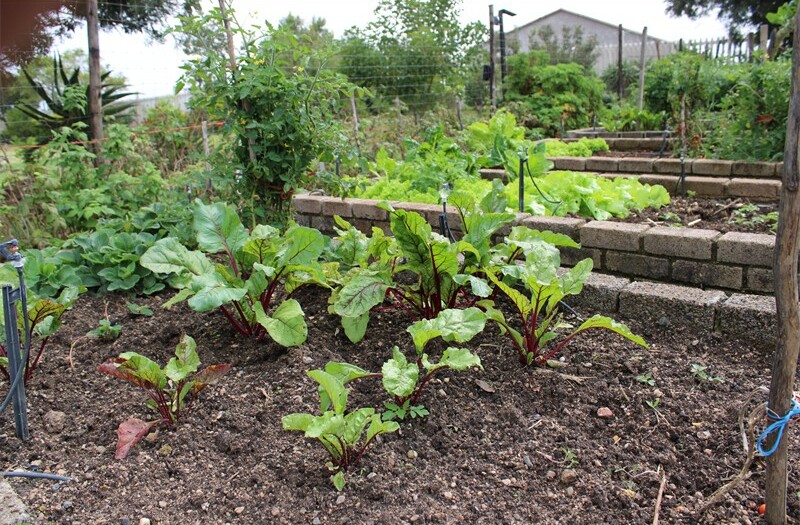
Image: Tshiamo Boikhutso.

- For more information please contact Resthill Memory Care 083 461 4321
- hallo@resthill.co.za
- www.resthill.co.za
Do you have more information about the story?
Please send us an email to bennittb@rekord.co.za or phone us on 083 625 4114.
For free breaking and community news, visit Rekord’s websites: Rekord East
For more news and interesting articles, like Rekord on Facebook, follow us on Twitter or Instagram or TikTok or WhatsApp Channel