Eskom plans to unbundle energy rates
Eskom says if the plans are implemented, the new tariff structures would reflect cost drivers more accurately, protect all customers’ interests, avoid unfair cross-subsidies and enable fair recovery of costs by all users of the grid.
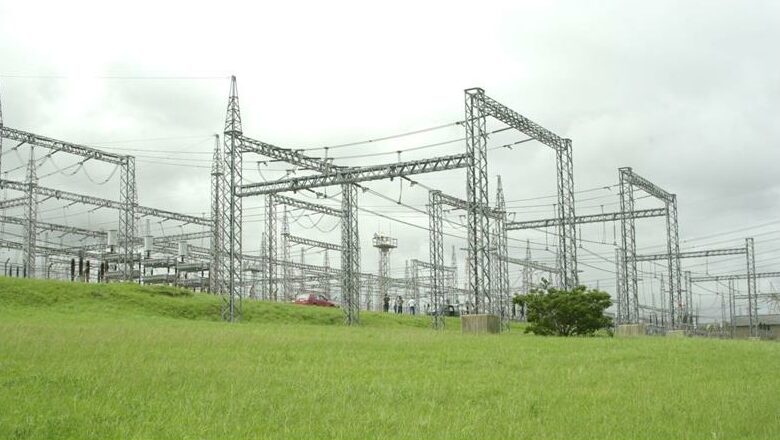
Eskom is forging ahead with plans to add new generation capacity in its recently submitted plan to restructure its electricity tariffs.
The power utility said it was proposing changes to its tariffs as the current rates no longer reflected the different services it provided and costs per division.
On Friday, Eskom asked the national energy regulator of South Africa (Nersa) to approve the changes it made to its ‘retail’ tariffs for next year.
Eskom last revised its tariff structures in 2012.
It is expected to be split into three entities – generation, distribution and transmission – and it has said the new tariffs needed to evolve to ensure adequate recovery of revenue.
Spokesperson Sikonathi Mantshantsha said the new tariffs should reflect energy, network and service charges to reflect cost drivers more accurately, protect all customers’ interests, avoid unfair cross-subsidies, enable fair recovery of costs and provide the correct economic signals.
Eskom executive for distribution, Monde Bala said: “Existing tariff structures are outdated and need to be modernised to reflect the changing electricity environment and crucial decisions in this regard are needed to protect the electricity industry”.
He said customers are installing their own power generators and using the grid differently while the wheeling of energy is also expanding.
“Fair and equitable revenue recovery from all customers for the services provided can only happen with tariffs and tariff structures that are modernised to reflect this changing environment,” he said.
Bala said the proposed changes to tariffs are based on an updated cost-of-supply study for optimal use of the country’s electricity systems.
He said the retail tariffs recover the approved multi-year price determination (MYPD) revenue for the whole of Eskom.
“The consequences of applying average increases is that there is currently no link between the charges raised and the approved cost per division,” said Eskom.
“Tariffs, therefore, need to be updated to accurately reflect current Eskom divisional cost and avoid unintended and unwarranted cross-subsidies.”
Currently Eskom distribution sets the retail tariffs for all customers.
LISTEN:
https://soundcloud.com/thato-mahope/shirley-salvodi-eskom?utm_source=clipboard&utm_medium=text&utm_campaign=social_sharing
President Cyril Ramaphosa recently announced changes to the regulations on generation to allow municipalities to buy power from independent producers saying this would encourage businesses and households to invest in rooftop solar.
He said Eskom would develop the rules and tariffs for the municipalities to buy from the independent producers.
Nersa will hold a public consultation process before deciding on the proposed new tariffs.
More information on Eskom’s new tariffs, go to www.eskom.co.za/distribution/tariff-restructuring-plan/
Do you have more information about the story?
Please send us an email to editorial@rekord.co.za or phone us on 083 625 4114.
For free breaking and community news, visit Rekord’s websites: Rekord East
For more news and interesting articles, like Rekord on Facebook, follow us on Twitter or Instagram