Economist applauds Tshwane’s aggressive revenue collection
“We cannot have an indefinite cross-subsidisation from those who pay to those who use but do not pay – it is an unsustainable business model.”
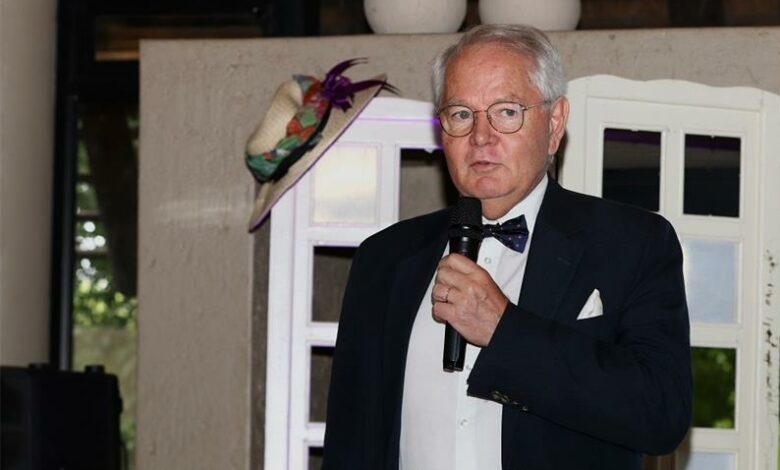
While Tshwane metro councillors have been at loggerheads on its aggressive revenue collection campaign, an economist has applauded the municipality.
“Of course, they need to disconnect people that owe them money because they cannot give free services to people that should pay,” Wits business school Professor Jannie Rossouw said in an interview with Rekord this week.
In February, Tshwane metro started cutting electricity and throttling water delivery to non-paying businesses and residential homes after an adjusted budget report raised concerns about worsening finances.
The 2021/22 adjusted budget report said the municipality’s cash and short-term investments as of December 31, 2021, amounted to R200-million with a bank overdraft of R833-million.
ANC councillors were not happy about the campaign.
Rossouw said the municipality needed the campaign to regain financial stability.
He said municipalities are largely dependent on revenue collection to deliver services to residents.
“If it is not collecting revenue, it cannot cover its expenditure and it will be in trouble.”
Rossouw said residents that do not pay for municipal services were a burden to those who do pay.
“We cannot have an indefinite cross-subsidisation from those who pay to those who use but do not pay – it is an unsustainable business model.”
The coalition government in Gauteng further exacerbates financial management problems, Rossouw said.
“Unstable coalitions are not very good at managing municipalities, the politicians are always busy trying to reaffirm their own positions. Tshwane must focus on revenue collection.”
Rossouw said for the economy to grow and the high unemployment rate to decrease, municipalities needed to deliver on their mandate.
“Eskom must supply electricity on an uninterrupted basis and municipalities must function, those are the two preconditions to getting our economy stable.
“Without this, the unemployment rate will not decrease significantly for the next three years.”
Rossouw said while the economy was unstable he believed that businesses and civil society would “muddle through” and survive.
According to a Statistics SA report released in August, the youth remain vulnerable to unemployment. In the second quarter of 2022 unemployed youth (aged 15-34) increased by 92 000 to 4.8 million from the first quarter.
The overall unemployment rate was at 33.9% a decrease from 34.5% in the first quarter.
Statistics SA also said that 648 000 jobs were gained.
“The biggest job gains were recorded in community and social services (276 000), trade (169 000), finance (128 000) and construction (104 000) sectors. However, there were job losses in manufacturing (73 000) and transport (54 000).
“The total number of persons employed was 15.6 million in the second quarter of 2022.”
Do you have more information about the story?
Please send us an email to editorial@rekord.co.za or phone us on 083 625 4114.
For free breaking and community news, visit Rekord’s websites: Rekord East
For more news and interesting articles, like Rekord on Facebook, follow us on Twitter or Instagram