Metro’s transport cutback adds over R11m to coffers
Tshwane had been paying R5.7-million per month for leased vehicles to service providers.
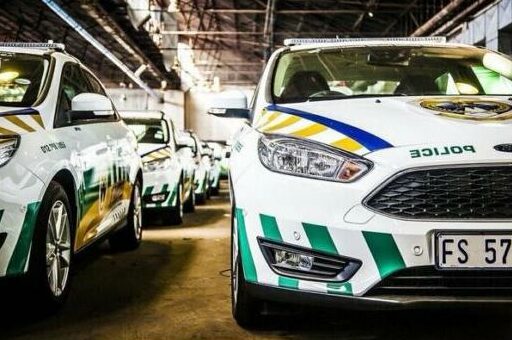
The Tshwane metro has managed to save about R11-million since undergoing a de-fleeting process in May, according to mayor Randall Williams.
Leased vehicles had been costing the metro R5.7-million per month.
Williams announced the coalition’s success on this unnecessary spending this week at the Tshwane metro headquarters in the Pretoria CBD.
“The City has successfully de-fleeted vehicles amounting to the savings of over R11-million.”
He said the operation of de-fleeting would see the metro having ownership of a new fleet of vehicles soon.
The metro hastily had to return several vehicles to its depot earlier this year, facing threats of it being remotely switched off and blocked from refuelling.
The de-fleeting process had seen the metro release about 670 vehicles in total.
Tshwane mayoral spokesperson said the metro had been returning vehicles as their leases expired.
“These vehicles had already been de-fleeted as the leases had expired on a rolling basis from August 2021.
“As they [leases] expire, the service providers come and take them. Our priority now is to completely de-fleet and own all our vehicles outright.”
The recall came following a dispute heard in court in May between Absa vehicle management solutions and Alliance Fleet (Moipone), according to Stuurman.
“The bank financing the supplier obtained a court interdict against the supplier, ordering it to return the vehicles.”
Stuurman said the urgent rush for officials to return the vehicles was to comply with the court order.
“We assume the supplier failed to make payments after the contract ended with Tshwane,” said Stuurman.
Stuurman said the metro was not involved in the so-called “repossession” of the vehicles as the matter was between the bank and fleet supplier.
“Tshwane began acquiring its own vehicles in 2018 in anticipation of these leases ending in 2021.
“R100-million had been allocated for the current financial year to continue a programme to acquire our own fleet, which targeted cutting down excess fleet costs.”
He said as the metro was in the process of purchasing new vehicles, it had diverted vehicles from some departments to ensure a continuation of services.
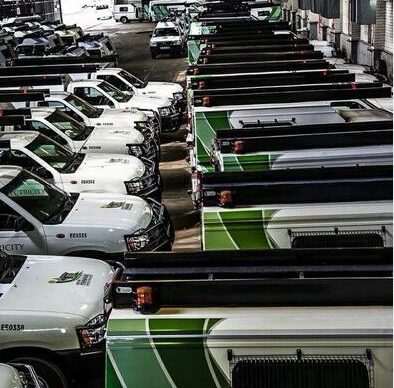
Tshwane outsourced a large part of its fleet services to service providers.
In 2016, the metro awarded fleet contracts to three service providers. These vehicles included anything from waste management vehicles to ambulances and firefighting vehicles.
Corporate and shared services MMC Kingsley Wakelin said at the time of de-fleeting, a site visit to the metro’s four major fleet workshops had played a pivotal role in implementing a new fleet management strategy.
Wakelin expected for the new strategy to reduce annual leasing costs from R400-million to around R120-million.
“This administration is serious about cutting unnecessary and expensive costs.”
Do you have more information about the story?
Please send us an email to editorial@rekord.co.za or phone us on 083 625 4114.
For free breaking and community news, visit Rekord’s websites: Rekord East
For more news and interesting articles, like Rekord on Facebook, follow us on Twitter or Instagram