Massive structural changes proposed after Tshwane pylon collapse
Eskom says that rebuilding a fallen tower amounted to about R4-million while replacing stolen tower members was between R40 000 to R200 000.
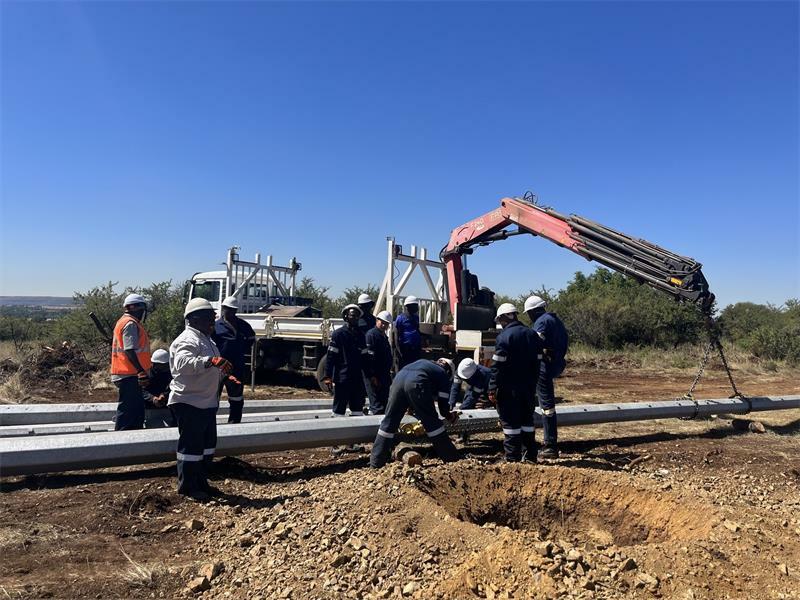
The Tshwane metro wants to replace a large portion of its lattice steel pylon structures with steel monopole structures to prevent a repeat of the incident in which seven collapsed in early April.
The collapse, between Simon Vermooten Road and Solomon Mahlangu Drive, caused a power blackout in more than 34 areas as well as a multi-vehicle crash on the N4 highway.
The cause of the disruption was due to seven pylons collapsing over the N4 highway, leaving powerlines hanging and lives endangered.
The collapse was blamed on vandalism and theft.
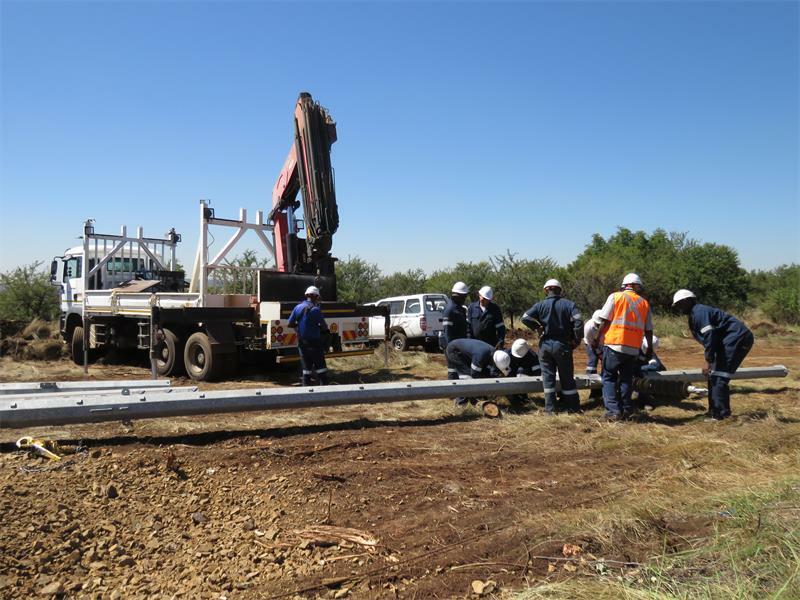
Tshwane’s proposal to replace numerous lattice structures has, however, not yet been set in stone because of budget constraints.
The proposal comes as critical electricity infrastructure is targeted by criminals and vandals, placing people in danger.
Criminals are stealing metal from the high-voltage electricity towers, and this weakens the towers. Often, they then fall over during heavy storms, causing long power outages and danger to the public pic.twitter.com/MOOzl0td45
— Eskom Hld SOC Ltd (@Eskom_SA) March 30, 2023
Residents in Pretoria east, Centurion and Pretoria North were affected as the complete reinstallation of the power lines took six days.
In the meantime, the N4 was closed for about five hours to complete the stringing by teams contracted from Gauteng, Limpopo and Mpumalanga.
Tshwane said it was still collating the costs it incurred after it contracted Eskom to assist in reinstalling the steel monopoles and power lines.
Eskom said that rebuilding a fallen tower amounted to about R4-million while replacing stolen tower members was between R40 000 to R200 000.
During the repair stage, Tshwane said it lost 300MW since the collapse.
The proposal by Tshwane will target high-risk areas.
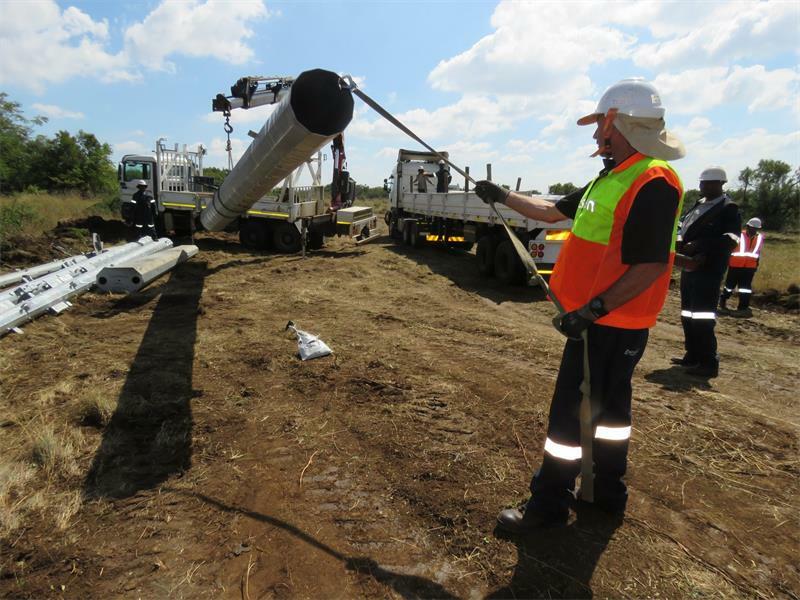
“The interim proposal to replace the lattice steel pylons with monopoles will need proper planning and budget availability,” said metro spokesperson Lindela Mashigo.
“The cost for the pylon repairs has not been concluded yet. Eskom is currently consolidating its cost, which will be passed on to Tshwane for the final figures to be confirmed.”
The metro has since the incident begun performing regular security patrols at pylon sites as a precaution against theft and vandalism.
“Regular inspection is also being held more frequently by technical teams and security personnel to identify any potential risk,” said Mashigo.
He said the metro had often found numerous pylons vandalised and had repaired them by replacing the missing pieces of steel; however, due to some damaged pylons being in remote areas, it was difficult for law enforcement to catch perpetrators in the act.
No arrests had been made since.
Mashigo further said the metro had not received any legal claims as a result of the collapse of the pylons; however, if any arose, they would be appraised through its legal department when lodged.
Eskom said that “the challenge of vandalised pylons has been plaguing Eskom of late”.
“Of recent, five towers collapsed in the Hammanskraal area after those part of the Tshwane networks collapsed.”
Eskom said the issue had extended to municipalities as they were contracted by Tshwane to conduct the repair work entailing the reinstallation of the poles and conductors.
“Incidents of theft and vandalism have resulted in the loss of revenue and increased replacement costs for Eskom. These criminal acts do not only affect Eskom, but they inconvenience paying customers, healthcare, education facilities, businesses, and the economy at large.”
Eskom said it would continue to work with any authority to strengthen efforts in fighting crime and those targeting critical infrastructure.
It’s said the state-owned enterprise would continue conducting risk assessments to classify and identify hotspot areas as well as work with other agencies.
“Security guards are strategically stationed at hotspot sites and are complemented by armed response patrols.
“Armed response patrols are conducted at interval periods at the identified routes and spots. We also partner and collaborate with community members, community security companies, business forums and SAPS to try to reduce theft and vandalism of the electricity infrastructure,” said Eskom.
The power utility said it would continue to investigate alternative measures that could assist with the crime such as partnering with law enforcement agencies and scrap dealers to monitor its stolen infrastructure.
“We hope that members of the public will report any such illegal activities on our network so that criminals are brought to book.
“We further believe that these criminals would realise the negative impact their unscrupulous acts have on people’s lives and the economy and desist from continuing in these activities.”
The stringing of the newly installed powerlines over the N4 road has been completed. Teams from Eskom worked safely and complied with safety regulations. We are still on site as work progresses. pic.twitter.com/Vk9xSHViLy
— Eskom Hld SOC Ltd (@Eskom_SA) April 18, 2023
Do you have more information about the story?
Please send us an email to editorial@rekord.co.za or phone us on 083 625 4114.
For free breaking and community news, visit Rekord’s websites: Rekord East
For more news and interesting articles, like Rekord on Facebook, follow us on Twitter or Instagram