Metro officials push for lawful processes in township developments
Officials stress that lawful township development protects investments, ensures safety, and allows proper collection of essential service payments.
After completing the first round of public participatory meetings on illegal townships, MMC for Human Settlements, Alderman Aaron Maluleka is encouraging residents seeking to establish new townships to seek municipal approval first.
Since the start of the month, the Illegal Township Mayoral Sub-Committee has aimed to foster a culture of legal land development with its engagements on illegal townships across the metro.
Maluleka, who serves as chairperson of the committee, says the special task team is made up of members of the mayoral committee.
It is supported by a technical working committee made up of officials and was established to investigate and develop a policy response to the growing number of illegal township developments in Tshwane.
Seventeen illegally established townships/developments, primarily within the city’s boundaries, were identified.
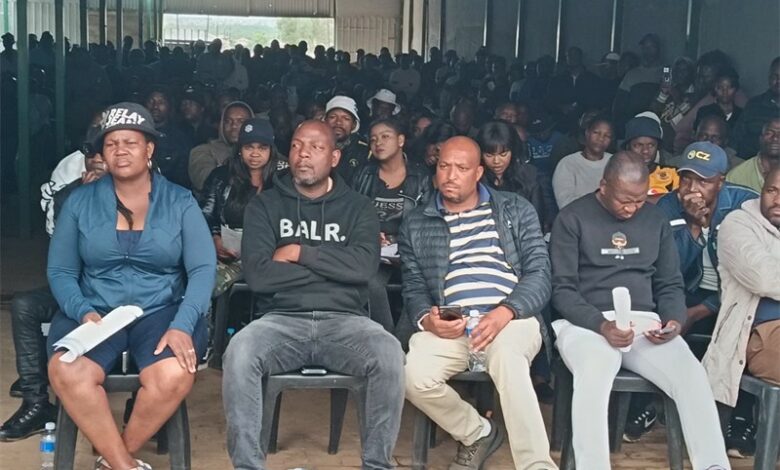
Maluleka and stakeholders conducted public participation meetings in all regions with the residents affected by illegal townships throughout the metro throughout the first week of November.
As part of the first round of engagements, the subcommittee met with communities in Leeuwfontein, Moloto City, Rapao Village, Elandsfontein Plots, Moshate Gardens, Medline, Morula View and Laezonia.
“During the engagements, the mayoral subcommittee and city officials stressed the importance of carrying out feasibility studies and submitting proper land development applications that comply with the municipal land use management by-laws, the National Building Regulations and the Spatial Planning and Land Use Management Act.
“Communities were reminded that these requirements are essential for safe, sustainable and lawful development,” Maluleka said.
The MMC said these consultations form part of the city’s broader engagement process with the identified 17 illegal townships and others across Tshwane.
The aim is to assess their current status and develop practical mechanisms and measures to address their illegality and ensure that future development follows the correct legal processes.
The committee has identified two types of illegal property development, the first being individual property owners who act outside of legislation by using their own property without obtaining the necessary authorisations for the land use they are exercising or structures they are building.
The second category is property owners who permit individual developments on their property without proper zoning authorisation.
“The city warns that unauthorised developments not only violate municipal by-laws, but also lead to significant revenue losses through uncollected payments for water, electricity and waste services.
“These losses reduce the city’s ability to maintain existing services and invest in new infrastructure for all residents.
“Residents and developers are encouraged to work closely with relevant municipal departments before starting any new development to ensure compliance and to protect their investments,” Maluleka added.
He insisted that residents were willing to comply and support the city’s efforts during the public meetings and also appealed to the city not to demolish their homes, and committed to working with officials to ensure their developments become compliant.
Do you have more information about the story?
Please send us an email to bennittb@rekord.co.za or phone us on 083 625 4114.
For free breaking and community news, visit Rekord’s websites: Rekord East
For more news and interesting articles, like Rekord on Facebook, follow us on Twitter or Instagram or TikTok.