It’s back to Super 14 in 2021, Sunwolves to be kicked out of SuperRugby
In light of rugby fans’ declining interest in SuperRugby, probably due to the clumsy format of the tournament, SANZAAR has decided to return to a 14-team format and a full round robin before the play-off phase in 2021.
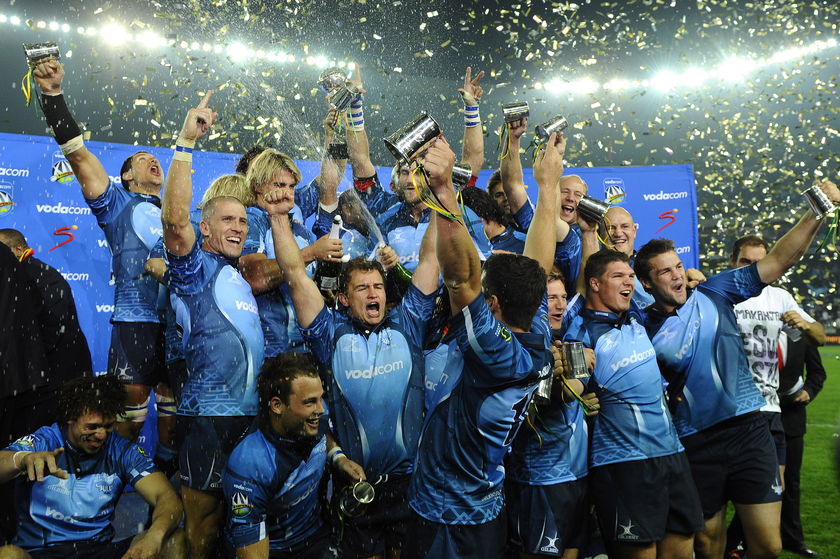
SANZAAR has announced that following a substantial review of Super Rugby over the last 18 months via a strategic planning process the immediate future of Super Rugby rests with a 14-team, round robin, competition format.
The revised format will come into operation in 2021. The Sunwolves from Japan will drop out of the existing 15-team Super Rugby competition at the end of the 2020 season.
“The decision to further consolidate the competition format to a 14-team round robin was not taken lightly. It has involved some detailed analysis and a thorough review of the current and future rugby landscape, tournament costs, commercial and broadcast considerations and player welfare in line with our Strategic Plan,” said SANZAAR CEO Andy Marinos in an official statement.
Marinos said competition integrity, affordability and a competitive playing environment were further key drivers to ensure that an optimal player development pathway remains in place to feed into international rugby.
“Factoring in the above analysis and review a 14 or 15-team round robin format were considered, as these models delivered best against the criteria we were seeking, including a format that would see each team playing every other team leading into a finals series,” added Marinos.
Super Rugby will therefore comprise the existing five New Zealand teams, four South African teams, four Australian teams and the Jaguares from South America. The agreed format will be played within the next commercial broadcast window starting in 2021.
Marinos added that SANZAAR was advised by the Japan Rugby Football Union (JRFU) in early March that they would no longer be in a position to financially underwrite the Sunwolves future participation post 2020.
The future of the Sunwolves will now be determined by the JRFU which has determined that Super Rugby no longer remains the best pathway for the development of players for the national team.
According to Marinos, Japan and the Asia Pacific region remain strategically important to SANZAAR.
“We will continue to work with the JRFU, Japan Super Rugby Association (JSRA) and other stakeholders, as we have done throughout this review process, to establish a truly professional league structure in Japan in which current and potentially new teams could participate,” he said.
Marinos said SANZAAR have presented options to them around the establishment of a Super Rugby Asia-Pacific competition structure including Japan, the Pacific Islands, North and South America and Hong Kong. The concept includes linking high performance programmes of such nations into the potential competition structure. The aim is to deliver a competitive and sustainable international pathway that can align to both current and future considerations around the international calendar.
The new 14-team round robin format will see the removal of the current three conference system and will see each team play every other team home or away each season. This means 13 matches for each team, with two byes, in the regular season with the number of home and away matches varying from six to seven based on a two-year alternate match schedule.
This will then lead into a new three-week, best versus best, super-charged, top six finals series. The top two ranked teams on the competition ladder will receive a bye in week one before hosting semi-final matches against the winners from a knockout round between teams ranked three to six.
The future format and structure of The Castle Lager Rugby Championship will be announced at a later date.
For free breaking and community news, visit Rekord’s websites:
For more news and interesting articles, like Rekord on Facebook, follow us on Twitter or Instagram.