TuksSport director pleads for unity to revive SA sports after pandemic
The director of TuksSport has a serious warning for South African sports administrators about the road ahead after the COVID-19 crisis.
The ability to ‘think outside the box’ is going to be crucial for every administrator who hopes to help revive sport in South Africa after the coronavirus pandemic.
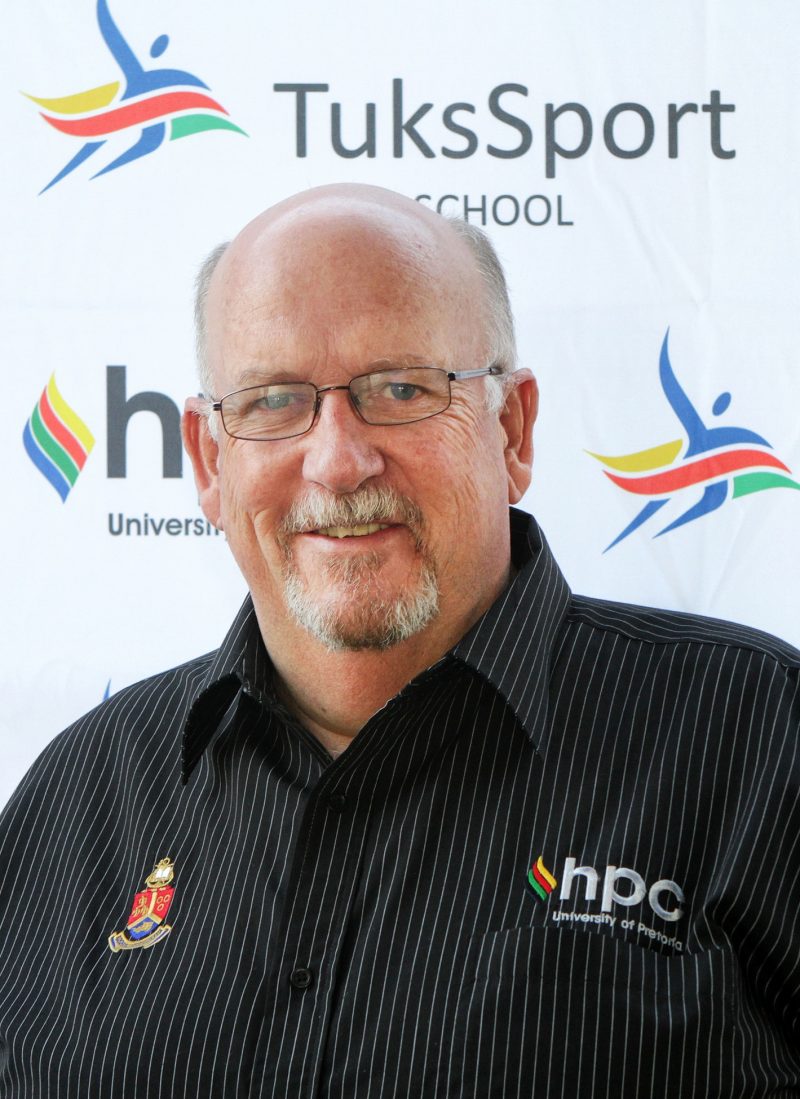
The acting director TuksSport, Toby Sutcliffe, warns that it certainly is not going to be business as usual once the athletes are allowed to train and compete again.
“There are lessons to be learned from what New Zealand did in preparation for the last Olympic Games. When there were harsh decisions to be made, the sports administrators did not hesitate to do so. It was all about what is best for the athletes in the build-up to the Games,” he said.
According to Sutcliffe South Africans need to learn to put the personal aspirations of athletes and administrators behind them. There is no better time than now to unite and agree on a sustainable plan for the future. If we manage to do so, all in sport will reap the rewards.
He also believes there can be no arguing that sport in South Africa is an integral way of life in the country.
“At times, it really united us as a nation. One only has to cast one’s minds back to the 2010 FIFA World Cup, and the three Rugby World Cup Victories in 1995, 2007 and 2019. Mass participation at various levels makes up an essential contribution to the physical and emotional wellbeing of individuals in South Africa,” he explained.
Unfortunately, Sutcliffe believes this does not equate to sports being a priority after the pandemic. The sports industry contributes only 0.5% to the country’s economy, while employing a minimal number of people on a fulltime capacity, but with millions of non-earning volunteers.
The Tuks director added the dilemma facing South African sports is not new.
“Between 1997 and 1999 the sports industry grew at a rate 1.2 times higher than the rate at which the South African economy. That is why we have world-class facilities. It also led to an economic boom for the industries involved in sport,” he remarked.
Since then, Sutcliffe believes sports administrators have allowed conflicts of interest to cloud their vision. A direct consequence has been the gradual demise of sports in the country with fewer and fewer spectators in attendance.
“Now, the coronavirus pandemic has had a devastating effect on the world’s population at large. It has also had a direct impact on the mental health and financial wellbeing of the population at large. One can only wonder how the sporting industry, not only in South Africa but worldwide, will adapt and change to the ‘new norm’,” Sutcliffe explained.
Universities have formed the backbone of South African sport for decades. TuksSport is a good example. There was a stage when seven former Assupol Tuks cricket players represented the Proteas and six of last year’s Springbok World Cup Champions are former Tuks players. Tatjana Schoenmaker, Akani Simbine and Caster Semenya are other examples of the role universities play in South African sport.
According to Sutcliffe, it will take some time for universities to continue with “normal sport”.
“It is unlikely that we will see the return to full contact tuition anytime soon, and if it does occur the academic calendar as well as its students will be under immense pressure to complete their studies,” he concluded.
Do you have more information about the story? Please send us an email to editorial@rekord.co.za or phone us on 083 625 4114.
For free breaking and community news, visit Rekord’s websites:
For more news and interesting articles, like Rekord on Facebook, follow us on Twitter or Instagram