
Electricity minister Kgosientsho Ramokgopa engages Pretoria West residents over rising tariffs
The proposed electricity pricing policy aims to protect diligent ratepayers from bearing the financial burden of illegal connections and municipal mismanagement, with public comments closing on October 30.
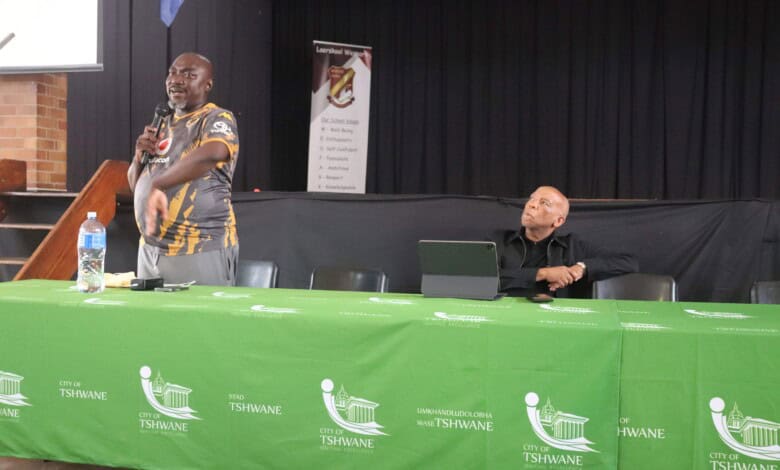
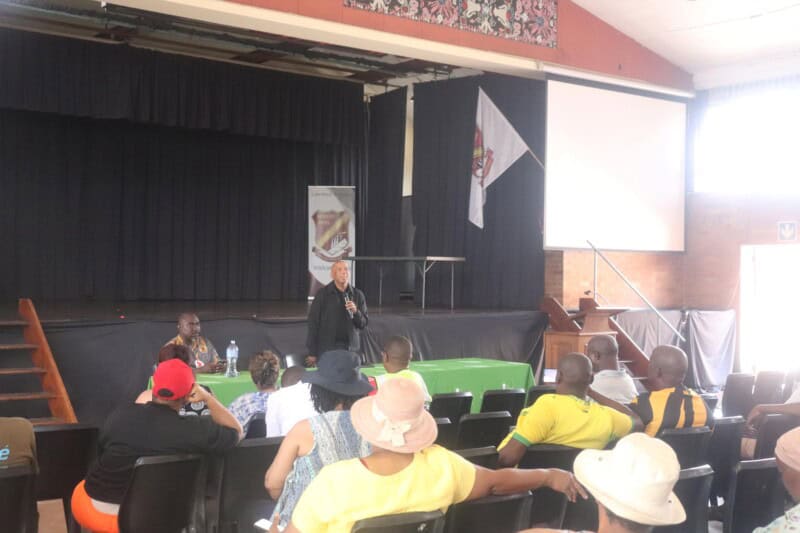
High electricity tariffs and frequent power cuts driven by infrastructure mismanagement and cable theft dominated a community meeting at West Park Primary School, where Minister of Electricity Dr Kgosientsho Ramokgopa outlined proposed policy changes.
Ramokgopa met west of Pretoria residents following an invitation from Ward 3 councillor Malesela Rakebe. Kwaggasrand, Proclamation Hill, Pretoria West and part of Phillip Nel Park fall under Ward 3.
During his address, the minister urged residents to submit comments on the proposed Revised Electricity Pricing Policy 2026 by October 30 before he presents it to Cabinet.
Pricing policy under public review
“Before the power reaches your house, it has to go through the power lines, substations and transformers,” said Ramokgopa. “For example, let’s say a transformer is built to supply 10 households. Life is difficult, levels of unemployment are high. They build more rooms, and that transformer meant to support 10 houses is now supporting about 15,” explained.
“We have taken out the Revised Electricity Pricing Policy to the public,” said Ramokgopa. “We had one in 2008, but a lot of things have happened since that time. Between 2008 and 2024, electricity increased by 907%. Inflation increased by 150%. Has your salary increased by 900% in the past decade? No. You’re poorer today than back then.”
The proposed policy identifies consumer categories to protect diligent ratepayers from subsidising non-payers or power theft.
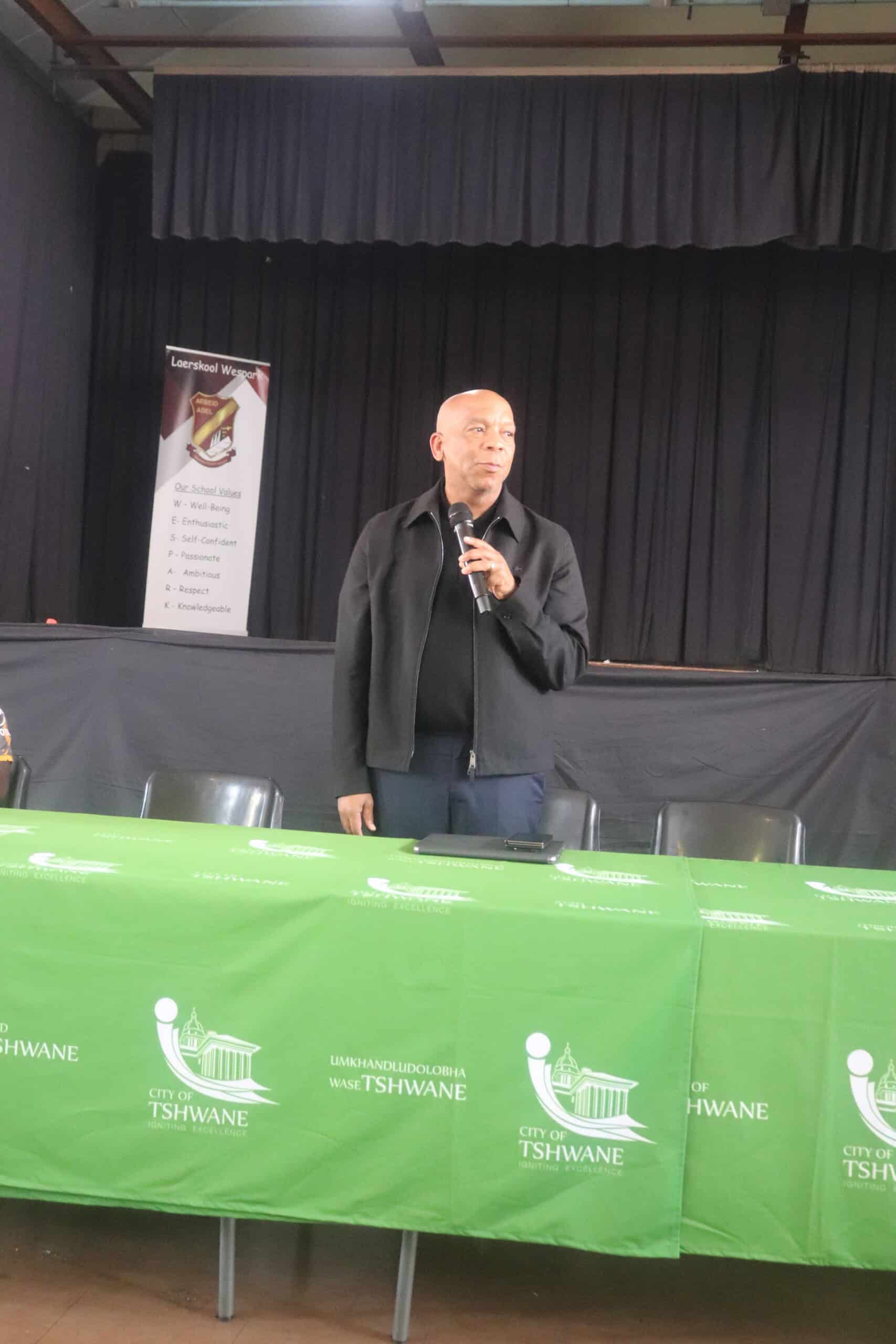
The minister said electricity tariff increases are a government policy issue rather than a National Energy Regulator of South Africa (Nersa) or Eskom fault, as Nersa merely interprets existing policy.
Tackling unmetered usage
Informal settlements also impact tariffs. Municipalities currently buy power, but when unmetered usage exceeds purchases, paying ratepayers bear the financial burden.
“When a municipality buys 100 units, for example, they use 70, but at the end of the month, you’re still billed for the 100,” added Ramokgopa. “Municipalities must go after illegal connections and cut them. This new policy means you can’t burden the diligent payer to account for your mismanagement.”
Unaddressed maintenance, cable leaks and coal contracts also contribute to high tariff rates.
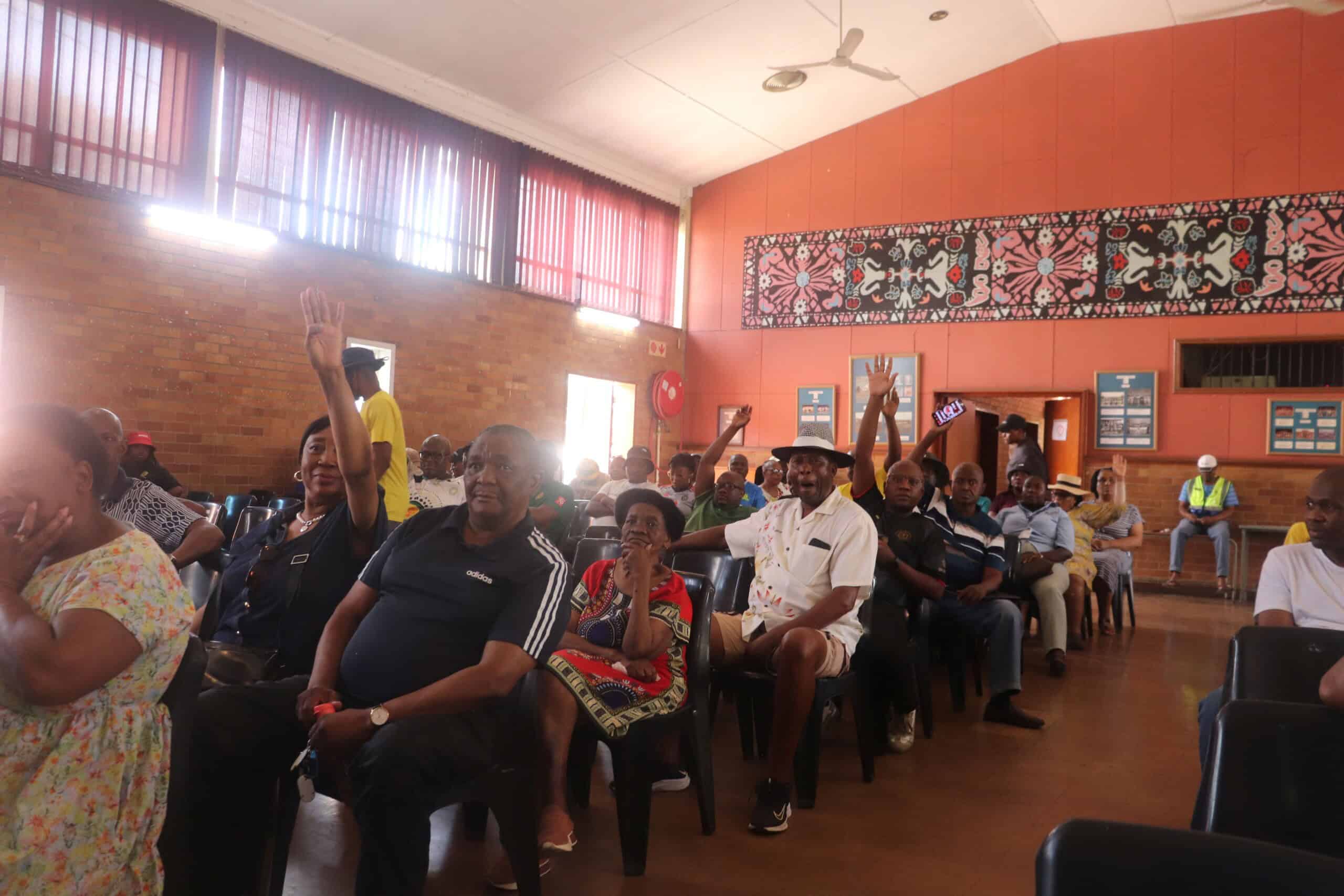
During the Q&A session, residents raised concerns regarding illegal immigrants in informal settlements, requested government-provided solar options and called for stricter consequences for failing municipal distributors.
Residents can submit written feedback on the policy by October 30 via EPP.Comments@dee.gov.za.
Do you have more information about the story?
Please send us an email to bennittb@rekord.co.za or phone us on 083 625 4114.
For free breaking and community news, visit Rekord’s websites: Rekord East
For more news and interesting articles, like Rekord on Facebook, follow us on Twitter or Instagram or TikTok or WhatsApp Channel


