
TNR programme yields positive results
For the volunteers of Feral Watch & TNR this is a huge decline in the breeding of unwanted feral cats and that is all thanks to their trap, neuter and release program.
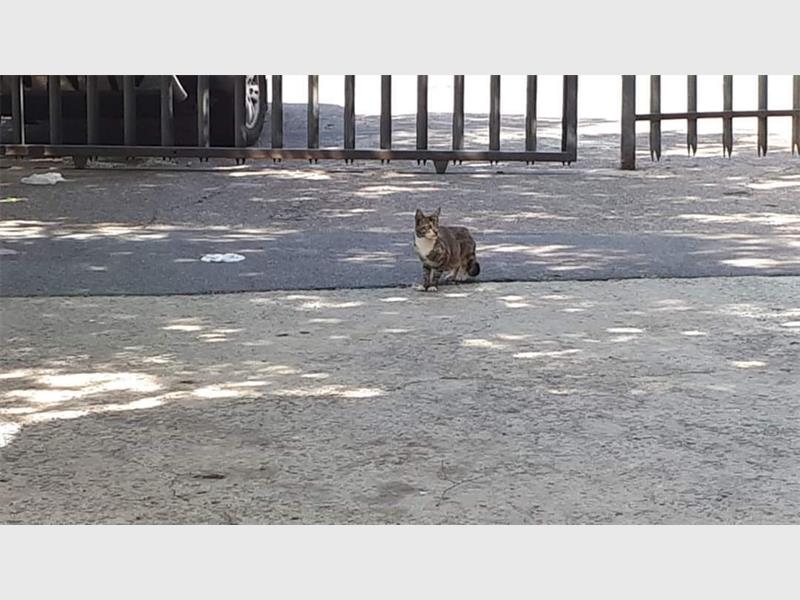
A project by Feral Watch & TNR that began in December 2019 has seen huge results and will continue to bring down the ever-growing population of feral cats in the Secunda CBD.
Although for most, 120 feral cats only in one section of the CBD seems like a lot, for the volunteers of Feral Watch & TNR this is a huge decline in the breeding of unwanted feral cats and that is all thanks to their trap, neuter and release program.
The area in question is that by the local municipality and the Kosmos Pharmacy.
“When we began our project, it was horrific to see the state of the cats and kittens in this area. About 30% did not survive due to malnourishment and diseases,” said Ms Nicolette van Zyl of Feral Watch & TNR.
She said all the cats on the municipality’s side are adults that have been trapped and neutered and will see no more breading of colonies.
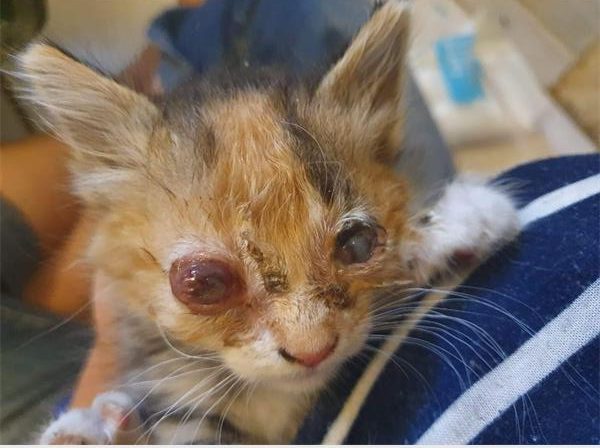
Businesses around the CBD have been of great help in alerting the team of sick or injured feral cats that require veterinarian treatment.
Even though it may have taken a while for the success of this program, Feral Watch and TNR purely rely on the funding of businesses and the public to make projects like these possible.
Without funding from the public and veterinarians coming on board with special rates, such projects would have never been possible.
“It has been a slow process. It takes time and effort to trap a feral cat,” said Ms Van Zyl.
She explained that the organisation would only trap late afternoons or early evenings as the cats are skittish and run away at the sight of humans and the traps.
She also explained the feral cats that have been trapped, neuter and released in the CBD can be identified by their tipped ears.
“The term “tipped ear” is world-renowned and an indication that these cats can not be removed and that they have already gone through the program of being neutered and not trapped again, and are well cared for, said Ms Van Zyl.
She said all the feral cats that have gone through the program have also received their rabies shots and are in great health.
She emphasised educating the public that there is a need for feral cats as they are hunters and hunt for unwanted rodents and pigeons.
“The myth that feral cats being cared for are lazy is not true. They keep rodents at bay,” said Ms Van Zyl.
She said they still face a huge challenge from people dumping their cats.
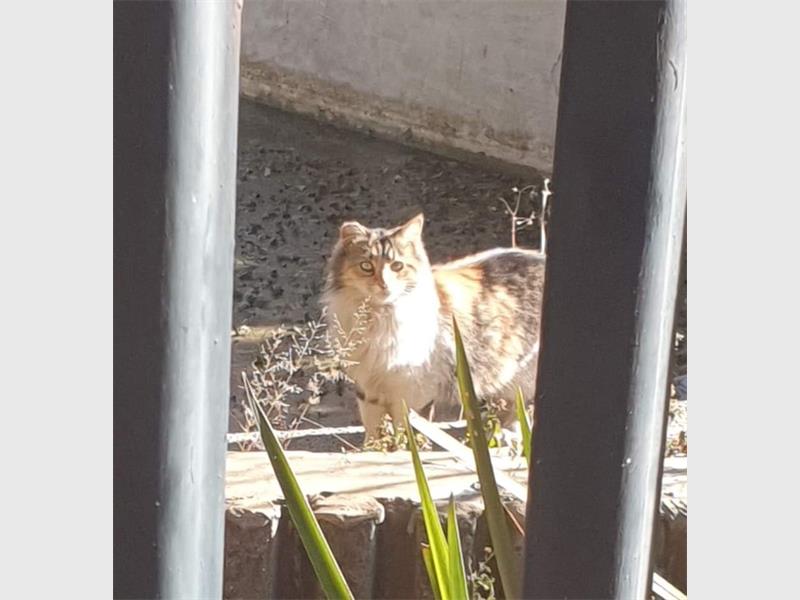
The feeding program is underway for the feral cats near the taxi rank in the CBD and future trapping and neutering is on the cards to minimise the population of feral cats on that side of town.
Sterilising of a feral cat costs around R150 to R170 at the state vet, excluding inoculations other than rabies.
Ms Van Zyl said a Section18 certificate can also be given for the money to be claimed back from tax for people who wish to donate to their organisation.
For enquiries, contact Ms Van Zyl on 082 781 9435 or Ms Heidi van Zyl on 082 875 1106 or send an email to info@feralwatch.co.za.
Donations can also be made via EFT to Feral Watch And TNR – Account number: 62814609353 – Bank: FNB – Branch code : 270444
You can also follow the Feral Watch & TNR Facebook page for adoptions and more on their organisation.