Youth Parliament calls for action on unemployment and economic inclusion
Deputy Minister in the Presidency, Nonceba Mhlauli, outlined government interventions aimed at tackling youth unemployment, improving digital education, and strengthening innovation in schools.
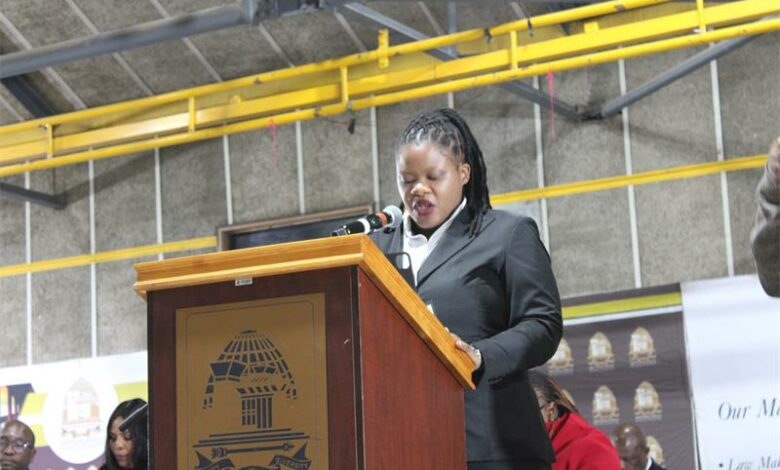
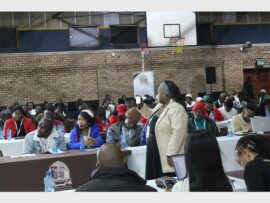
The Mpumalanga Legislature hosted its Youth Parliament at the Sasol Club in eMbalenhle on 9 June, bringing together young people, government leaders, and political representatives to discuss challenges affecting youth across the province.
In his welcoming remarks, the Executive Mayor of the Govan Mbeki Local Municipality, Nhlakanipho Zuma, encouraged young people to participate actively, constructively, and confidently in democratic processes.
Zuma urged the youth to rise above challenges, occupy leadership spaces, and contribute positively to the development of their communities.
Acting Speaker of the Mpumalanga Legislature, Sam Masango, said the Youth Parliament serves as an important platform to highlight the urgent need to address youth unemployment, economic exclusion, and other social challenges facing young people.
“Today’s young people must continue the struggle, now focused on economic liberation. Key priorities include a mandatory youth health budget assessment, integrated HIV and AIDS literacy programmes, and the convening of a Provincial Youth Health Summit before the end of 2026,” said Masango.
He stressed the importance of reducing new HIV infections among young people and encouraged regular health screenings and increased awareness campaigns.
Masango also called for expanded access to coordinated youth economic programmes, including job creation funds and skills development initiatives in sectors such as the green economy, solar energy, recycling, biodiversity, construction, mining, agriculture, tourism, and digital infrastructure.
Youth representatives from political parties represented in the Legislature delivered messages of support and acknowledged the value of the Youth Parliament as a platform for engagement. They highlighted concerns raised by young people in their communities, including unemployment, gender-based violence, unequal access to economic opportunities, and the mismatch between education outcomes and available jobs.
Delegates emphasised that the lived realities of young people must be reflected in policy development and implementation, urging the government to respond decisively to their concerns.
Deputy Minister in the Presidency, Nonceba Mhlauli, outlined government interventions aimed at tackling youth unemployment, improving digital education, and strengthening innovation in schools through coding and robotics programmes.
She further emphasised the importance of industrialising the agricultural sector, expanding youth recruitment initiatives, and promoting ethical leadership and sustainable development.
Reports from various commissions highlighted key concerns, including high youth unemployment, a lack of transparency in recruitment processes, and limited access to funding for youth-owned enterprises.
Delegates called for the establishment of stronger youth oversight structures, such as youth commissions and chambers, to improve accountability and ensure that government programmes align with the needs of young people.
They also stressed the importance of civic education, voter awareness, and improved communication regarding electoral processes, saying informed and engaged youth are essential to strengthening democracy and driving development in the province.