
Lekwa community raises alarm over rising GBV
202 rape cases recorded in Gert Sibande District during the first quarter of the 2025/26 financial year.
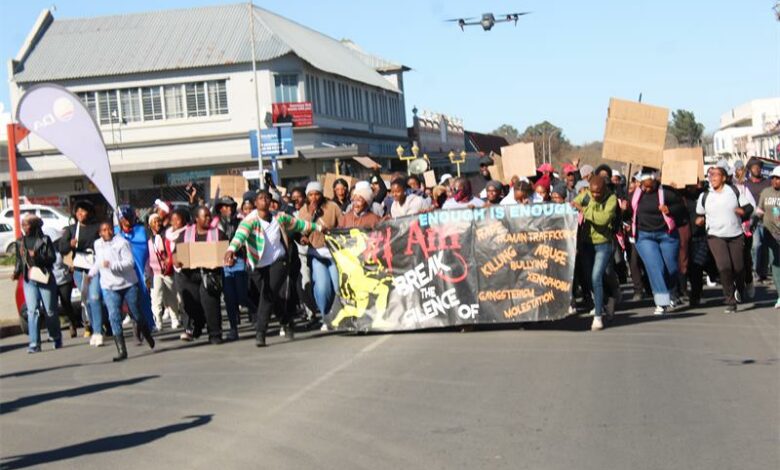
Residents of Sakhile are troubled over the increasing number of gender-based violence (GBV) incidents, with many women continuing to lose their lives or suffer abuse at the hands of perpetrators.
The MMC for Community Services and Safety at the Lekwa Local Municipality, Mapaseka Mlaba, said the rise in GBV cases remains a serious concern for the community.
“After we realised that we were faced with increasing GBV cases, including the murder of women and children within our communities, we decided to launch men’s structures in our wards because we recognised that men’s voices are needed in the fight against GBV,” said Mlaba.
She said the initiative has created a platform for men to discuss challenges they experience while encouraging them to become active participants in addressing gender-based violence.
“In most cases, people assume that only men are responsible for GBV, forgetting that women can also contribute to unhealthy family dynamics. During the launch of these structures, many men shared their frustrations.
“Some spoke about spouses who neglect their children and families because of alcohol abuse, while others said they are unhappy in their homes.
“What encouraged us is that the men acknowledged that GBV is a serious problem that requires everyone’s attention and expressed their willingness to help fight this scourge,” she said.
Intervention is needed
Sonto Radebe-Tstetsi of the Sonto Foundation, an organisation established to combat GBV in Sakhile, said the problem continues to affect both Sakhile and Standerton.
“Almost every month there is a case where a woman is either killed or survives a violent attack. Because of this challenge, several organisations have formed the Justice for All Network to work together in the fight against GBV,” she said.
Radebe-Tstetsi said the network has also raised concerns about the criminal justice system.
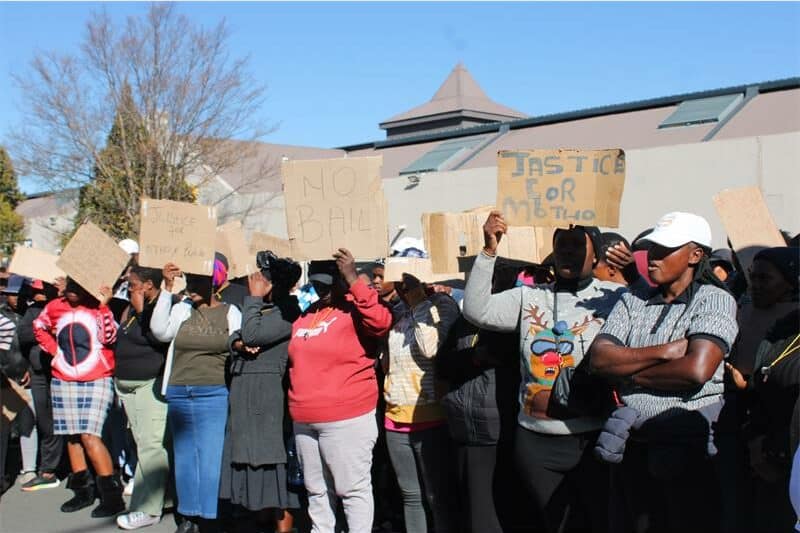
“We were recently disappointed by the justice system after a suspect facing charges related to child pornography was granted bail, despite our petition opposing his release because of concerns about the safety of children,” she said.
She recalled that two years ago, four women were allegedly killed by their partners within a single month, highlighting the severity of the crisis.
“That alone showed that urgent intervention is needed. Those cases are still before the courts, although some of the suspects have been granted bail.
“We will continue fighting against gender-based violence, even when we feel disappointed by the justice system,” said Radebe-Tsotetsi.
ALSO READ: Lekwa residents are divided over call for illegal immigrants to leave SA
Local voice on a national stage
Standerton’s own member of parliament, Angel Kanyile, is the DA’s spokesperson on Women, Youth and People with Disabilities, said the 202 rape cases recorded in Gert Sibande District during the first quarter of the 2025/26 financial year, according to the South African Police Service (SAPS) crime statistics, reflect a growing crisis that requires immediate action.
Khanyile said the figures represent more than statistics, as each case involves traumatised victims, devastated families and communities living in fear.
“South Africa declared GBV and Femicide a national crisis because of the devastating impact it has on society.
“However, declarations mean absolutely nothing if they are not accompanied by urgent intervention, resources, accountability and visible action on the ground,” Khanyile said.
She said stronger police visibility is needed, as well as functioning victim support centres, faster arrests and prosecutions, adequately resourced Thuthuzela Care Centres, trained GBV officers at police stations and coordinated intervention programmes in schools and communities.
According to Khanyile, women and children continue to suffer while government responses remain reactive, underfunded and ineffective.
She said her party has called for the immediate deployment of specialised GBV units in identified hotspot areas across Gert Sibande District – including Standerton, increased police patrols and visible policing in high-risk communities, strengthened victim support services and shelters, and the fast-tracking of rape cases through specialised courts.
ALSO READ: Leandra residents march against illegal immigration, demand action from authorities
Khanyile said women and children deserve to feel safe in their homes, schools, streets and communities, adding that the normalisation of sexual violence must come to an end.
“We refuse to accept a South Africa where rape statistics continue to rise while government hides behind speeches and empty commitments,” said Khanyile.
An abusive cycle
The cycle of violence can happen hundreds of times in an abusive relationship.
The Mali Martin Polokegong Centre in Bronkhorstspruit elaborates on this cycle, explaining that each stage in this cycle lasts a different amount of time in a relationship and may become more severe over time.
The total cycle can take from a few hours to a year or more to complete. It is also important to remember that not all domestic violence relationships fit the cycle.
Often, as time goes on, the ‘making up’ and ‘calm’ stages disappear.
- Stage 1 – The incident: The type of abuse occurs. It can be physical, sexual or emotional.
- Stage 2 – Making up: The abuser may apologise for the abuse and might even promise that it will never happen again. More often than not, the abuser blames the victim for causing the abuse and may also deny that abuse took place or say it was not as bad as the victim claims.
- Stage 3 – The calm: The abuser acts like the abuse never happened. Physical abuse may not take place, and promises made during ‘making-up’ may be met. The abuser is prone to give gifts to the victim, who hopes the abuse is finally over.
- Stage 4 – Tension building: The abuser starts to get angry, and abuse may begin. There is a breakdown of communication. The victim feels the need to keep the abuser calm.
In this stage, the tension becomes overwhelming, and the victim feels like they are ‘walking on eggshells’. This stage flows over into another incident of abuse.
Break the silence – don’t remain isolated.
You have nothing to be ashamed of. Don’t keep the violence secret. Get help from someone you trust or contact an organisation to help you.