
Video: Safe, my mate! Cape Town volunteers help endangered breeding toads cross roads
Night patrols, under-road tunnels and built-in navigation help amphibians on the Cape Flats survive their annual breeding migration.
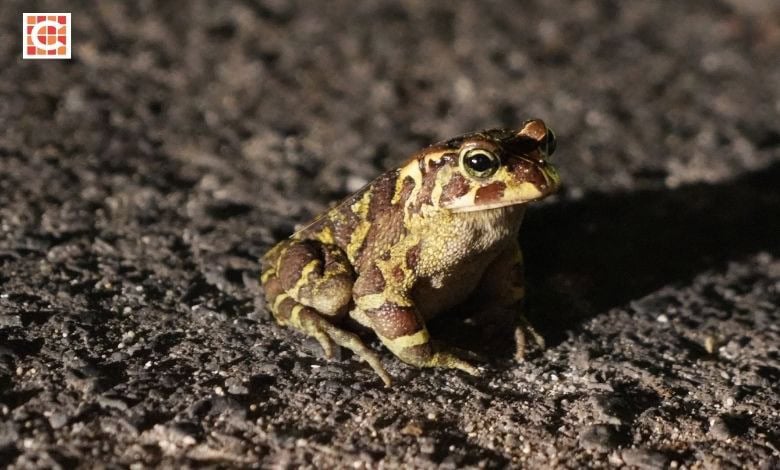
There are many ways to spend an evening in Cape Town. You could have dinner, watch television or perhaps enjoy a quiet drink with friends.
Or you could drive around in the dark for five hours looking for frogs.
For Helen Lockhart, the conservation and sustainability manager at the Two Oceans Aquarium, the choice is easy.
For almost 20 years, she and her partner have spent the Western leopard toad breeding season – which runs from July to the end of September – patrolling the roads around Zeekoevlei, a freshwater lake and suburb on the Cape Flats, looking for the small, warty travellers making their way to breeding ponds.
These are not just any frogs. Western leopard toads have been listed as endangered since 2016. Their numbers have been affected by the loss of natural habitat to urban development, while roads have become a deadly obstacle during their annual breeding migration.
The species once occurred more widely across the Cape Peninsula, Kleinmond, Betty’s Bay and the Agulhas Plain. Today, many of the remaining toads live remarkably close to people, in gardens, compost heaps, vegetable patches and wood piles.
Every year, they leave these hiding places and head for breeding ponds. Some travel up to 5km. “Toads know where they are going,” Lockhart says.
“If they survive the journey, they return to the same home spot. They clearly have built-in compasses to be able to do this,” she says.
Exactly how those tiny amphibian compasses work remains a mystery to Lockhart.
The night shift
Nature Connect and its partners have installed tunnels beneath roads in Zeekoevlei, with barriers helping guide the toads towards safer crossings.
Zeekoevlei has two types of toad patrols. Barrier patrols, usually involving two to five volunteers, monitor the barriers around the toad tunnels. Many volunteers are students studying nature conservation or environmental studies. Then there are the vehicle patrols. This is where Lockhart comes in.
She and her partner drive around the neighbourhood’s hotspot roads, looking for toads crossing or preparing to cross the road. On some nights, other residents join them, and the patrol can grow to between six and eight vehicles. The patrols begin at about 19:00 and can continue until midnight on a busy breeding night.
The conditions have to be just right for the toads to make their move. Temperatures should be around 15°C to 16°C; there must be little or no wind and some moisture in the air. Rain helps, but it does not have to be raining.
When the conditions are ideal, the roads come alive. “As we drive around, we will see toads on the verges and in roads,” Lockhart says.
The rule is simple: Pick up the toad and carry it safely across the road in the direction it was facing.
And then there was the takkie
Lockhart has rescued plenty of toads over the years, but one clearly had a particular appreciation for footwear. A toad once moved into her partner’s takkie. Not just for a few minutes – it apparently decided the shoe was an excellent daytime residence.
At night, it would leave the takkie to hunt, return for a quick bath in the dogs’ water bowl and then settle back into its unlikely home.
There have been less glamorous encounters, too. This year, a female toad urinated on Lockhart. No prince or princess appeared, she muses, just a very wet hand and sleeve.
The males have their own peculiar habits. When picked up, they can start making a loud snoring sound, earning the species its nickname, ‘snoring toads’. They can also grip a person’s wrist, much as they would grip a female during mating.
The great toad dating season
The snoring has a purpose. Male toads call from the breeding ponds to attract females.
When conditions are right, the females arrive and thousands of eggs can be laid.
Only a small proportion will survive to adulthood. Eggs, tadpoles and tiny toadlets are eaten by fish and birds, while polluted water can also prevent eggs from surviving. That is why the toads produce thousands of eggs.
But even getting to the pond is a gamble. Lockhart has seen the consequences when motorists do not see the animals.
A toad hit by a vehicle may be killed instantly or suffer injuries from which it is unlikely to recover. “It is heart-breaking to see a dead toad or to see one killed by a motorist right in front of your eyes,” she says.
The breeding migration brings large numbers of toads into the urban landscape at the same time.
Since official recording began, 2023 was the busiest year in Lockhart’s area, with 282 live toads moved to safety. On one particularly busy night, volunteers rescued more than 80.
Smile, you’re on camera
Researchers use camera traps to determine whether the animals use the tunnels. The challenge is keeping Western leopard toads connected to their breeding sites as Cape Town’s urban sprawl increasingly cuts across the routes they have long used to reach them.
Western leopard toads are important beyond their own survival. As amphibians, they are sensitive to changes in water quality, pollution and habitat, making them useful indicators of the health of the wider ecosystem.
‘Hello, old friend’
Despite having individual markings, the toads are difficult to tell apart, so there is no official celebrity among the patrols. But Lockhart has started wondering whether some of the larger ones recognise her. She can imagine them thinking: “Oh good, she’s here to help me get across this road safely.”
She greets some of them herself. “Hello, old friend, happy to see you again this year.”
It may sound slightly ridiculous to have a conversation with a toad at the side of a Cape Town road at 22:00. But for an endangered animal trying to cross that road, Lockhart believes the least humans can do is stop and help.
“These animals are not difficult to see – they look like stones in the road,” she says, urging motorists to slow down and be vigilant so that the toads can safely reach their mates. After all, they were making the journey long before cars arrived.
Watch video here:
Read original story on www.citizen.co.za
