Serving Those in Need: We Talk to Jeanette Sera From POWA
We talk to POWA Counselling Manager Jeanette Sera about her career, the challenges she faces in it, and her views on domestic violence during the lockdown. She goes in-depth about what POWA is doing to help those in need.
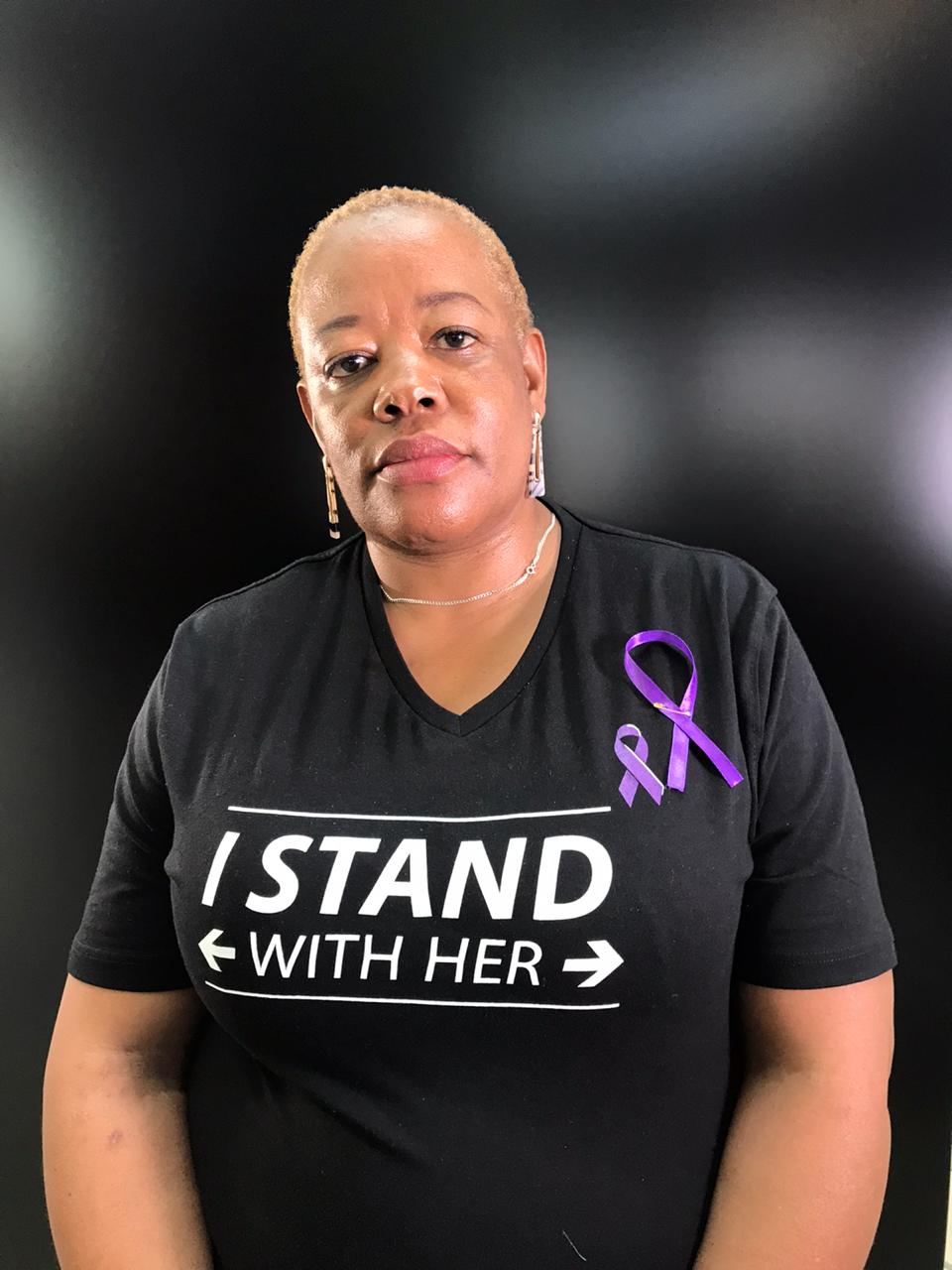
1. How long have you been a Counselling Manager and how would you describe the overall experience?
My journey as a qualified social worker began in 1998 when I started working in a POWA shelter for abused women and their children. I went on to become the manager for POWA counselling services. This position meant that I was responsible for overseeing the smooth running of the direct services, including counselling and sheltering. It is always a privilege to work with women. I appreciate the fact that I am given an opportunity to enter their private lives. It is not easy to open up about one’s private life, especially if it is something challenging or difficult. As a counsellor, it is one’s duty to treat clients and their experiences with the utmost care and respect.
2. What do you love most about your job?
My work as a manager has an element of administration and supervision. I am a social worker at heart, so I would rather work directly with survivors or create awareness within the community. It is always fulfilling to see a woman on her journey to recovery, and I am the person who assisted. I believe that every survivor can come up with solutions to their challenges. My role is to provide a safe space for that to happen.
3. What would you say are some of the biggest challenges that Social Workers face?
Working with limited or no resources is a major challenge, especially when one has to refer the client she is working with. A social worker’s work is often, if not always, surrounded by poverty and social ills. We work with the vulnerable, with the majority being people who are desperate because of socio-economic challenges. We work in an environment where there is a high rate of unemployment, poverty, crime and health issues. For example, our shelters are currently accommodating young women who are not employed and find it difficult to break the cycle of abuse because they are often financially dependent on their abuser. Our work demands us to encourage and motivate people to take charge of their lives and beat the obstacles hindering a fulfilled life. Doing so can be challenging amid desperation and no resources.
Working in an NGO as a social worker can be very fulfilling because one is exposed to work that develops one’s career, however, the down side can be low remuneration and no benefits. This often creates low morale and work burnout.
4. What inspired you to enter your current career field? Is it something you’ve always wanted to do?
I studied accounting at school and I thought I would become an accountant, but life happens. I chose to study social work when I was experiencing growing challenges in my life, and I thought by studying social work I would heal myself in the process. And I must say, in a way it did happen. I had an opportunity to look at my life and of those surrounding me, my family, and also challenges in the community I grew up in. Social work gave me an opportunity to self-introspect and make sense of my reality. It grounded me and taught me to not quickly judge, to give people the benefit of the doubt and really try to understand where they are coming from, which is not easy. As a single mom, it also helped me to nurture my daughter who is now 32 years old.
5. How has your job changed since the lockdown was implemented?
We regard our work as an essential service, as we provide support to survivors of gender based violence. We are operating with a few staff members, but we have made sure that our services keep going. We are aware that domestic violence will increase because people’s movement is restricted and that abuse thrives in isolation. Many people in our country, especially those we target, lack resources that make it easy for them to reach out for help.
We provide telephone counselling and our shelters are open to accommodate abused women and their children. Our awareness outreach programs are on hold because of restricted movement. Therefore we are slowly trying to figure out how we can join the digital world to do our work. I must say this has been a slow process as we are learning. I for one fall under the category of those challenged by technology. We are looking at how we can use virtual technology to do training and create awareness. But we are also aware that this might be a challenge as we work with people who do not have access to such advanced technology, let alone basic needs like water and electricity. Our work depends a lot on physical contact. However I must mention that we have successfully used our social media platform like Twitter, Facebook and emails to reach out and support survivors.
6. How do you think the lockdown is affecting domestic violence in South Africa?
The lockdown has affected the country in many ways. I am aware of the reality that it has brought to the fore, especially of the struggles and desperation of the lives of the majority of our people. People live in poverty with no jobs, proper housing and sanitation. On the one hand they are expected to abide by the rules of lockdown, while on the other hand their lives are about survival.
Women and girls bear the brand of the social ill in society and statistics show that they are the majority of those who become victims of domestic violence. Isolation and limited movement will definitely add to their woes. Perpetrators who are often men, will take out their lockdown frustrations on them. It is therefore important that resources are in place for when they reach out for assistance. For us as an organisation the police must be on standby to transport the women safely to places of safety when there is a need. Issues that affect women need to be taken into consideration, especially by the government, for example reproductive health issues.
7. What are some of the measures that POWA is taking to protect victims of domestic violence during the lockdown period?
We provide essential work that can potentially save lives. Our services remain open even though we have closed our offices. We have social workers who provide counselling from home through the telephone. We also use our social media platforms to reach out to survivors who need our assistance. We have seen more people contacting us through our emails. Our shelter is open to accommodate abused women and their children. As a member of the National Shelter Movement and Gauteng Shelter Forum, we are in constant contact with other shelters to make sure that survivors are accommodated. We also are in communication with The Department of Social Development, custodians of the Victim Empowerment Program in the country, to make sure that the needs of shelters are met for effective service delivery.
JOKO has partnered with POWA on the ‘#EndDomesticSilence’ initiative to empower women to speak out against domestic violence in South Africa. They donate R1 from every pack to POWA to help create safe spaces where victims of domestic abuse can end the silence, and end the violence.