Spreading the water safety message online
Approximately 600 children die by drowning in South Africa each year, and since the institute established its water-safety education programme in 2006, it has reached 2,6 million people in the country.
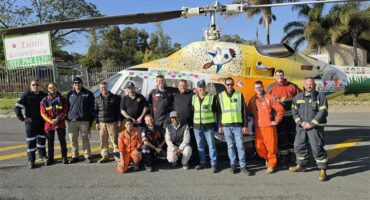
The National Sea Rescue Institute (NSRI) is a non-profit organisation that was started in 1967, to assist people who experience difficulties in water.
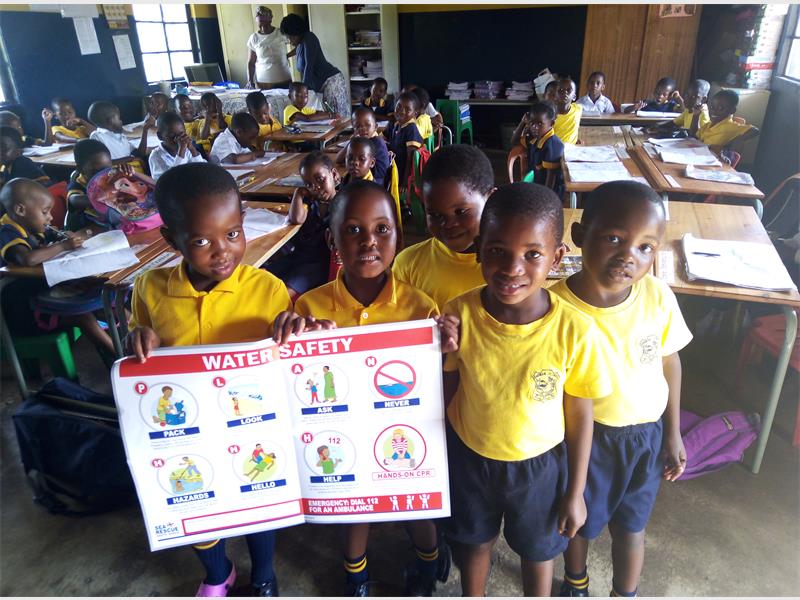
The organisation’s main objection is to teach survival swimming and water safety to adults in communities and learners in schools from Grades R to 12, but because of the lockdown they are spreading the water-safety message via social media platforms, radio stations, and newspapers.
“We are also offering online lessons to the schools that have access to the internet, and our goal is to prevent drowning through education, through preventative measures and through rescue,” said Slindile Mkhize from NSRI.
NSRI has a rescue division which includes 41 rescue bases across the country, and the Drowning Prevention division which was started in 2006 and now uses 21 water-safety instructors based in Gauteng, Western Cape, Eastern Cape and KwaZulu-Natal.The water-safety instructors teach classroom-based lessons to crèches, schools, clinics and community groups.
Approximately 600 children die by drowning in South Africa each year, and since the institute established its water-safety education programme in 2006, it has reached 2,6 million people in the country.
The Institute, through its programme, gives free water-safety lessons to the children, especially those from the previously disadvantaged communities that are at high risk of drowning.
More drownings occur inland than in the sea, and most children under the age of five drown around the house in buckets, basins, baths or swimming pools. In rural areas, some drown in pit latrines.
“At NSRI we aim to reduce the large number of people who die from drowning every year, 600 of these being children. Those who experience a non-fatal drowning could then have to live with complications of their near-drowning all their lives,” said Mkhize.
Take these precautions to reduce the chance of you or your loved drowning if you live near a river or dam:
- Always ask, am I safe?
- Do not attempt to cross a river in flood.
- Be aware that the water depth in dams and rivers can change quickly.
- Are there slippery stones or rocks? These can injure you, or cause you to fall into the water.
- Consider how fast the water is flowing.
- Never swim alone, even if you are a good swimmer; always swim with someone; and never jump or dive in if you can’t see what is in the water.
- It is extremely dangerous to get in the water to rescue someone, so rather throw something that floats, such as a rope, to the person in difficulty or hold out a long stick/ pipe to that person to grab and call for help.
- Always face the water as slips happen so easily.
- Water collected should be stored safely and out of reach of young children.
- Can someone in your area sponsor a Pink Rescue Buoy near the dam or river? These are used to provide peer rescue, without the ones helping endangering themselves.
- Learn how to do hands-on CPR.
Drowning is silent – we don’t want you to be a statistic. Let’s make sure any water in or around our home is child-safe.
Members of the public who require water-safety lessons at their organisation after lockdown are advised to contact Slindile Mkhize at fortunate@searecue.org.za or on 072 124 1255.