In February 2020, more than 100 people gathered at the Kloofendal Nature Reserve to give their input as to how the R1 million infrastructure upgrade budget should be spent.
Representatives from Johannesburg City Parks and Zoo (JCPZ) pitched their ideas, which mainly revolved around cosmetic upgrades for the reserve, including building a second visitors centre, extending the parking area, building a tented lodge, a restaurant, and four housing units for JCPZ staff, to name a few.
The residents, ward councillor, and Friends of Kloofendal (FroK) rejected the JCPZ proposal in its entirety, pointing out several areas where the upgrade budget could be used more beneficially for the reserve. As there is already staff housing and an education centre on the reserve, as well as transport for the EPWP and City Parks workers, many people cannot see the need for these upgrades, or understand why anyone would come to suburban Kloofendal for a holiday in a tented lodge.
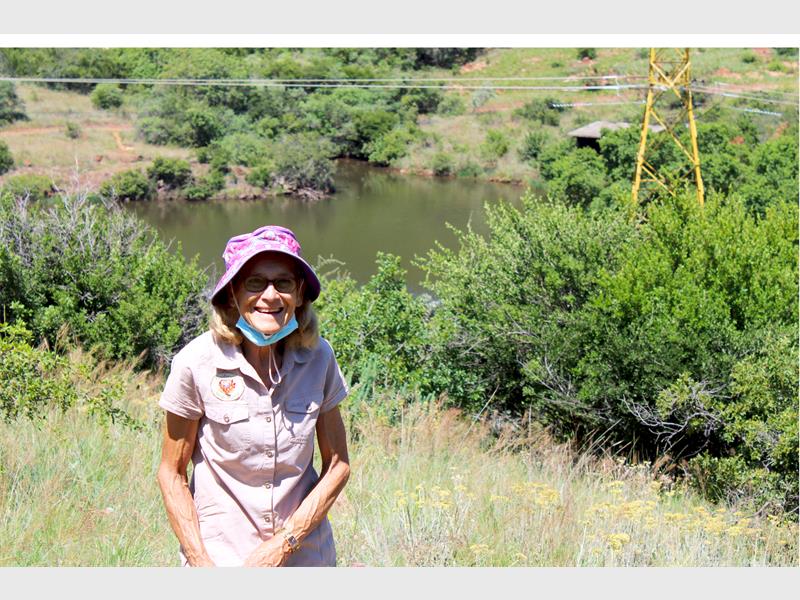
Nearly a year later, the JCPZ proposal has barely changed and the upgrades suggested by the Kloofendal community seem to have fallen on deaf ears. “There is an urgent need for the reserve to survive,” stated Karin Spottiswoode, a FroK representative. “The money needs to be spent on the reserve, not on buildings that are neither needed, nor wanted.”
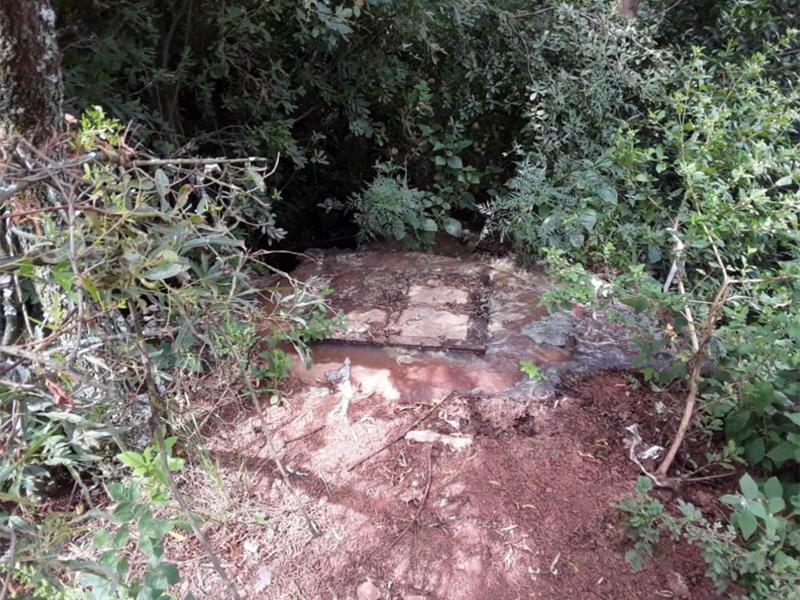
Karin continued to say that there needs to be an in-depth assessment and remediation of the two sewerage lines running below the reserve, which have been overflowing into the dam an average of two times per month. Since October 2020, eight sewage leaks have been reported to Joburg Water.
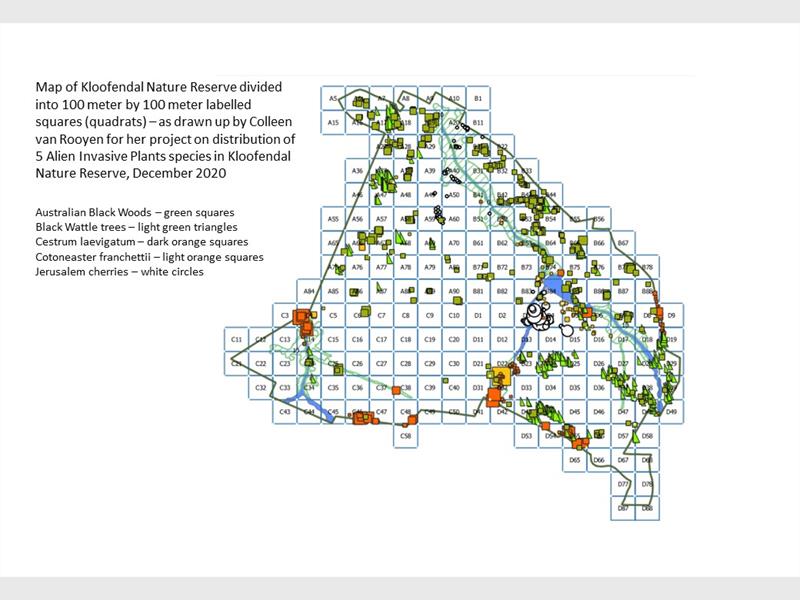
The reserve is also under threat from a bewildering 52 species of declared alien and invasive plants (AIP), and 10 undeclared alien plant species – all of which pose a danger to the local flora and fauna. While FroK volunteers work to remove these alien plants daily, they are suggesting that the two-year, well-managed AIP control programme with a consistent team of five workers, with regular follow-ups to maintain AIP control, which expires this month, be extended.
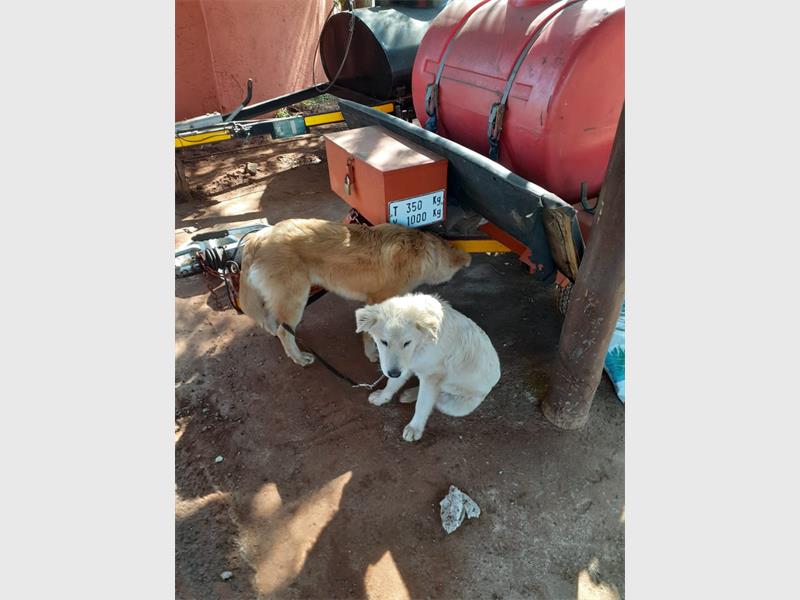
Other issues brought forward include repairs and maintenance on the eroding paths, upgrading the toilets on the reserve, performing maintenance on the plumbing system around the amphitheatre, and fixing the grass in front of the amphitheatre. “The amphitheatre lawn is in a very bad condition; many bare, hard soil sections and weeds are taking over the grass,” Karin continued sadly.
The only point of the JCPZ proposal that FroK does not fully reject is in regard to replacing the paving of the present parking area with a better-quality paving. FroK does not, however, find it necessary to extend the parking area.
Ward 85 councillor, Sonja Meyer, is on the exact same page as her concerned residents and the members of FroK, saying that the proposed upgrades from JCPZ are unnecessary when there are more urgent matters for the well-being of the reserve and the residents in her ward that need attention. Among her main concerns are the fencing and security of the reserve.
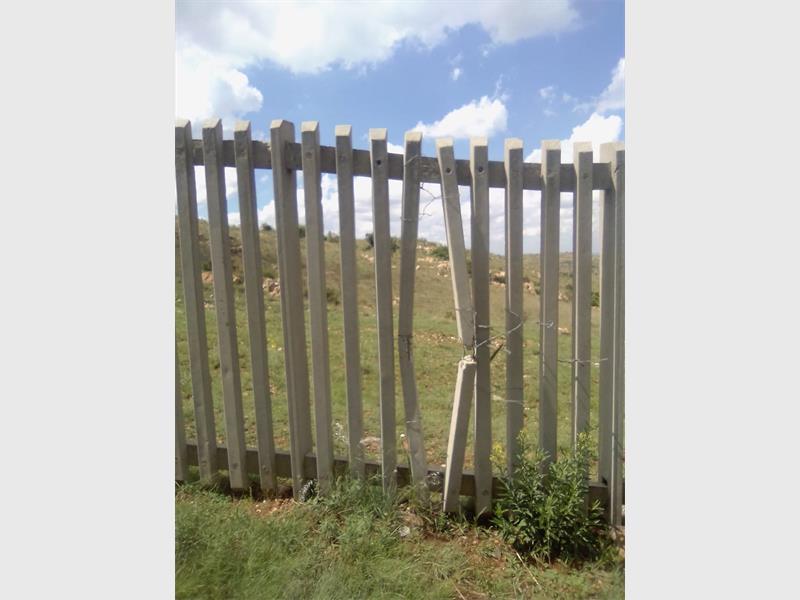
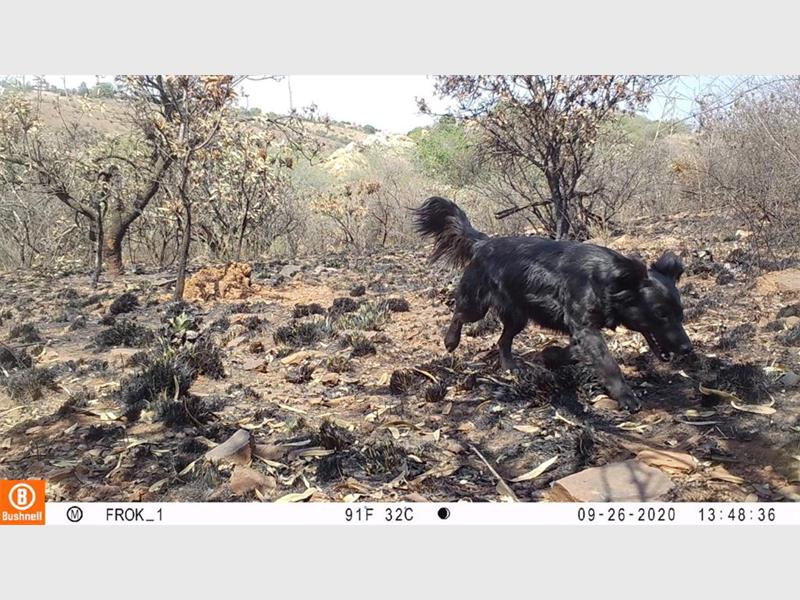
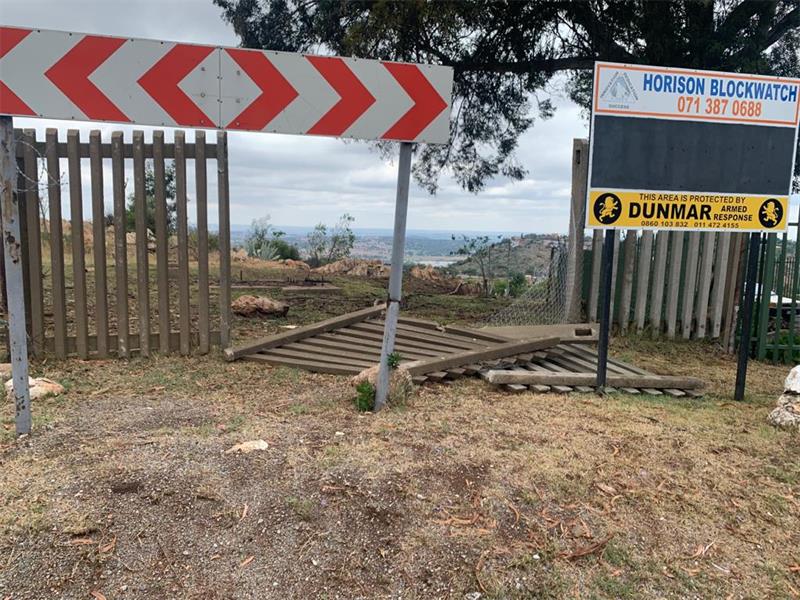
The concrete fencing surrounding the reserve is severely damaged and desperately needs to be repaired. ‘Temporary’ measures have been implemented by JCPZ, but permanent repairs have yet to be conducted. Not only do vagrants enter the reserve through the damaged fencing in search of shelter, but it also provides a convenient hiding spot for criminals in the area and an easy access point for poachers. The holes in the fence have also meant that stray dogs (and dogs that have gotten out of their homes) are entering the reserve, and as is their natural instinct, are attacking the small animals that live there. It has come to the point where Sonja visits the reserve every evening to speak with the security team and ensure that no one has entered the reserve through the open gaps in the fencing.
Sonja stated that one of the main obstacles faced within the City and its entities, including City Parks, is budget constraints. This is why, when money is allocated it needs to be spent wisely. “As a custodian of Open Public Spaces and Parks, City Parks has a vested and legislative obligation to ensure the safety of the public. This obligation is clearly stated in the by-laws,” said Sonja. She continued to say that by proceeding with the proposed upgrade, the availability of the budget to secure the reserve becomes a matter of wasted expenditure against City Parks’ obligation to ensure the safety of the public.
All of the involved parties have until 9 February to appeal the JCPZ proposal, and while appeals have been prepared, Sonja is working to extend the deadline as the Gauteng Department: Agriculture and Rural Development (GDARD) system where appeals should be submitted, has been offline.
JCPZ was presented with questions regarding the proposed upgrades and why the selected cosmetic upgrades were chosen over what seem to be more pressing needs, but the only response received was the appeals process.