Open spaces are defined not by their amenities but by the activities that are synonymous with their existence.
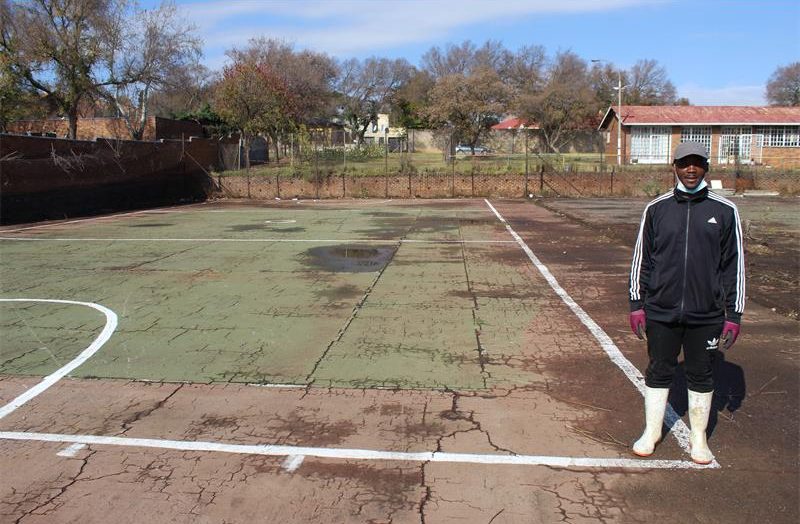
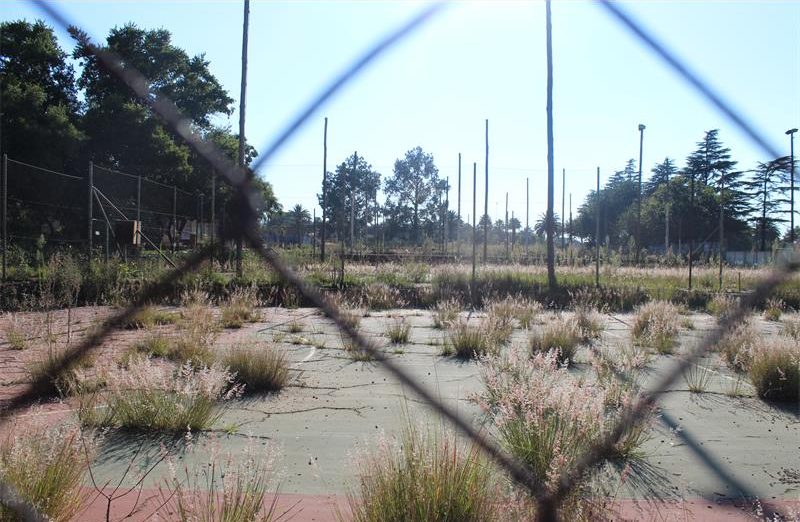
Roodepoort has a rich sporting history, producing national team representatives in almost every discipline imaginable. The wide interconnected web of sporting facilities spans every corner of the West, from Witpoortjie to Maraisburg. While sports played on grass have managed to withstand the area’s drain of funds and resources, the shells of concrete and asphalt tennis courts dot the town like rust on a vintage collectable.
Denis Brown, member of the Florida Park Tennis Club (FPTC) since the mid 1980s, recalls how there were roughly 30 tennis clubs on the West Rand, with about half in Roodepoort alone. Today, only a handful still exist, powered by the hard work of their committees, the devotion of their members and the love of the sport. According to Denis, the amount of financial support for clubs from Tennis South Africa totals the hearty sum of zero rand.
It takes more than a bit of pocket change to keep a tennis club alive, with monthly basic operating costs around R10 000, excluding balls and maintenance. The largest cost is keeping the courts in championship shape. Courts require resurfacing every seven years or so, and at between R50 000 to R65 000 per resurface, a facility with four courts needs to raise almost R250 000 every seven years.
Tennis clubs do not have the membership numbers commonly associated with established team-sport clubs, and the search for sponsorship for operating costs is heavily reliant on a valid lease agreement. “FPTC belongs one hundred percent to City of Johannesburg. We were the first club to negotiate a ‘maintenance lease’ with then Roodepoort Municipality which ran for 15 years, from 1993 to 2008. Since then we have been trying to secure a further lease with no success,” said Denis.
The issue of securing leases is a colossal stumbling block for clubs across the sporting landscape. “Most facilities in the city do not have valid lease agreements. Johannesburg Property Company (JPC) is far behind on the renewal of lease agreements, but it is important to remember that before facilities can be leased they are meant to be publicly advertised to allow for others to also apply. JPC is years behind on advertising these properties and therefore can’t enter into lease agreements with anyone. All lease agreements in the city are now for nine years and 11 months, and are granted via a process with JPC,” explained Ward 70 councillor, Caleb Finn.
When pressed for answers on the backlog, JPC spokesperson, Sipho Mhlongo, was economical with his words, saying, “Requirements differ from one property to another, and a bid specification committee determine the requirements”. As per the prescribed JPC process, “Persons wishing to enquire about the possibility of leasing land must do so by lodging an enquiry at JPC’s Client Servicing Unit through email or walk-in”.
The keymasters of South Africa’s sporting treasures are denying access to the physical resources needed to produce world-class talent. Rough diamonds lay in the untapped soil, and relying on pay-to-play clubs to nurture talent denies those without the means the opportunity to realise their dreams.
Mickey Styles
Mickey Styles, Springbok tennis player and 18-year veteran tennis administrator sits down with the Roodepoort Record to chat about the state of facilities in Roodepoort.
Listen here:
Department of Sports, Arts and Culture explains:
Chief Director of Marketing and Communications at the Department of Sport, Art and Culture (DSAC), Mickey Modisane, sheds light on how the national custodians of athletic and artistic dreams view important infrastructure.
Q. Has the Department of Sport, Arts and Culture done an audit on how many tennis or netball courts, or any of the facilities exist in Johannesburg?
A: No, we haven’t done an exclusive audit for tennis and netball courts facilities, but we have commenced with a national sports facilities audit which was hampered by financial challenges coupled by the emergence of Covid-19, so the process had to be put on hold. I am positive once the Covid-19 storm has passed the process will once more kick off.
Q. Who is primarily responsible for the upkeep of these facilities?
A: The upkeep of community-based sport facilities rests predominately with the local municipality as they have resources in terms of personnel, especially under the Expanded Public Works Programme and also based on their close proximity to monitor and maintain such.
Q. When the leases to sports facilities expire, who is responsible for finding new tenants?
A: The Department always encourages the local sport structures to formulate working relationship with local municipalities so that it could be easier to maintain and direct resources in relation to the upkeep and conversions if necessary. The relationship between local sports structures and municipalities determines the utilisation of sports facilities inclusive of determining who utilise such.
Q. If no new tenant can be found, why is the municipality or the DSAC not able to become custodians of the facilities?
A: If facilities are on municipal land then it’s easier for the municipality to assume custodianship of such facilities and monitor such, working closely with local structures.
Q. Is the DSAC not able to expedite the process of either signing new leases or securing new tenants?
A: Department doesn’t own municipal land and only municipalities own such land.
Q. Does the DSAC have any plans for currently abandoned sports facilities?
A: Yes, we have such plans which can only be prompted by the local structures who can request in writing for ministerial intervention under his Ministerial Outreach programme to assist with upgrades or building of such facilities. The community can also, after failure of getting support from local municipalities, write to their provincial MEC of Sports, Arts and Culture, and report such abandoned facilities and also request for their refurbishment and upkeep.
“Note that the Department can only have influence over municipal land or property and not private property. The department working with municipalities, COGTA and Treasury have what we call ring-fenced budget which it monitors for building of sport facilities. Note that the communities are always encouraged to visit their local municipalities and request support in relation to building of facilities. Then the municipalities will advise on where such facilities can be established, and also ascertain if there is budget available under ring-fenced budget for it to be allocated,” Modisane added.
Abandoned courts taking away dreams
The atmosphere of a suburb is built by the activities seen by one passing through its streets. The joy of partaking in sports on well-maintained facilities fast overcomes unsightly loitering, vagrancy and aimless youths. Here are a few of the most underutilised community assets:
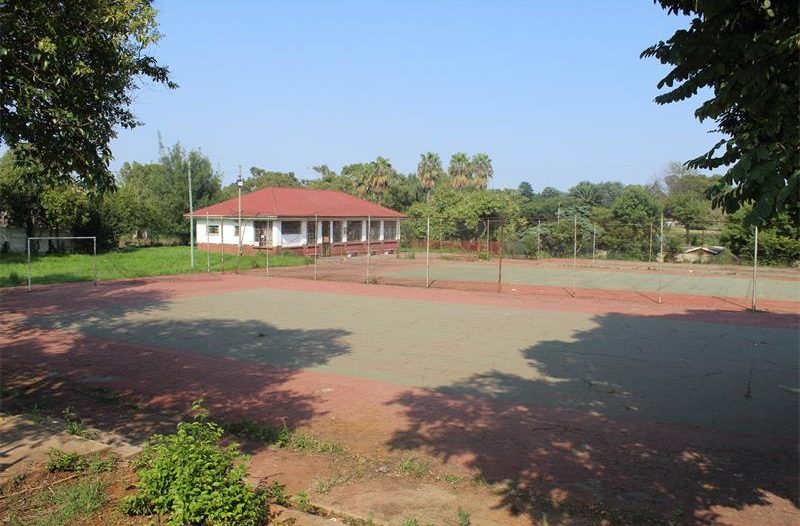
Florida Lake Tennis Club
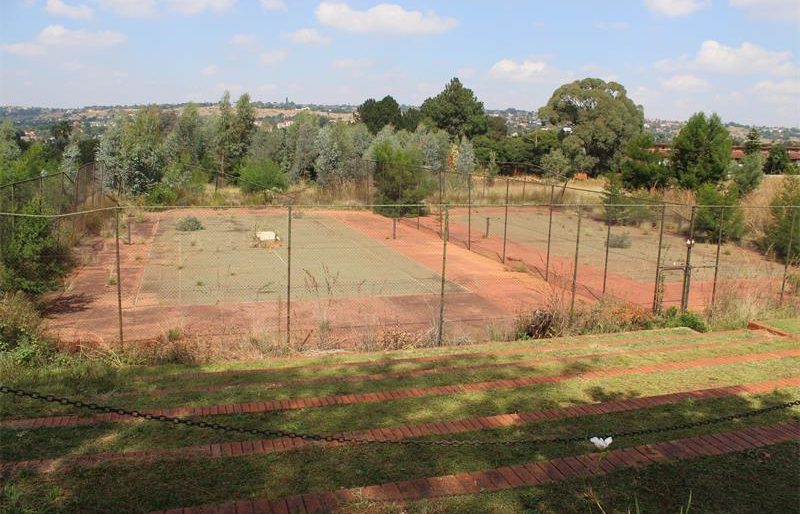
Once a mecca for recreation in the area, the courts have been used sporadically by ad-hoc groups of football players. In a suburb troubled by drugs, a sports facility can be a powerful vehicle for change.
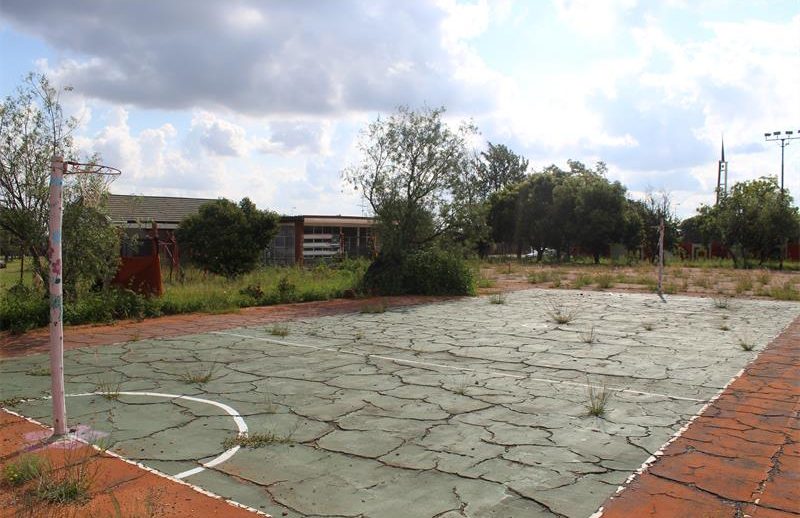
Ampie Barnard Sports Complex
With the dubious honour of having three netball courts and six tennis courts rotting away, the fragmented complex’s central location can provide a sporting venue for multiple suburbs. The site has two clubhouses, currently occupied by other sports clubs that have encouraged collaboration with other groups in the past.
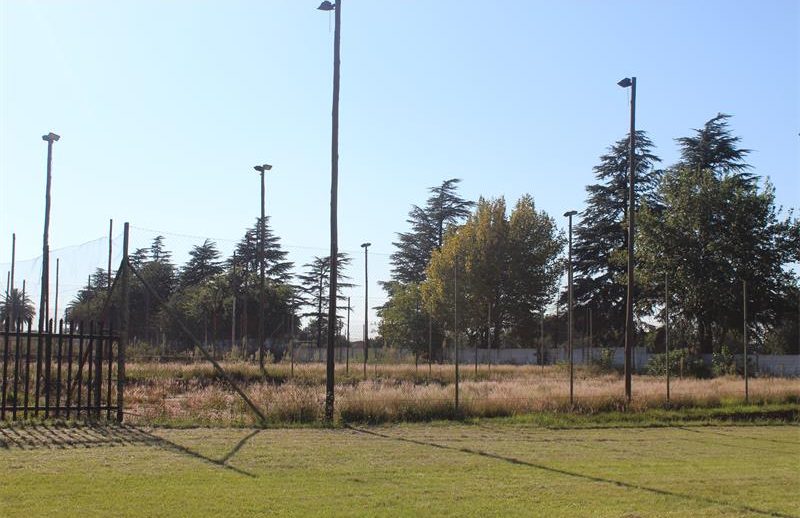
Florida North Tennis Club
Situated in the picturesque park at the top of Main Street, the club features four courts, the foundations of two five-a-side football courts, and the skeleton of a skateboarding park. Once occupied by a youth group, the clubhouse looks more like a residential dwelling with the remains of a Toyota Camry and washing lines adorning the ‘backyard’.
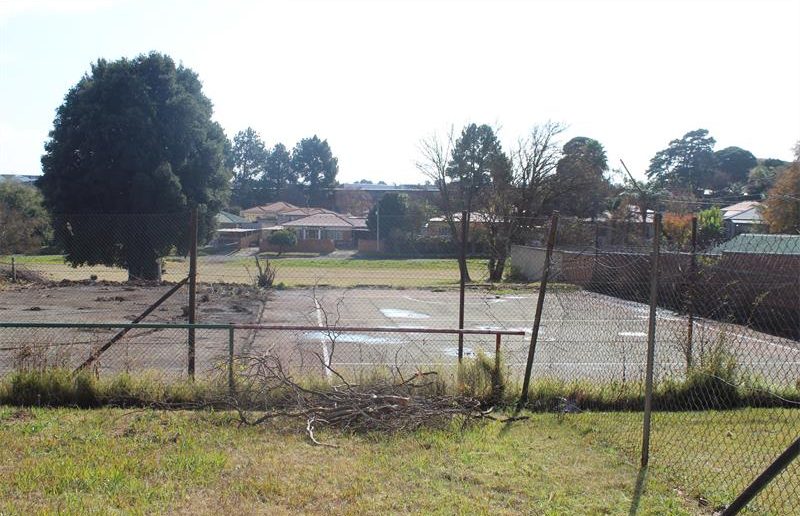
Exner Street
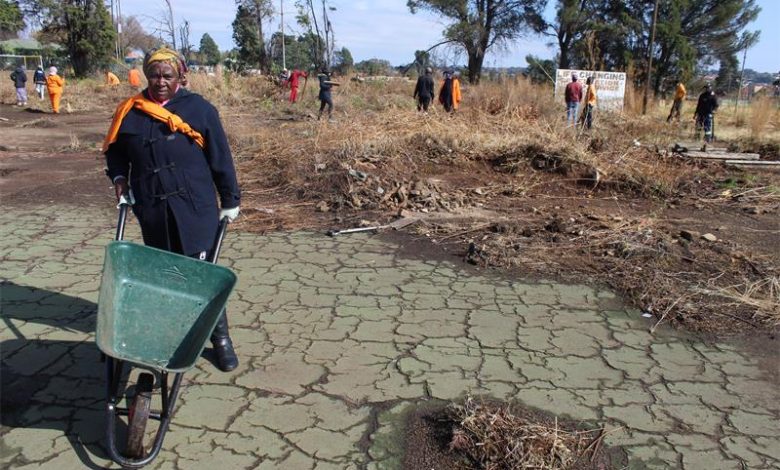
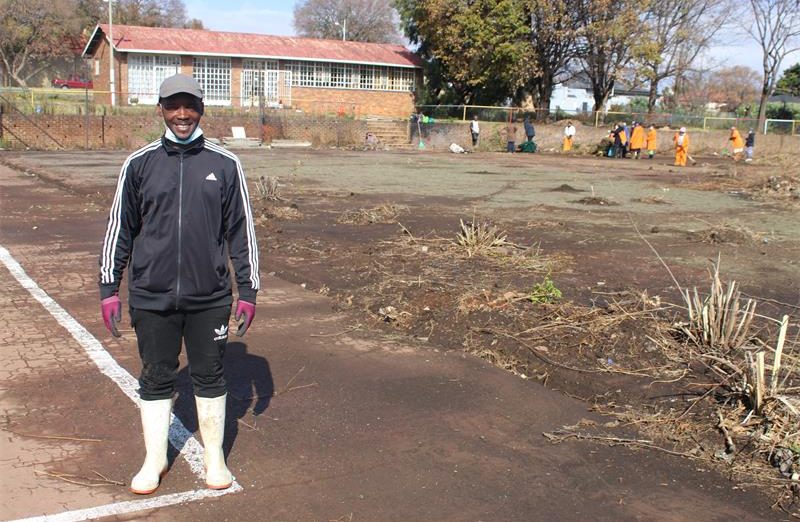
Local residents have shown what can be done with community spirit and the desire to roll up one’s sleeves. The community, led by Roodepoort Sports Academy, have cleaned the courts themselves, providing a space for the youth to play.
Maraisburg, 6th Street
Another example of what happens when a community takes matters into their own hands. Communities United took it upon themselves to clean the courts, involving the children to encourage community participation. Soup kitchens and community events are now the primary activities on the courts.