Individuals’ pride, wealth and personal prosperity are tied heavily to their automobiles.
When purchasing a used vehicle, the first step of ownership is to register the vehicle at the licensing department. To do so, the seller gives the buyer a document, the RC1 Certificate of Registration in Respect of Motor Vehicle form, more commonly known as the face value. This document is essentially the vehicle’s identification document and holds every piece of vital information about the vehicle.
An increasing occurrence is that motorists registering used cars are finding out that their face value document is fraudulent. They find the face value serial number has been registered to another vehicle, cloned or is still listed as stolen or scrapped. In the case of Roodepoort Licensing Department, the buyer must report this to the Johannesburg Metropolitan Police Department (JMPD) office in the building which then confiscates the document and issues the would-be owner with a stamped copy that can be presented to police.
Should the buyer wishing to register the new vehicle not be able to attain a police clearance for the vehicle, the buyer risks having the vehicle impounded indefinitely. The buyer may wish to lay the blame at the feet of the seller, but any dispute around the authenticity of the document becomes a civil matter to be resolved by the courts. The onus is thus on the buyer to ensure that information presented at the point of sale is verified.
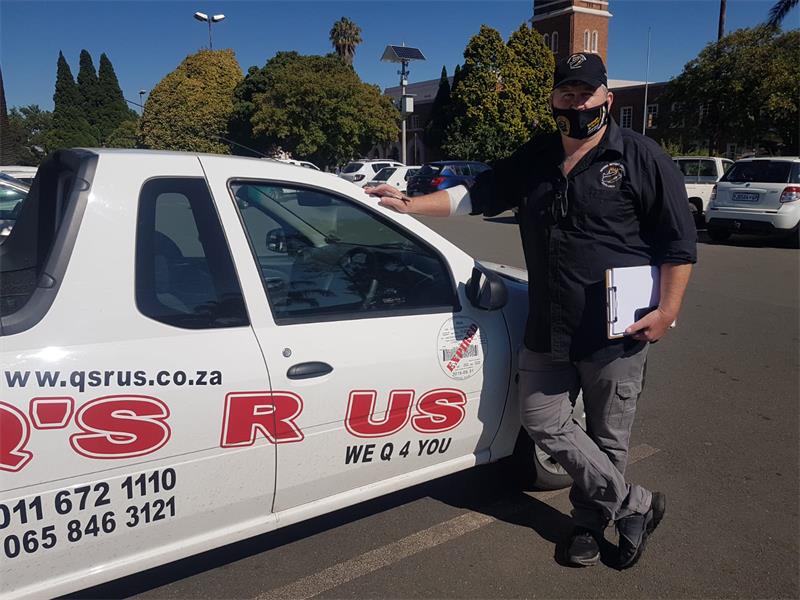
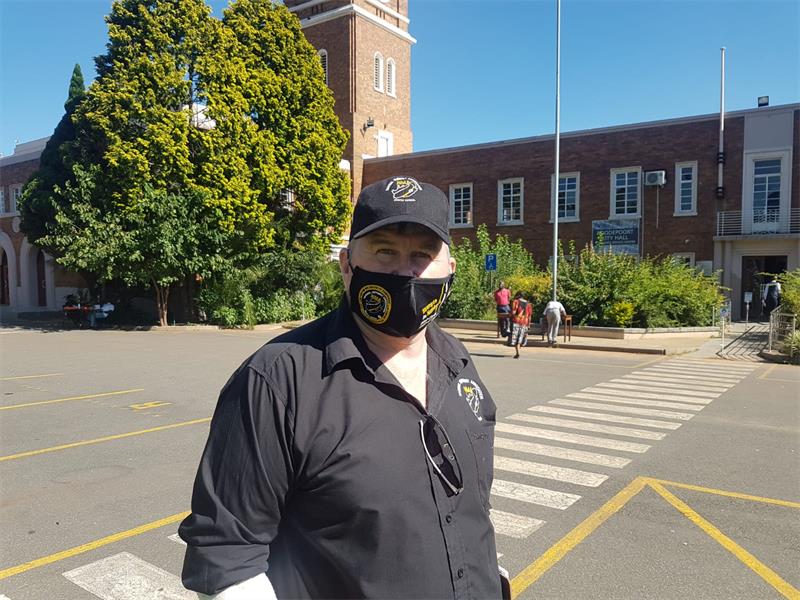
Chairman of the National Motorist Association (NMA), Bobby Gage, deals with registering motor vehicles on a daily basis through his Q’S R Us business. This year, Bobby has had nine such cases where this has happened and lays the blame on the inefficiencies of the eNatis system, believing their record-keeping systems to be exceptionally flawed and having many loopholes to be exploited.
To exacerbate matters, The Rand West City License Department was robbed on February 6, and four boxes of the face values were stolen. Bobby said each box contains roughly 2 000 face values, meaning 8 000 of these vital registration documents will be doing the rounds on the black market. Vehicle Identification Numbers (VIN) and licence plates can be verified through multiple sources but the control numbers on the face value documents are only verified by the teller when presenting the document in person.
According to Bobby, having the matter of forged documents become a civil matter instead of a criminal one does not address the root of the problem. Through the NMA, he is calling on the Road Traffic Management Corporation (RTMC) to increase their efforts to safeguard and track their assets. “Why must it become a civil matter? They need to create a specialised unit to investigate the source of fraudulent documents. Motorists pay R72 per transaction for a billion rand system that is of no benefit,” stated Bobby.
Not being able to verify the authenticity of the RC1 face value upon purchase or online is a feature Bobby would like to see resolved. RTMC spokesperson, Simon Zwane was unable to provide clarity on verification methods, stating, “Our advice is that people should use authorised DLTCs to renew their documents. They should avoid runners or middlemen who promise to do it on their behalf around the corner.”
While JMPD process forged and false documents at the licensing department, JMPD spokesperson Chief Superintendent Wayne Minnaar stated that it is a function of police to investigate the matter. “If the case is just a civil matter, the police will not investigate it,” replied a bemused Bobby. Planning to take the matter to court through the NMA, a baffled Bobby urged, “These face values are the property of RTMC and someone has to start taking responsibility”.