Davidsonville substance abuse treatment centre launched
The establishment is guided by Chapter 5 of the Prevention of and Treatment for Substance Abuse Act 70 of 2008, which advocates for the establishment of community-based services, with a special emphasis on under-serviced areas.
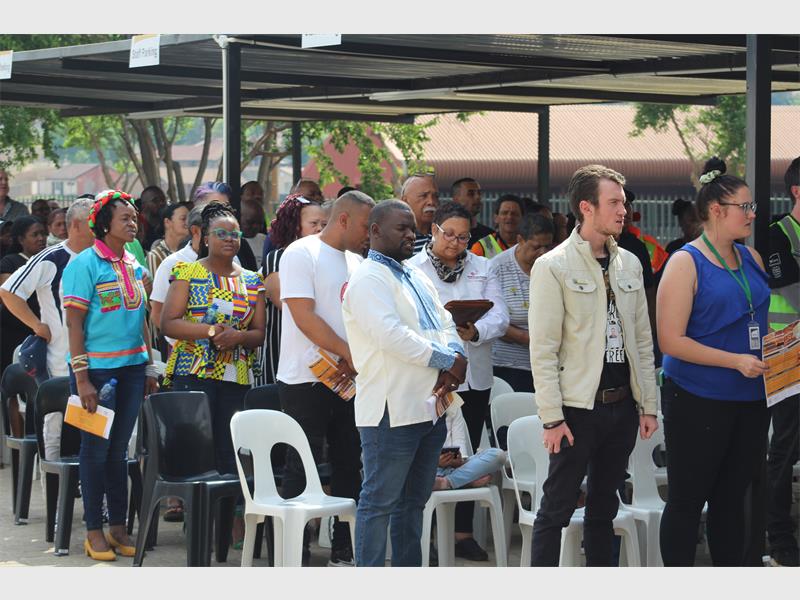
While a price tag can be placed on the inputs of a new community-based drug treatment centre, it’s difficult to quantify in monetary terms the good it will do for the community as a whole.
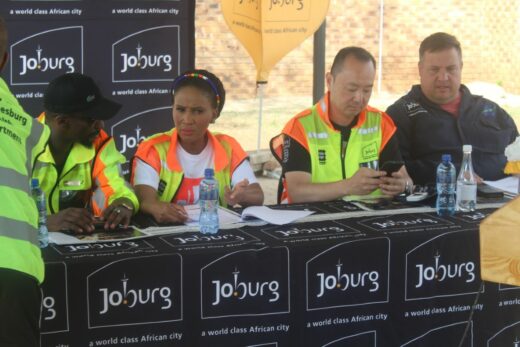
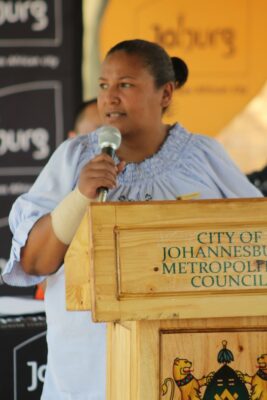
On Friday, September 16 the community of Davidsonville witnessed a positive step towards the redemption of their youth from drugs when the Executive Mayor, Councillor Mpho Phalatse and her team launched the Davidsonville Substance Abuse Treatment Centre.

After the impressive programme was opened with the singing of the national anthem, Programme Director Rosina Masoa introduced the guests and welcomed the community.
Phalatse together with MMCs Ashley Sauls and Michael Sun unveiled the plaque and cut the ribbon.
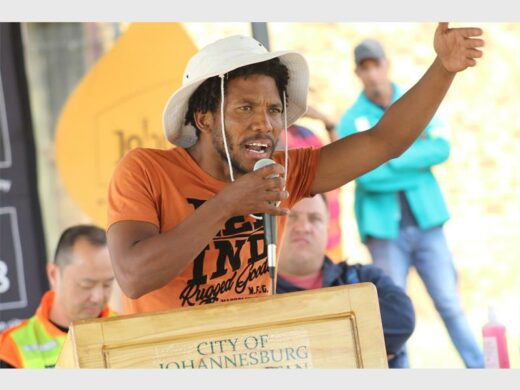
Regional Director, Mlameli Belot conveyed a vote of thanks to the distinguished guests while members of the community filled the venue and showed appreciation by occasional warm rounds of applause.

Addressing the residents Belot highlighted the importance of the facility in tackling the drug issue within the community.
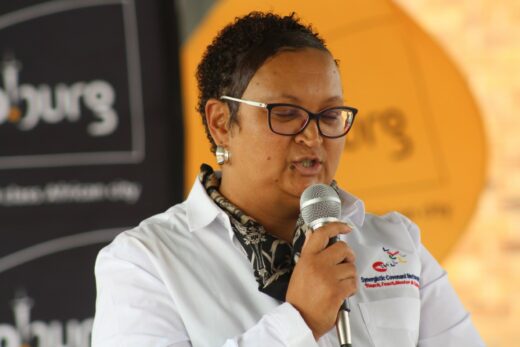
Davidsonville Synergistic Covenant Network Skills Development Centre’s Ellery Booth conveyed a message of support with the launch of the important centre.
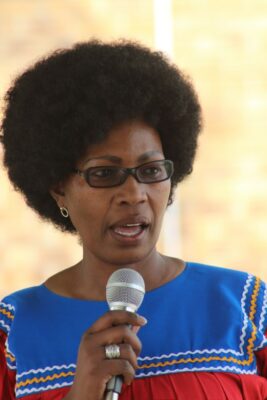
“It brings me a deep sense of joy to be here today to launch the Davidsonville Substance Abuse Treatment Centre, a project that was envisioned during the tenure of the 2016 Multi-Party Government. It is now being brought to life by the new Joburg Multi-Party Government just a few months after being elected to serve the City and its residents.
“This project was not seen as important to the subsequent government administrations, but as a government that has prioritised ‘care’ as driving force, we directed the necessary resources towards this centre, therefore ensuring that victims of drugs are provided with the relevant programmes to unshackle them from the chains of drug dependency, while at the same time being close to their support structures – their family and community,” said Phalatse.
She said it had cost approximately R3 million to build the facility which formed part of the interventions that the Multi-Party Government identified as an immediate priority.
The establishment is guided by Chapter 5 of the Prevention of and Treatment for Substance Abuse Act 70 of 2008, which advocates for the establishment of community-based services, with a special emphasis on under-serviced areas.
Research done by the City revealed that Region C has the second-highest level of alcohol usage, behind only Region A; meaning that the establishment of the centre is like an arm reaching out to help someone who is drowning.
The focus of the facility:
• Early-stage addicts because these programmes tend to focus on techniques for overcoming addiction
• Those cognisant of the fact that they have a drug problem and are motivated to learn how to correct it
• Those who want to maintain their daily routine as much as possible
• People who need to work to help support their family, and students who want to stay on track and need access to support systems
• People in recovery as they need a lot of support
People have different needs when it comes to overcoming addiction, and many outpatient rehab centres offer a multidisciplinary approach to treatment, taking into account several aspects of recovery.
Who qualifies for in-patient services?
• Those who have developed a severe addiction and need the 24-hour support of an inpatient rehab facility.
• Those who are a danger to themselves or others as authorised via a court order.
• Those who face temptation in their day-to-day lives (for example, if their family members or roommates use drugs or alcohol).
• Those who have a history of chronic relapse. They tend to need more support than an outpatient rehab programme can offer.
Both the Health and Social Development Departments have a role to play in operationalising the centre.
The Health Department is responsible for the development of infrastructure, while programme implementation rests with it and the Social Development Department in line with their respective mandates; and so does staffing of critical positions in terms of the medical team and social development staff.