Burst water pipes causing inconvenience and wasted resources for residents and the city
Thousands of litres of drinkable fresh water estimated to have been wasted in a few short days
A precious resource should not be an underappreciated convenience.
At the beginning of November, Johannesburg Water via Rand Water dropped the water restriction levels from level two to one. Citing the stabilisation of the systems, assisted by good rains, they applauded the collaborative effort by Rand Water and municipalities. That positive turn has not mirrored the scene on the ground as various water bursts have turned streets into temporary rivers.
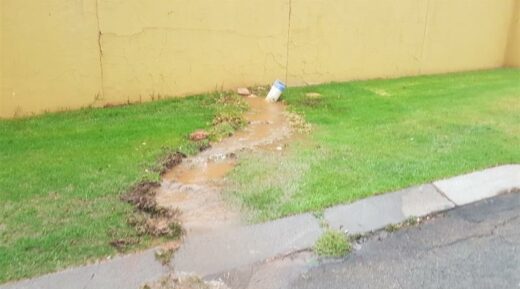
Multiple burst pipes ruined days and weekends while an incalculable amount of drinkable fresh water went down literal drains. Footage of a burst pipe in Waterval Road was widely shared on Friday, October 21 with the repair completed that Sunday. On 28 October, a water meter was crushed on Fairview Drive in Constantia Kloof and the next morning a motorist flattened a water meter on Albert Street, both being fixed that weekend.
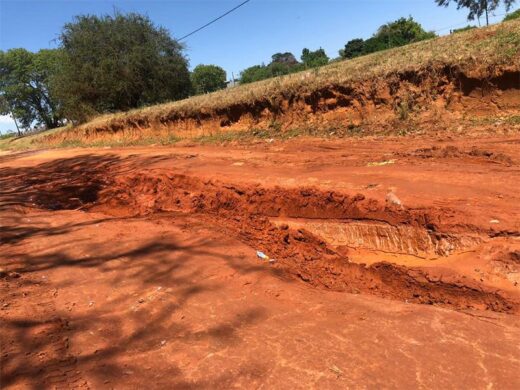
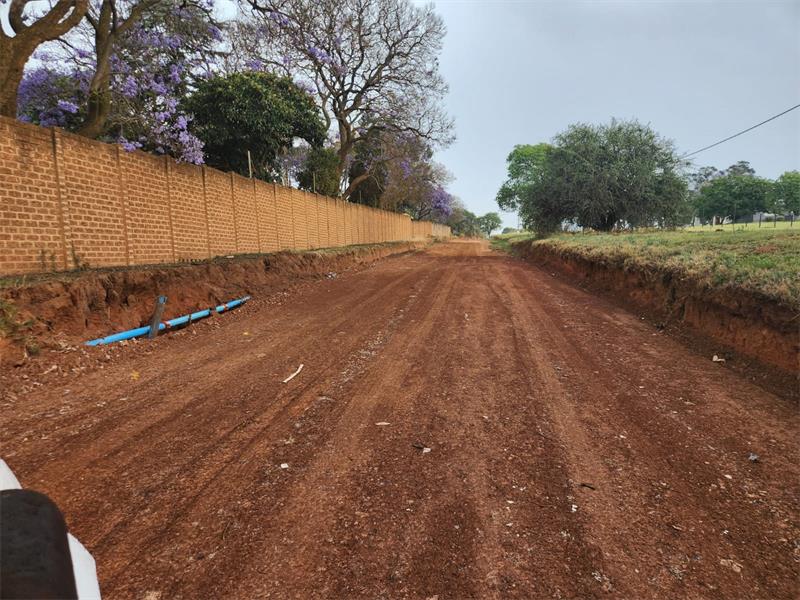
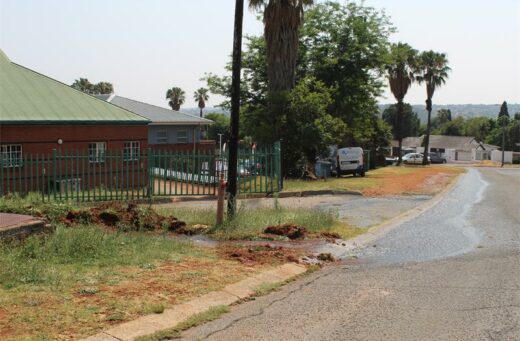
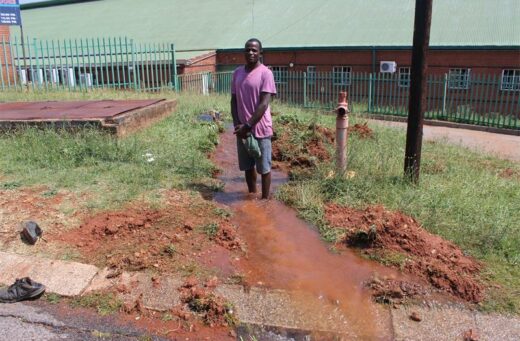
On the same weekend at the Little Falls burst, a pipe burst in Glover Road in Honeydew. That pipe was repaired by Sunday evening but began leaking heavily the next day. The dirt road became a mud pit with a school bus and several residents getting stuck in the sandy sludge that Monday. When the road dried it was near impossible to navigate so with the help of a business in the area, Honeydew Residents Association members assisted in restoring the dirt road surface.
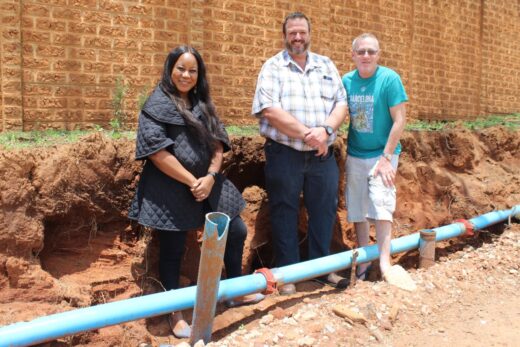
These are just a few examples and admittedly, all the pipes were repaired within the time frame Johannesburg Water aim for. The entity’s spokesperson, Puleng Mopeli, stated that their turnaround times are 24 to 48 hours once reference numbers have been allocated. Revealing the scale of the task at hand, Mopeli said “The entity attended to 108 bursts on a daily basis as of the last financial year ending on 30 June 2022. One of the main challenges faced by the entity is aged infrastructure leading to bursts as well as damaged and vandalised infrastructure”.
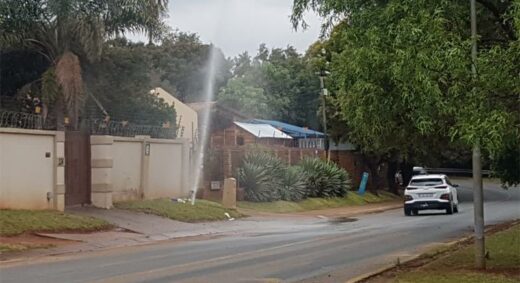
Unable to provide an exact figure of how much water is lost with each burst, Mopeli said “The water lost is difficult to calculate as the pressure varies. It is dependent on the size of the meter, system pressure as well as consumption patterns”. The burst pipes and the yo-yoing of the water restrictions highlights the fragile infrastructure and how taken for granted the process of getting water from dams to taps is.
Information indicates that the challenges with pressure and restrictions are indeed more infrastructural than an availability of water as dams are near capacity. “The country’s largest Water Supply System, the Integrated Vaal River System (IVRS), which comprises of 14 dams across four provinces dipped marginally from 94.5% last week to 93.8% this week,” said the Department of Water and Sanitation via media statement on October 6.
Johannesburg Water encourages residents to maintain their water saving efforts by not leaving taps dripping, shortening shower times, reusing grey water and harvesting rainwater. Customers are to report any form of vandalism and theft of water infrastructure to 0800 00 25 87 and can report all bursts and leaks to the 24-hour hotline on 086 056 2874 or SMS line on 076 333 5052. Additionally, residents can email customer@jwater.co.za or Tweet @JHBWater.