
PICTURES: Durex and (RED) committed to the fight against HIV/Aids
JOBURG – (Durex) RED bus drives fight against HIV/Aids.
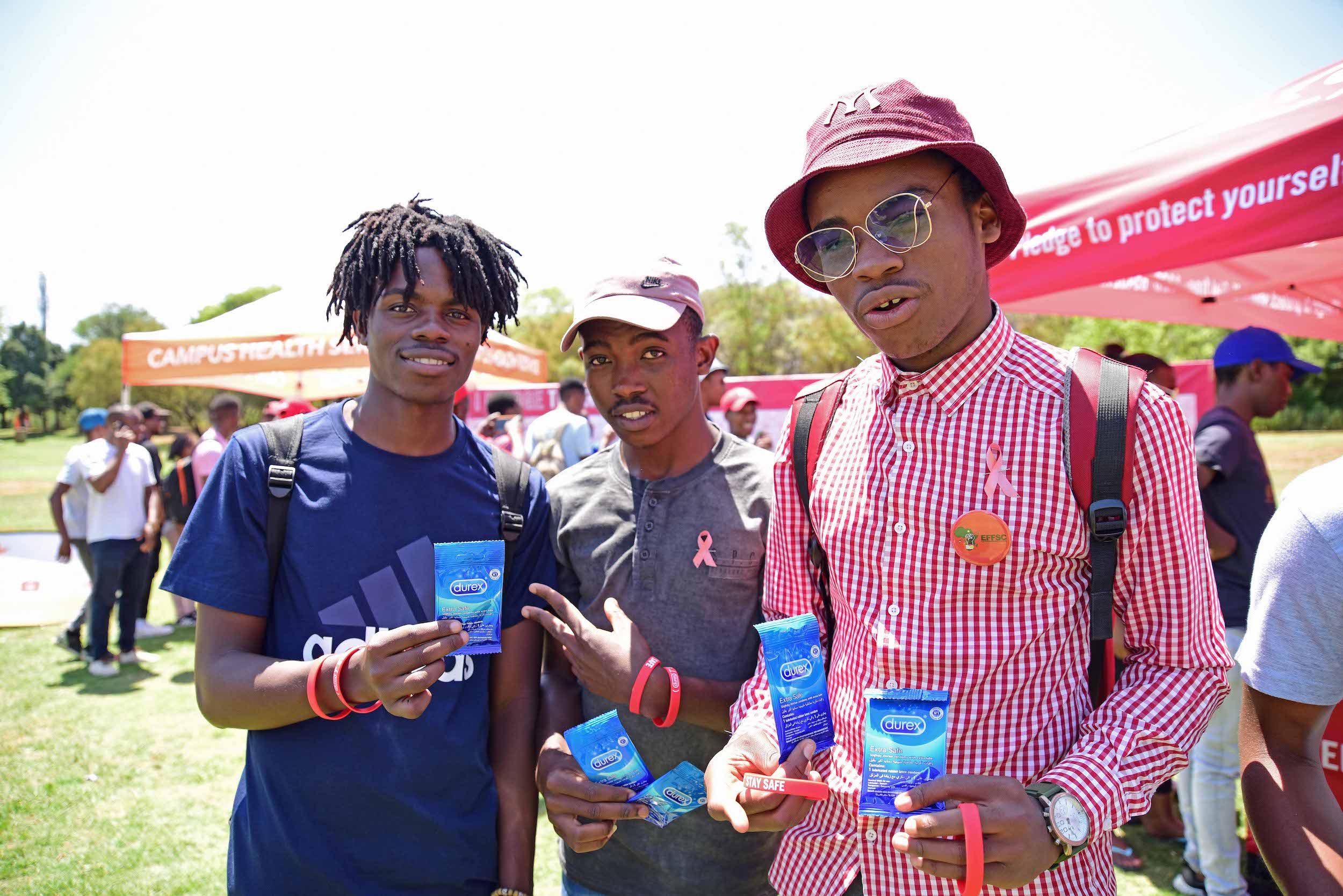
As part of its commitment to fight HIV/Aids in Africa, Durex has partnered with (RED), a global non-profit organisation committed to ending the HIV/Aids pandemic by partnering with iconic brands to raise money for the Global Fund.

The partnership will include a global donation of $5 million to the Global Fund which includes proceeds from the sale of specially marked (Durex)RED condom packs sold in South Africa. The condoms have been available at Clicks, Dischem, Pick n Pay, Engen, Sasol and Total outlets from 1 October and are expected to be on the shelves until 31 December.
A (Durex)RED bus has embarked on a roadshow touring communities in and around Gauteng, promoting condom use, as part of the campaign launch in South Africa. The roadshow saw the bus provide sex education and distribution of more than 150 000 free condoms.

Dr Tlaleng Mofokeng, board member and Africa representative on the Durex Global Advisory for Sexual Health and Wellbeing, said the (Durex)RED Gauteng roadshow will empower residents with the information they need to make more informed decisions about their sexuality.
“Gauteng is home to about a quarter of South Africa’s people, 17,6 per cent of whom are living with HIV/Aids,” said Dr Mofokeng.

During October, the (Durex)RED bus hit the streets visiting Braamfontein, Elandsfontein, Mamelodi, Cosmo City, Thembisa, Sebokeng, Thokoza, Soweto, Alexandra, Soshanguve and
Ga-Rankuwa. At all activation points, residents were encouraged to participate in and support the fight against HIV/Aids by signing the (Durex)RED pledge wall while those who were not able to make it to the events were urged to pledge to protect themselves by dialling *120*654321# for free on their mobile phone or visit www.durex.co.za/red to take the pledge online.

Funds raised by (Durex)RED will go to The Keeping Girls in School programme in South Africa. The programme aims to reduce new HIV infections and pregnancies among young women, improve access to sexual and reproductive health services, comprehensive sex education in schools, and encourage more girls to stay in education.