Be mindful of where your food comes from and eat sustainably
ROSEBANK – Local chef James Diack discusses how locals can eat more consciously and sustainably.
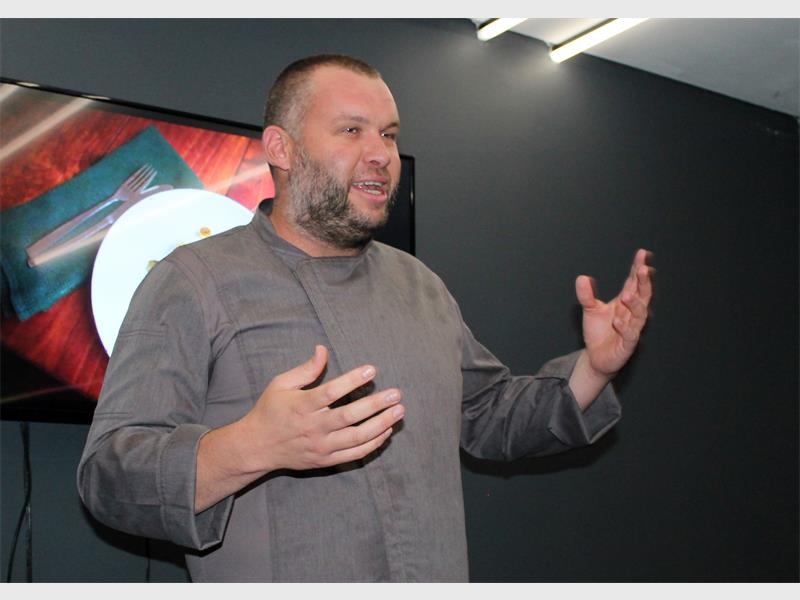
Food lovers gathered to learn how to eat more sustainably from renowned local chef James Diack at the Keyes Pantry Market on 28 September.
He owns four restaurants including Coobs in Parkhurst, II Contadino in Parkhurst, Douglas + Hale in Parktown North and La Stalla in Melville.
Diack, who grew up on a farm, said that he hated his job after working in fine dining for some time. “I woke up one day and hated cooking because I couldn’t bear the lack of respect for ingredients and wastage.”
After touring the Italian region of Tuscany for three weeks, his perspective changed.
“I came home and embarked on a food pilgrimage and visited Spain where I saw restaurants living out of gardens. I then decided to start Coobs.”
He built up the farm owned by his parents and raised free-range pigs and chickens so that Coobs could begin to become 35 per cent sustainable off the farm.
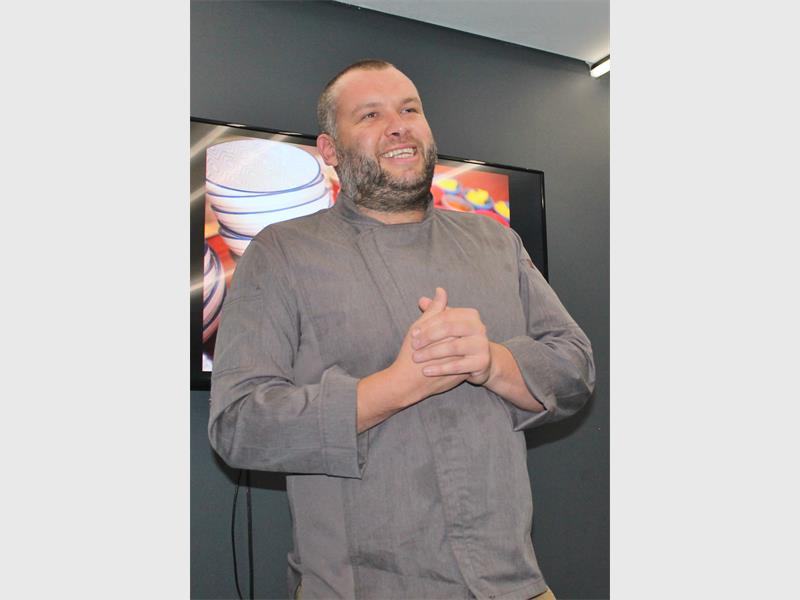
“I learned that as much as you want to be self-sustainable, you have to keep the customer happy,” said Diack who decided to meet farmers and check if their produce was really free-range.
He visits all the farms from which his restaurant sources meat and produce and has endeavoured to use this produce in its entirety. This means using the pig from nose to tail and lettuce from root to leaf.
He explained that it can be challenging to please customers who want pork crackling when his pigs have less fat on them since they search for their food.
“Sometimes food is out of season, not out of stock. This is challenging in the supermarket-cooking generation we live in, where people don’t understand what the seasons are.
“You can enjoy plums at my restaurants for two months of the year, but not all year round.
“As a food culture, we need to embrace what we can get now and not what we want now.”
He also explained that having his own farm is not less expensive than outsourcing since he refuses to use hormones and bad insecticides and loses more chickens to predators than other farmers do.
“People ask, ‘Why is this expensive?’ I explain that you can negate your costs by eating less. Portion size is valued too much in South Africa. Serving something slightly smaller at the same price is real value. You will feel satisfied but not stuffed.”
He encouraged those present to be mindful of where their food comes from and use food in its entirety to become more sustainable.
Related article:
Consider eating insects to improve your health and the planet’s sustainability