
When you’re gone, who will take care of what you’ve left behind?
Choosing the right Executor is about more than paperwork. It's about making sure your family has the right support when they need it most.
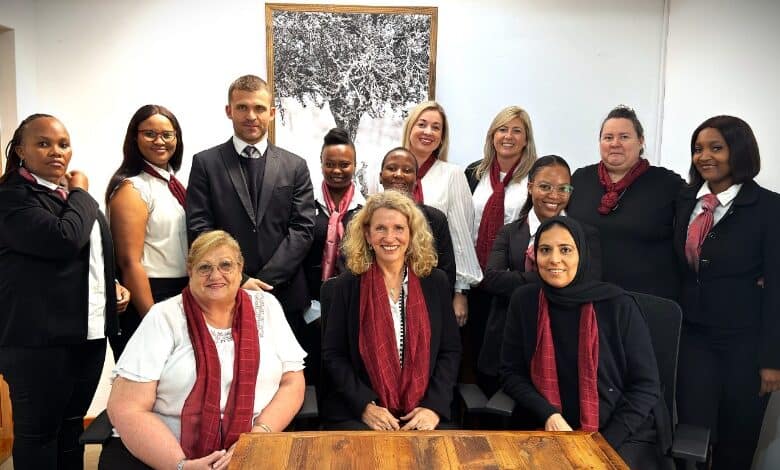
Losing someone you love is never easy. Along with the grief comes a long list of practical matters that need attention, from sorting out finances and property to understanding what happens to the possessions and assets a loved one leaves behind.
It’s not something most of us enjoy thinking about. But making a few important decisions today can spare your family unnecessary stress, confusion and uncertainty in the future.
One of those decisions is choosing the right Executor for your estate.
What exactly does an Executor do?
An Executor is the person responsible for administering your deceased estate, ensuring that your affairs are dealt with according to your will and the requirements of the law.
Their responsibilities can include identifying and valueing assets, dealing with outstanding debts, managing the necessary legal and financial processes, and ensuring that beneficiaries receive what they are entitled to.
It can be a complicated process, particularly when property, investments or multiple beneficiaries are involved.
And while the legal responsibilities are important, there’s another side to the role that shouldn’t be overlooked: the people left behind.
Why your choice of Executor matters
Imagine having to navigate legal documents, financial decisions and unfamiliar procedures while still coming to terms with the loss of someone close to you.
For many families, this is exactly what happens.
Having an experienced professional to guide them through the process can make an enormous difference.
It’s not simply about getting the paperwork done. It’s about having someone who can explain what needs to happen, answer questions, provide updates and help a family understand each step along the way.
That’s why choosing an Executor deserves careful consideration.
Rather than making the decision based on convenience alone, consider appointing a qualified attorney or professional who specialises in deceased estate administration.
Someone who understands the legal process, but also recognises that behind every estate is a family dealing with loss.
Is your will up to date?
Having a will is an important first step, but it’s equally important to ensure that it reflects your current circumstances and wishes.
Life changes. Families grow, relationships change, properties are bought or sold, and financial circumstances evolve.
A will that was drawn up years ago may no longer reflect what you want for the people closest to you.
Taking the time to review your will and consider who should administer your estate can help prevent unnecessary complications later.
If no Executor has been nominated, the Master of the High Court may need to appoint one, potentially adding another step to an already difficult process.
A little planning today can make a difference tomorrow
For more than 30 years, J Bredenkamp Incorporated has provided professional services relating to Wills, Executorship, Property Transfers and Deceased Estate Administration.
The firm understands that Estate Administration is about more than legal procedures. It’s also about helping families navigate a difficult time with professional guidance, personal attention and compassion.
Whether you’re drawing up your first Will, reviewing an existing one or considering whom to appoint as Executor, seeking the right advice now can make things easier for those you leave behind.
Because while you cannot take away the sadness of losing someone, you can take steps to make the practical side of that loss a little less overwhelming.
Is your will in order, and have you chosen the right person to carry out your wishes?
Contact J Bredenkamp Incorporated | Executor Law for professional assistance with Wills and Estate Administration.
J Bredenkamp Incorporated | Executor Law
Tel: 011 023 8701/2 or 079 394 2574
Email: info@executorlaw.co.za
Website: www.executorlaw.co.za