Civil society leaders gather at Constitution Hill to target South Africa’s alcohol harm
Health experts and government representatives have joined forces at a three-day summit to map out actionable plans against alcohol abuse.
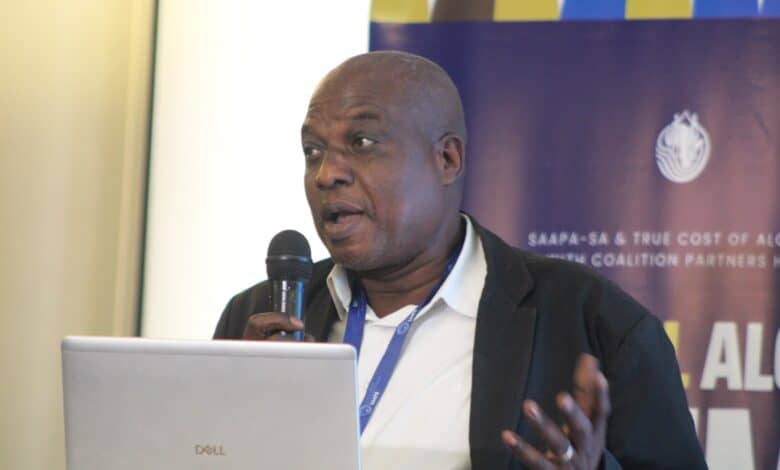
Health experts and civil society leaders recently gathered at Constitution Hill for a three-day national summit to address the devastating impact of alcohol on local communities.
The Southern African Alcohol Policy Alliance in South Africa (Saapa SA) and the True Cost of Alcohol national civil society campaign hosted the gathering under the theme: What needs to change? Reimagining South Africa’s response to alcohol harm.
Read more: Shareholder meeting highlights items the Rosebank Management District is dealing with
Saapa SA campaign director Nomcebo Dlamini said the summit aims to bring the conversation around alcohol to a local level to help communities realise its true impact.
“We’ve also done studies that have indicated that where there were more taverns, there were more cases of gender-based-violence (GBV),” said Dlamini. She added that the summit exists to encourage actionable plans in society.
Stakeholders from government, Parliament, civil society, research institutions, youth groups, and communities attended to engage in national dialogue on policy, legislative, institutional, and societal changes required to reduce alcohol harm.
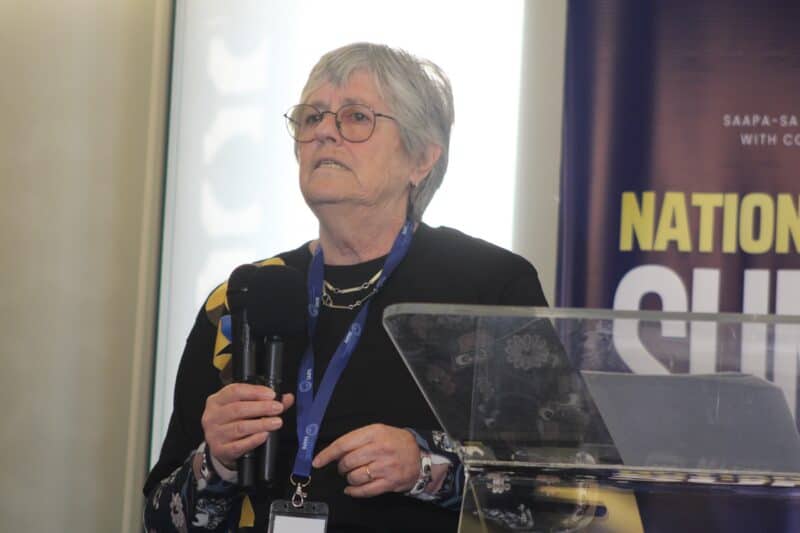
Professor Sue Goldstein, of the Wits Centre for Health Economics and Decision Science, emphasised the severe health dangers linked to drinking, noting that high blood pressure, diabetes, and heart disease are some of the conditions exacerbated by alcohol, which has been on the cancer list since 1983.
Goldstein added that stopping foetal alcohol syndrome requires young women to stop consuming alcohol, as the harm occurs before they discover they are pregnant. “Alcohol also leads to drunk driving, and one of the problems with that is that 50% of the people who die from the crashes are not the drinkers – they’re innocent drivers involved in the crashes,” Goldstein said.
Also read: Houghton Estate children’s communication centre marks 50 years
Department of Social Development’s Acting Chief Director for Social Crime Prevention and Anti-Substance Abuse Mogotsi Kalaemodimo said the department is mandated by three pillars: supply reduction, demand reduction, and harm reduction.

“Social development focuses on demand reduction, which is made up of prevention, early intervention, and treatment. We also look at harm reduction, which is approached through three societal levels: reducing harm for the individual, addressing family troubles, and looking at the broader community,” Kalaemodimo said.
The summit aims to establish actionable plans to be tested over the next 12 months, which will also determine Saapa SA’s future objectives.
Follow us on our Whatsapp channel, Facebook, X, Instagram and TikTok for the latest updates!