Johannesburg Crisis Alliance rallies civil society for ethical leadership in local elections
Johannesburg Crisis Alliance urges residents to vote for ethical leadership in upcoming local elections.
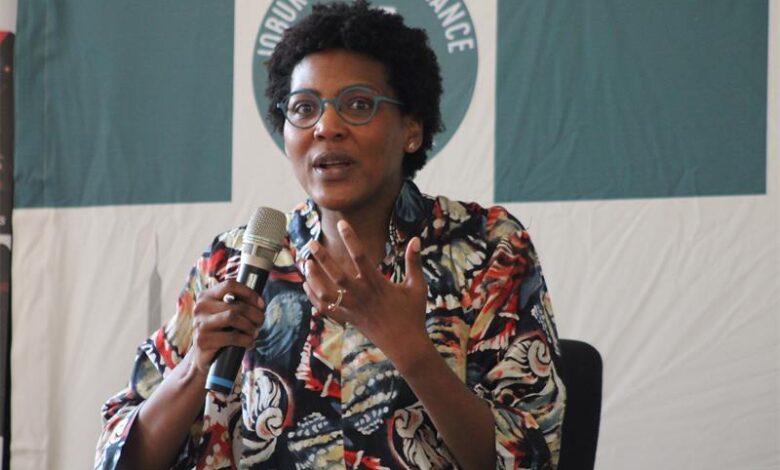
More than 250 representatives of civil society organisations and communities gathered at Parkview Senior School on October 17 for Summit-10, organised by the Johannesburg Crisis Alliance (JCA) under the theme: Civil Society Commits to Bringing Hope and Change to Johannesburg.
The attendees committed to sustained civic action to restore accountable governance and reliable service delivery in the city.
Read more: My Vote Counts and JCA break down municipal coalition rules and hung councils
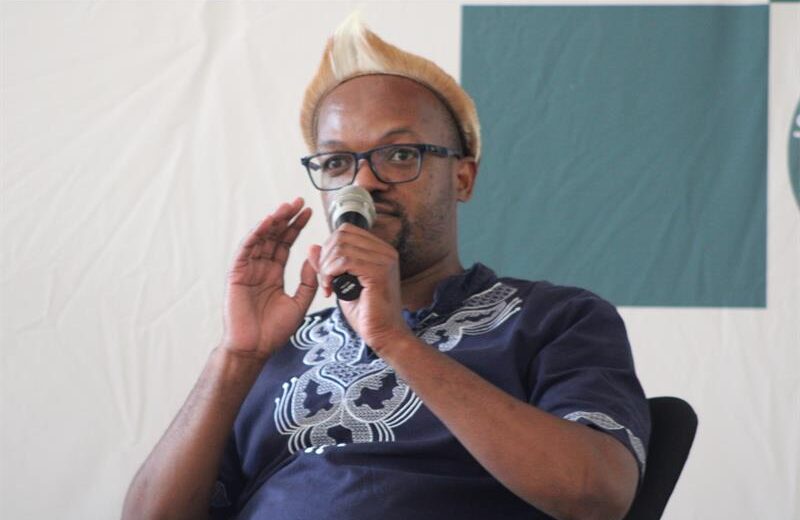
Chartered accountant and academic Khaya Sithole led a conversation on the election context for Johannesburg with Public Affairs Research Institute executive director Dr Sithembile Mbete.
Mbete stressed the important role community members play in local elections.
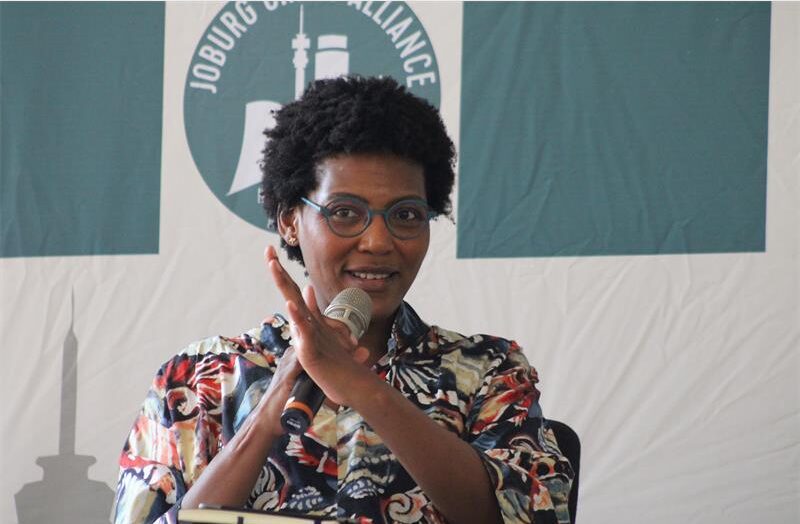
She explained that of the 270 seats in the Johannesburg council, 135 are ward councillors elected directly by citizens, whether running independently or within a political party.
She added that a ward councillor is the only person in the system citizens can elect directly, making it vital for residents to know who candidates are, what commitments they make, how they plan to achieve their goals, and what past representatives have delivered.
“The other 135 seats are distributed according to how many votes a political party wins, which is under the PR ballot,” Mbete noted.
She highlighted that the upcoming elections are consequential, especially following the establishment of the Government of National Unity (GNU).
“It is an election that is not only about the local government context, but a judgment or a test of how satisfied or dissatisfied people are with the GNU elected in 2024,” she said. “For cities like Johannesburg, it’s a critical election which over the last 10 years has seen decline and instability in service delivery and governance.”
An examination of the City of Johannesburg’s 2015 annual report revealed a multi-billion-rand budget surplus, with approximately 8% allocated to capital expenditure for infrastructure repairs, reflecting a period of greater municipal stability.
“The unhappiness then was due to a lot of national issues, but there was a sense that there was a bit of improvement being made with all of the changes, including the coalitions. Although the books of the city may have looked much better in 2015 than they look now, delivery wasn’t being felt rapidly or broadly enough, which contributed to the loss of the administration’s elections in 2016.”
Also read: Joburg Crisis Alliance summit tackles governance and municipal election context in Parkview
Mbete added that the city is in a worse position now because no surplus exists, while it grapples with significant debt and severe revenue collection challenges.
Civic watchdog to scrutinise municipal spending
The JCA launched its ‘Residents’ Call to Save Joburg’, setting out eight commitments for candidates and 10 priority actions against which the new administration’s first-year performance will be measured.
Concerned about corruption, organised crime and deteriorating municipal services, the summit called for an independent commission to investigate criminality, civilian oversight of the Johannesburg Metropolitan Police Department (JMPD) and stronger national law enforcement intervention.
A major outcome was the decision to establish an independent, citizen-led Civic Watchdog to follow the money by scrutinising municipal budgets, expenditure, procurement and contracts. The objective is to expose corruption, waste and mismanagement and establish why billions in municipal revenue fail to translate into reliable services.
The summit concluded with a call for residents to vote for ethical leadership on November 4 and remain actively involved in holding the new administration accountable.
Follow us on our WhatsApp channel, Facebook, X, Instagram and TikTok for the latest updates!