
Civil society targets alcohol harm at Constitution Hill summit
Key stakeholders unite to push for stronger policy changes, community action, and health interventions.

Civil society leaders, government representatives, and research institutions gathered at Constitution Hill from October 1 to 3 to develop solutions for reducing alcohol-related harm.
The National Alcohol Summit 2026, hosted by the Southern African Alcohol Policy Alliance in South Africa (SAAPA SA) under the theme:
What needs to change? Reimagining South Africa’s response to alcohol harm, brought together stakeholders from parliament, civil society, youth, and local communities to engage in national dialogue on policy, legislative, institutional, and societal changes.
Read more: The Johannesburg Philharmonic Orchestra launched its 2026 World Symphony Series Summer Season
A key outcome of the summit was the development and adoption of a Constitution Hill call to action, together with a 12-month accountability framework to support continued action and stakeholder accountability beyond the summit.
SAAPA SA campaign director Nomcebo Dlamini said the gathering aims to bring discussions around alcohol to a local level so communities understand its true impact, noting studies indicate areas with more taverns report higher cases of gender-based violence (GBV). She added that the summit exists to encourage actionable plans in society.
Health risks and social impact
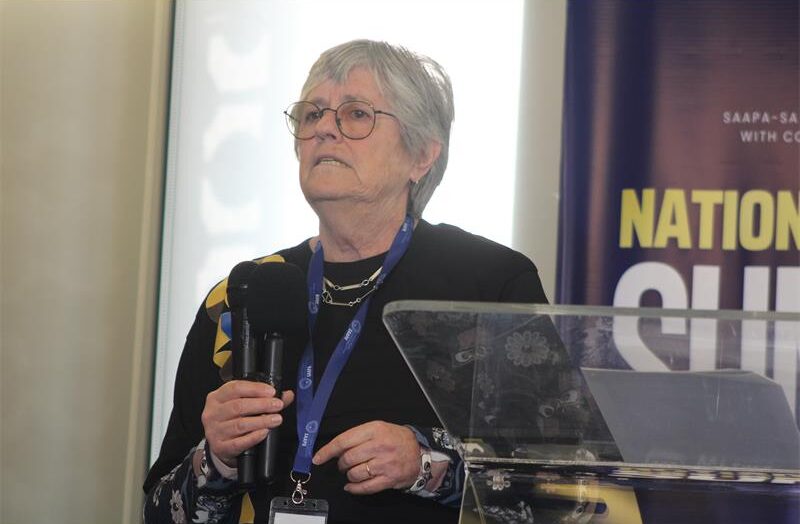
Professor Sue Goldstein, from the Wits Centre for Health Economics and Decision Science, warned of severe health dangers linked to drinking, explaining that high blood pressure, diabetes, and heart disease are exacerbated by alcohol, which has been on the cancer list since 1983.

Goldstein stated that stopping foetal alcohol syndrome requires young women to stop consuming alcohol, as harm occurs before pregnancy is discovered.
Also read: Shareholder meeting highlights items the Rosebank Management District is dealing with
She added that drunk driving remains a major danger, with 50% of crash fatalities involving innocent non-drinkers.
Government response
Department of Social Development Acting Chief Director for Social Crime Prevention and Anti-Substance Abuse Mogotsi Kalaemodimo explained that the department operates on three pillars: supply reduction, demand reduction, and harm reduction.
“Social development focuses on demand reduction, which is made up of prevention, early intervention, and treatment.
We also look at harm reduction, which is approached through three societal levels: reducing harm for the individual, addressing family troubles, and looking at the broader community,” Kalaemodimo said.
Follow us on our WhatsApp channel, Facebook, X, Instagram and TikTok for the latest updates!