‘War creates a situation rife for misinformation’
PARKWOOD – Le Roux explained that this is the first time that a war has been broadcast minute-by-minute on social media, creating an environment which is rife for misinformation.
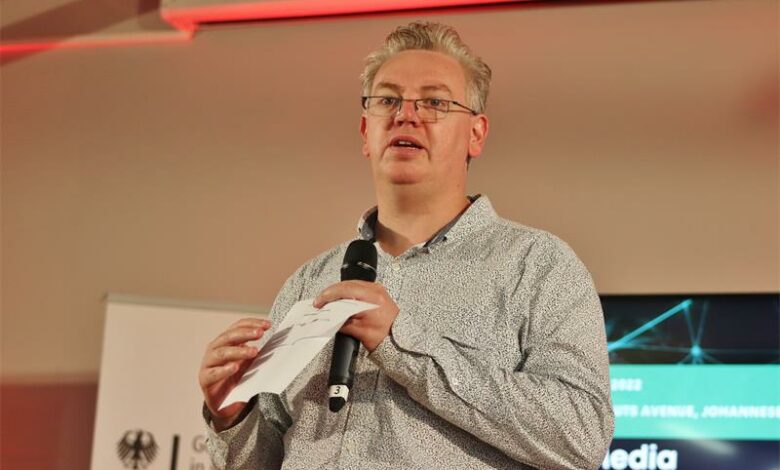
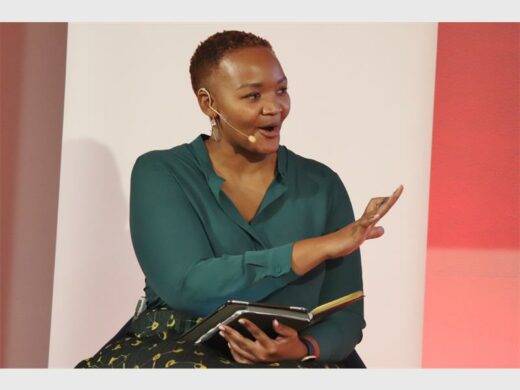
Panellists discussed the ecosystem that the war in Ukraine has created for disinformation at the Goethe Institut in Parkwood on March 30.
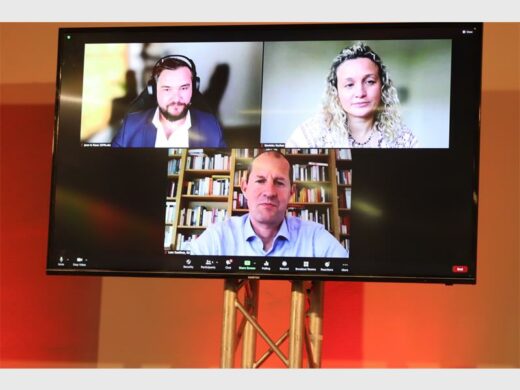
Media Monitoring Africa, the Goethe Institut, IFA and the German Embassy hosted a panel discussion with a number of stakeholders including Professor Everisto Benyera (associate professor of African politics in the Department of Political Sciences at Unisa), Lutz Güllner (head of the division for strategic communications and information analysis in the European External Action Service), Dzvinka Kachur (fellow at the Centre for Complex Systems in Transition at Stellenbosch University) and Jean le Roux (research associate at DFRLab).
Panellists discussed the position of South Africa in relation to the conflict in Ukraine, with some standing by the decision taken by the South African government in relation to the conflict, while others believed it was not neutral.
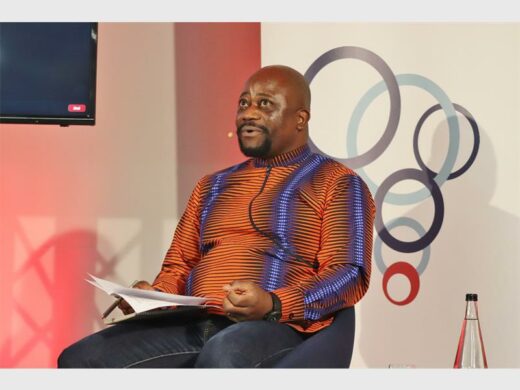
Benyera said the decision of the South African government was guided by their past.
“In the view of South Africa, there are not two options in this war. There is a third option of peacebuilding and negotiation,” said Benyera.
Kachur said that South Africa’s stance ignored Mandela’s ideal of stopping violence before beginning peace talks. Kachur said the local government had failed to call for an end to the violence.
She added that the war was not one of equals. “We know who the oppressed and the oppressor is,” said Kachur.
Güllner said the military action of Russia was in no way provoked by Ukraine. He added that the Russian state was using information manipulation as a tool to underpin military aggression. Güllner also stood by the decision of the EU to ban a number of Russian media outlets.
However, Benyera believes the West is using media as an instrument of warfare.
“We need the freedom to watch Russia Today, BBC, CNN and inform our opinions,” said Benyera, adding that during this time of sanctioning, the media’s ethical journalism has ended up in the ICU.
Le Roux explained that this is the first time that a war has been broadcast minute-by-minute on social media, creating an environment which is rife for misinformation.
“We are so reliant on external sources of information that it is difficult to understand what is the truth. It is difficult to know who you can trust. Is it Russian or Ukrainian propaganda?” said Le Roux.
Benyera concluded by saying that is a challenge to uncover the truth in the complex narrative that is the war in Ukraine.
“The truth that one seeks is conditioned by where you begin the narrative,” said Benyera.
ALSO READ:
Children should not be underestimated by the media #MediaFreedomWeek