Heartbreak becomes a journey of healing and hope
Through her work with diverse communities and as a house parent at NWU, Nthabiseng continues to show how empathy, listening and shared stories can inspire healing and restore hope.
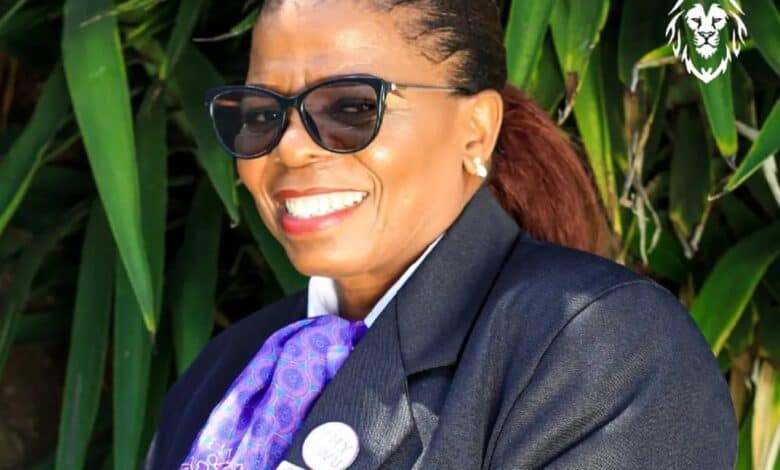
Nthabiseng Maseko’s journey is a testament to how personal pain can become a powerful source of purpose. What began as a search for healing after the breakdown of a long-term relationship has evolved into a mission to help others confront their wounds, reclaim their voices, and find hope beyond their pain.
Nthabiseng, a faculty librarian and house parent, was introduced to the Institution for Healing of Memories (IHOM) at a time when she was struggling to process the emotional impact of separating from the father of her children. She joined the workshops seeking healing for herself, unaware that the experience would eventually transform her into a facilitator helping others navigate their own journeys.
“I joined Healing of Memories because I needed help processing my own pain,” she recalls. “At that stage, I never imagined that my story would one day help others heal.”
As she progressed through the programme, facilitators recognised her ability to connect with people and encouraged her to train as an IHOM facilitator. Today, she has facilitated numerous workshops across Gauteng, sharing her story with hundreds of people from diverse communities. In the process, she discovered that healing is something that grew each time she helped another person.
“There was a time when I told my story from a place of hurt; today, I tell it from a place of hope. The pain no longer controls the narrative.”
Through IHOM, Maseko has worked with members of the Sharpeville Six families, survivors and families affected by the Sebokeng and Boipatong massacres, refugees and asylum seekers, people living with HIV/AIDS, youth groups, women’s organisations and interfaith communities.
These encounters have reinforced her belief that healing begins when people are given the space to share their stories without judgement.
“Whether someone has experienced political violence, displacement, stigma, loss or family breakdown, the common need is often the same,” she explains. “People need acknowledgement. They need to know that their experiences matter and that healing is possible.”
This philosophy has profoundly shaped her work as a house parent at the NWU, where she encounters students carrying challenges that often remain hidden behind the demands of university life.
“As a house parent, I meet students from very diverse backgrounds. Many are facing challenges that are not visible to others. My journey with Healing of Memories taught me the importance of listening with empathy and creating safe spaces where people can share their stories.”
The woman who once entered a healing workshop searching for restoration has become a source of encouragement for others.
Maseko continues to demonstrate that sometimes the most powerful gift we can offer another person is the courage to listen, the grace to acknowledge their pain, and the hope that healing is possible.