Disability, Sports and Recreation…
"To promote disability sports is to affirm that disabled lives matter."
SEDIBENG.- The history of disability sports is rooted in resilience and determination. Emerging after World War II, when thousands of injured soldiers sought rehabilitation, sports became a powerful tool for restoring dignity.
Sir Ludwig Guttmann’s Stoke Mandeville Games in 1948 marked the beginning of organized disability sports, later evolving into the Paralympic Games.
These early initiatives were not simply about competition, they were about reclaiming humanity in societies that often dismissed disabled people as incapable.
These efforts laid the foundation for today’s federations.
In South Africa, disability sports developed through community-driven initiatives, particularly during the late 20th century. Apartheid policies excluded many disabled people from mainstream sporting structures, but grassroots organisations and activists created opportunities for recreation and competition.
These efforts laid the foundation for today’s federations, though challenges of recognition and accessibility remain.
Sports are more than recreation, they are political acts of visibility.
For disabled people, participation in sports challenges stereotypes and affirms the social model of disability, which emphasises barriers created by society rather than inherent limitations.
It denies disabled athletes the recognition.
Recreation and competition foster confidence, build community and dismantle stigma. Yet disability sports remain marginalised. Funding is scarce, facilities are limited and mainstream coverage is minimal. While non-disability sports dominate headlines and sponsorships, disability sports are often relegated to occasional features.
This imbalance perpetuates invisibility and denies disabled athletes the recognition they deserve.
Mainstream media must play a transformative role in promoting disability sports. Coverage should not be treated as charity but as justice. Broadcasting disability sports events, profiling athletes and integrating them into regular sports programming would normalize inclusion and dismantle stereotypes.
Disabled athletes are not “miracle stories”; they are competitors whose achievements deserve equal respect.
When media coverage reduces them to inspirational anecdotes, it strips away their agency.
What is needed is consistent, dignified representation that highlights skill, strategy and competition. Imagine the impact if Paralympic highlights were treated with the same reverence as the FIFA World Cup or if local disability tournaments were covered by community newspapers. Such visibility would inspire disabled youth and educate society about diversity.
Sports should not be reserved for those who reach Paralympic standards only.
Disability sports federations often concentrate resources on elite athletes, leaving grassroots communities neglected. This creates a hierarchy where only a select few benefit from training, funding and exposure, while ordinary disabled people lack access to recreational opportunities. Federations must decentralize and prioritize grassroots development.
Sports should not be reserved for those who reach Paralympic standards, they must be accessible to every disabled person, from rural villages to urban townships. Local clubs, schools and municipalities need support to create inclusive spaces where disabled people can participate freely. Without grassroots investment, federations risk becoming detached from the communities they claim to represent.
Their victories are not miracles!
The Paralympic Games, born from the Stoke Mandeville movement, are now the pinnacle of disability sports. Athletes compete in categories that account for different impairments, ensuring fairness while celebrating diversity. The Paralympics challenge the world to rethink ability, demonstrating that disability is not a deficit but a dimension of human experience.
Yet, despite their significance, the Paralympics often receive limited coverage compared to the Olympics. This disparity reflects broader societal biases. Teaching about the Paralympics means recognising that disabled athletes train with the same intensity, sacrifice and passion as any other competitor.
Their victories are not miracles but the result of discipline and skill.
The Special Olympics, founded in 1968 by Eunice Kennedy Shriver, focus on athletes with intellectual disabilities. Unlike the Paralympics, which emphasize elite competition, the Special Olympics celebrate inclusion at all levels. They ensure that every athlete has the opportunity to compete, emphasizing joy, participation and community.
To promote disability sports is to affirm that disabled lives matter!
The Special Olympics challenge stigma surrounding intellectual disability, promoting dignity and respect. They remind society that intellectual disability does not diminish humanity and affirm that recreation and competition are universal rights.
The history of disability sports is one of struggle and triumph, but the journey is far from complete. Mainstream media must amplify disabled voices, federations must serve grassroots communities and society must embrace the principle that sports are for everyone.
Disability, sports and recreation are political issues because they touch on dignity, visibility and justice. The Paralympics and Special Olympics are not side shows, they are central to the global sporting community.
To promote disability sports is to affirm that disabled lives matter, that their achievements enrich society and that their participation is a right, not a privilege.
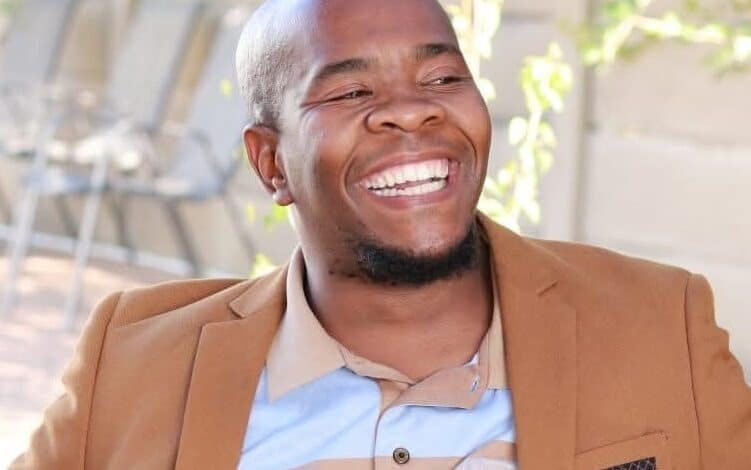
Lucky Tumahole is Disability Advocate and Political Writer, he writes here in his personal capacity.