Tent Travels: An overlooked Transkei gem
It was sad to see Hluleka Nature Reserve so under-used.
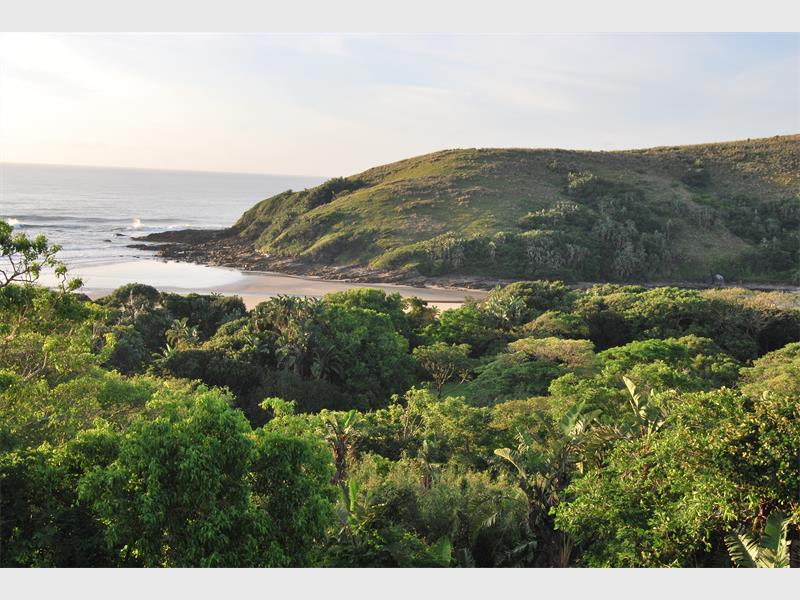
AT the best of times, rates for staying in the A-frame chalets at Hluleka Game Reserve are a steal.
When we contacted the Eastern Cape Parks and Tourism Agency booking office to ask about spending a long weekend at the reserve we were offered a half-price special. There were no camping facilities at the reserve but the offer made the accommodation incredibly affordable, even comparing the rates to those we would expect to pay for a camping weekend. We just couldn’t turn the offer down and immediately made our booking.
Hlukeka was one of those places we’d wanted to visit for quite some time as we’d heard a great deal about this little gem of a nature reserve, on the Transkei coast just south of Port St John’s. For quite a while the reserve had been closed for an extensive revamping of the accommodation, but when we eventually got there it was well worth the wait.
The reserve’s six self-catering chalets were gorgeously situated. Perched on a hill, almost hidden by the surrounding sub-tropical coastal vegetation, they all commanded awesome views of the sea and the pretty little green-fringed cove at their feet. As for the chalets, they were amazing. They had been completely refitted and stylishly and comfortably furnished. Each had two luxuriously furnished bedrooms – both with en suite bathrooms with luxurious, modern fittings. The attractive open plan lounge, kitchen and dining area, all tastefully furnished led out onto a private deck overlooking the beach. The kitchenette, kitted out with top-of-the-range appliances and equipment, was nothing short of a work of art.

Coupled with the million-dollar view, the chalets were absolutely five-star – all rented out at bargain basement prices!
Sadly, in spite of this, the other chalets are unoccupied. Apart from the friendly staff, we had the whole of this heavenly little reserve all to ourselves. From a selfish point of view it was fabulous, of course, but we also felt sad to see this gorgeous reserve so under-appreciated.
On our first morning there Bill and I woke up early. The view from our upstairs bedroom was magnificent and it would be a pity to sleep through this pearly start to the day. We made a pot of tea and took it out onto our deck. As the sun slipped over the horizon, bronzing the sea, we watched the waking birds and a parade of passing whales. Who could wish for a better start to a day.
As well as being such a beautiful wild, place, the reserve represents an interesting chapter in the wild and wondrous story that is the Transkei’s colourful history.
Originally a farm known as Strachan’s Grant, the property that is now Hluleka was granted to William Thomas Strachan by the local Pondo chief. Strachan lived in this area from about 1860 until he died in 1919, aged 70. His wife Selina (nee Owen) died in Mthatha in 1950, aged 97. A good friend and close associate of the Pondo people, Strachan was known locally as uBili. As he was also well respected by the local officials, including the magistrate, his opinions and advice were often sought and usually acted upon by the government and by the Pondo people. On various occasions he intervened in altercations, brokering peace between either government officials and the local people or between warring Pondo factions.

In 1927 the property was sold to a Johannesburg stockbroker, LG Heard. He and his wife, Mona, built the attractive stone house and other buildings near the reserve’s reception. Sadly, the homestead is rather run down now and is only partly used as office space, but it still offers magnificent views from both its front and back verandahs.
The Heards bred Afrikaner cattle, at some stage introducing a Hereford strain, but from all accounts this was a hobby rather than a business. They also built three camps near the homestead, to accommodate friends and family. Mona’s first love, though, was her rocky, steeply sloping garden and when her husband died she stayed on, spending most of her time tending it. When old age and faltering health eventually forced her to sell the property to the government, she insisted that it remain a wildlife sanctuary.

Her garden has all but disappeared beneath natural vegetation and the bamboo and alien invaders that have become a serious problem in parts of the reserve, but much of the undulating property is pristine forest or grassland. And we were glad to hear that plans were afoot to remove the aliens.
The weather was not very good during our long weekend in Hluleka so we spent some lazy hours indoors, reading and enjoying the view. The whale sightings from the chalet ere astounding. Every time we looked out to sea we were amazed at how many we could spot. Our deck was best for whale watching and we spent quite a bit of time there too, although the wind and the rain often chased us indoors.

In between the showers we went for long, muddy but glorious walks or shoreline strolls. The beach in front of the chalets, reached through a grassy picnic area, shaded by gnarled old milkwood trees, was a lovely place to be even when the temperature dropped. At low tide we dressed up warmly and clambered over a rocky outcrop to walk along the next beach in a secluded little bay that provided shelter from the wind.
One morning we walked up a steep hill and then downhill along a path through rolling grassland to an exquisite little pond. The pathway eventually took us back to the beach via a steep, rocky route that required some serious clambering. Although fairly long and challenging in places, it was a lovely walk, made even more enjoyable by all the grassland flowers that we frequently stopped to admire.
We also followed the course of the river from its mouth at ‘our beach’ to the bridge then back along the road to our chalet. There were plenty of signs of the many little creatures that call the river banks their home and the birding was good as well.
Although the reserve was not very big, there were some short, scenic drives that took us through sections of the natural forest and provided some excellent birding – when it wasn’t too windy. Best of all was the hilly drive that offered elevated views of steep, flower-filled grasslands rolling down to the rugged, rocky shores. Is there a coastline anywhere in the world quite so dramatic, so natural and so unsullied by human development as the Transkei’s wild shores?

One evening, we braved the elements to cook a potjie outdoors. We took shelter from the wind on the small back veranda while the potjie bubbled away. A herd of zebra kept us company. By nightfall the wind had dropped and the clouds had disappeared, so we dined on our deck beneath the velvety, star-studded sky. The pounding waves provided the background music.
On our last evening vehicles arrived and the visitors took occupancy of two of the chalets. However they told us they are only staying for one night. Perhaps the bumpy, dusty roads are keeping people away. Perhaps nature lovers just don’t know about this precious little gem. Whatever the reason, it was sad to see it so underutilised, especially when the Transkei area is so in need of a healthy tourism industry.
If bad roads don’t scare you, do give Hluleka a try.