The best ‘green’ guide to all-natural gardening
Help to fertilize and nourish your vegies and plants as well as kill those pesky bugs using products from your kitchen.
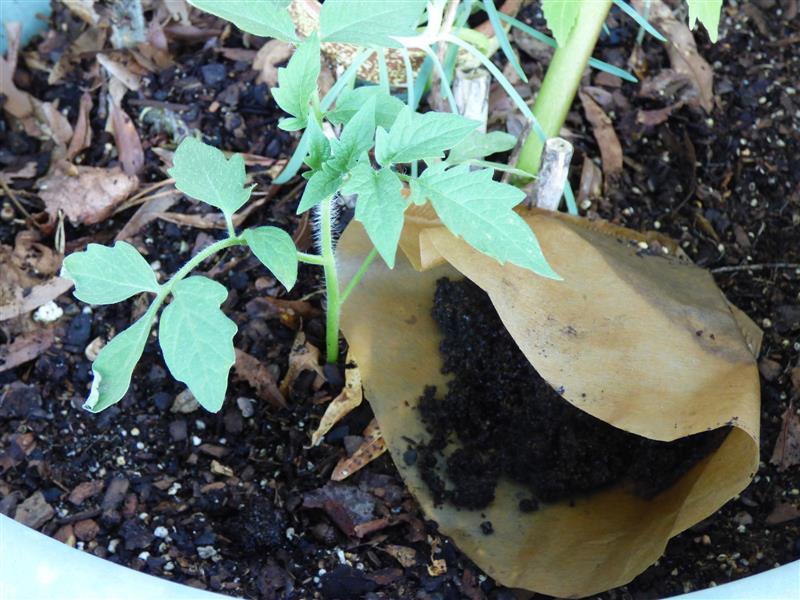
TEA LEAVES AND COFFEE GROUNDS
1. Leftover tea leaves and coffee grounds are perfect acid-loving plants such as azaleas, rhododendrons, camellias, roses and gardenias.
2. Beneficial to plant growth as a fertilizer which adds organic material to the soil, improves drainage, water retention, aerates the soil and also attracts earthworms.
3. Also adds nitrogen to your compost pile. Used coffee filters can be composted as well.
4. Other uses: Perfect as a mulch for plants; keeps slugs and snails away; use as worm food if you do vermicomposting with a worm bin. Worms are very fond of coffee grounds.
5. Make a liquid fertilizer by placing all your used tea leaves in a bucket and fill with water. Leave to steep. You’d be surprised at just how much much ‘tea’ is left in those bags.

EPSOM SALTS
This gives plants a boost of magnesium.
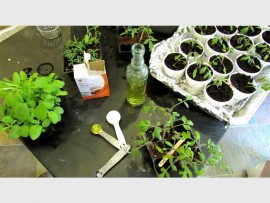
1. Mix one teaspoon epsom salts in 4 cups of warm water. Spray this on your plants, especially tomatoes and peppers.
2. Roses will produce more vibrant and fuller blooms and it helps to strengthen the plants.
3. Apply epsom salts to the soil around fruit trees which makes them stronger and gives you tastier fruit.

VEGETABLE SOUP FOR THE GARDEN
Next time you boil or steam vegetables (no salt), don’t pour the water down the drain.
Use it to water your potted patio plants and you’ll be amazed at how the plants respond.
HOW TO DRY HERBS EASILY
On a hot day, lay a sheet of newspaper on the seat of your car.
Arrange the herbs in a single layer, and cover with second piece of newspaper. Then roll up the windows and close the doors.
Your herbs will be quickly dried to perfection
What’s more, your car will smell great.
SAVE WATER
When rinsing your vegetables, put a bucket under the colander.
Instead of letting the water go down the drain, use this to water your plants.
EGG SHELLS
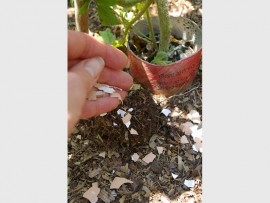
Crush the dry egg shells with a rolling pin.
1. Egg shells add calcium to the soil in your garden which is good especially for tomatoes or peppers as these plants are the most easily affected by calcium-deficiency.
2. If you have problems with slugs and snails in your garden, sprinkle crushed eggshells around the plants and the sharp edges will deter them.
3. Mother birds need more calcium in their diets. You can mix the eggshell crumbles with birdseed in an existing bird feeder. the bonus is, the birds will also be attracted to the insect pests that are damaging your plants.

VINEGAR
Did you know that you can use ordinary vinegar as an eco-friendly herbicide, fungicide and insecticide?
1. Ants: If you have an ant problem, apply full-strength vinegar to deter them and they will not come anywhere near the stuff. Reapply every couple of days to ensure they stay away.
2. Are your fruit trees invaded by fruit flies? Try this fruit flybait, which is deadly and effective.
Take 1 cup of water, a half a cup of cider vinegar, a quarter of a cup of sugar and 1 tablespoon of molasses. Mix it all together.
Take old tin cans without their lids and make two holes in opposite ends for wire handles. Attach the handles and add an inch of the mixture to each can. Hang 2 – 3 tins in each tree. Check on the traps on a regular basis to refill and clean when necessary.
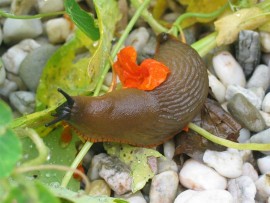
3. Use vinegar as an eco-friendly insecticide. Slugs are real pests because they eat vegetables, especially lettuces and plants. This acts as a poison to the slugs, if you spray slugs with it directly, they will die. You can treat snails in exactly the same way. (Before you kill them, also read about how slugs can actually benefit your garden.)
Warning: vinegar is also a herbicide, be careful where you spray it. Salvia, for example, will die if accidentally sprayed.
4. Vinegar increases the soil’s acidity especially for acid-living plants like azaleas, gardenias and rhododendrons.
**Add 1 cup of vinegar to 4 litres of tap water. This mixture will also release iron into the soil.
5. Are your chickens pecking each other? Add a tablespoon of cider vinegar to their drinking water, and they will stop!

SOME HOMEMADE WEED KILLERS AND PESTICIDES
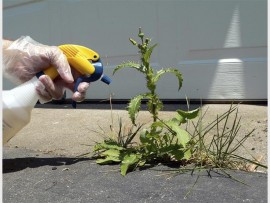
Warning: This solution can be harmful to grass and plants so be sure to only apply to the weeds. Useful for weeds in cracks or paving.
425 ml white vinegar
2 Tablespoons table salt
1 Drop dishwashing liquid
This works faster if you spray the weeds when in full sunlight.

BICARBONATE OF SODA
1. A non-toxic fungicide. Mix 4 teaspoons of Bicarb and 3.5 litres of water. Use on roses for black spot fungus and also on grapes and vines when fruit first begins to appear.
2. Use in the fridge to remove odours.
3. Pour bicarb into cracks to kill any small sprouting weeds and prevent new ones from growing.
4. Sprinkle near established tomato plants to make them sweeter.
5. Test your soil PH. Wet the soil and take a small amount of bicarb and sprinkle onto the soil. If it bubbles, your soil is acidic with a PH level under 5.
6. Kill cabbage worms. Mix equal parts of bicarb and flour and dust plants such as broccoli, cabbage and kale that are attractive to cabbage worms. The worms will eat the mixture on the leaves and die in a day or so. Repeat the process as often as needed.
7. Powdery mildew can cause major problems in gardens with high humidity. It affects many plants but zinnias, impatiens, squash and cucumbers are often badly affected.
Mix 1 tablespoon of bicarb with 3.5 litres of water and add 1 tablespoon of vegetable oil and 1 tablespoon of dishwashing liquid. Mix and put in a sprayer. Use weekly and preferably not when the sun is shining.
8. Discourage pests in the garden. Sprinkle bicarb on the soil in your garden. Ants, silver fish and cockroaches do not like it and will stay away. Kill slugs by putting it right on the pest. (don’t get it on the plants though.)
NOTE: BEFORE USING ANY HOMEMADE MIX:
You should always test it out on a small portion of the plant first to make sure that it will not harm the plant.
Also, avoid using any bleach-based soaps or detergents on plants since this can be harmful to them.
In addition, it is important that a home mixture never be applied to any plant on a hot or bright sunny day, as this will quickly lead to burning of the plant and it could die.

GARLIC
Garlic spray for garden pests
1. Crush four or five garlic cloves in a food processor, blender or with a mortar and pestle.
2. Add one litre of water and four or five drops of dishwashing soap, preferably a natural, biodegradable soap.
3. Strain the mixture twice through some cheesecloth to remove any bits of garlic that may clog the spray bottle.
4. Dilute this concentrate with 2 ½ cups of water, pour into a spray bottle or pressure sprayer.
Keep in mind that this natural pesticide won’t last forever. It is best to use it soon after making, as it will lose its potency over time.
Spray the plants once a week to protect against pests or twice a week after any rain. Don’t spray when you’re ready to harvest or the lettuce could taste garlicky.
NOTE: Garlic spray is a broad spectrum pesticide, so only spray the parts of the plants that are infested so you lessen the risk of harming any beneficial insects.
NATURAL VEGETABLE PESTICIDE
You will need:
** Equipment: 1 litre jug, a spray bottle, a funnel, a piece of cloth such as a shirt or bandanna and a pot .
Ingredients: 1 litre of water, 2 small onions, a hot red chillie, a clove of garlic, some dish soap.
1. Warm the water in a pot.
2. Chop the 2 onions roughly with the garlic and chillie with the seeds. Blitz in a blender until a paste.
3. Add paste to the warm water, stir and let it ‘steep’.
4. Strain through cloth and it is ready to spray on your plants.
5. The strained vegetables can then be placed in the compost.
MAKE A WATER BOTTLE RESERVOIR
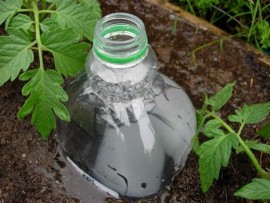
Take a plastic cooldrink bottle.
You can either cut off the bottom or leave the bottle whole and puncture a few small holes in it.
Dig a hole next to a new sprout and insert the bottle into the ground, leaving the top a little above the level of the soil.
Keep this ‘reservoir’ filled with water and it will keep the soil moist, especially now with the current drought.

Happy gardening the natural way.
Look out for the next article on how insects and slugs can actually benefit your garden.